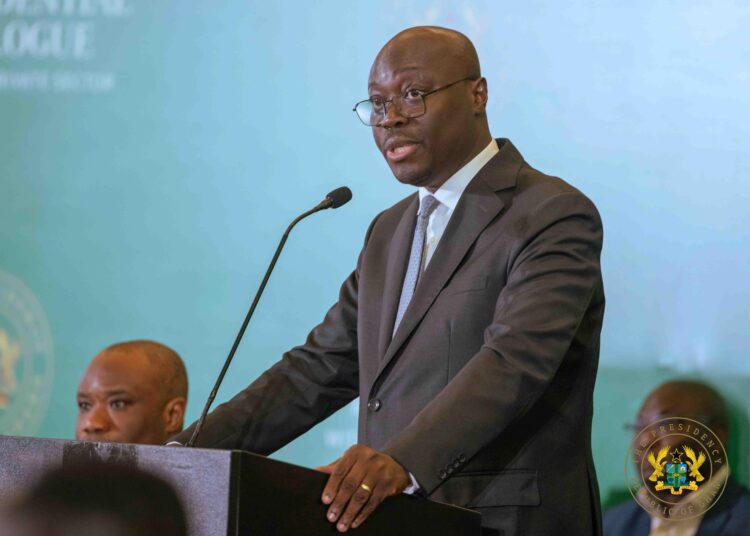
Finance Minister Dr. Cassiel Ato Forson has delivered a stark assessment of Ghana’s public finances, warning that the country’s rising wage bill has reached unsustainable levels, forcing the government to borrow heavily to meet salary obligations.
Speaking at the Presidential Dialogue with Organised Labour, the Minister said mounting compensation costs are placing severe pressure on the national budget and limiting the government’s ability to fund essential services and development projects.
He acknowledged the importance of protecting workers’ rights but stressed that current fiscal realities demand urgent reforms to restore balance. According to him, labour related expenditure remains one of the most pressing threats to Ghana’s economic stability.
“Labour-related fiscal pressures remain one of the most significant challenges facing our economy. Expansion of the public sector workforce, combined with periodic reviews in pay for public institutions, are key driver of increases in the compensation budget. It has the propensity to derail Ghana’s economic progress”.
Finance Minister Dr. Cassiel Ato Forson
Wage Bill Crowding Out Development Spending
Dr Forson revealed that employee compensation now accounts for 39 percent of total government expenditure, while debt servicing consumes 32 percent and transfers to other government units take 29 percent. This leaves limited fiscal space for core government functions.
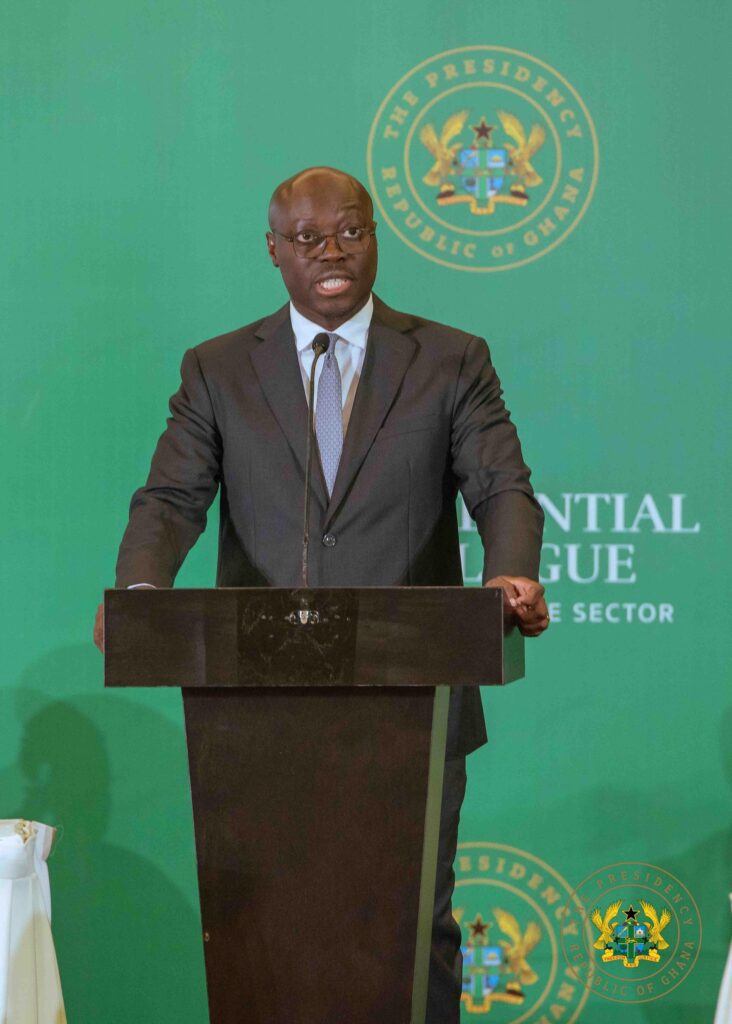
He noted that spending on goods and services stands at just 3 percent, while capital expenditure is only 6 percent. Social benefits account for a marginal 1 percent, highlighting what he described as a severe imbalance in public spending priorities.
“The crowding effect of compensation means that whilst we spend 39 percent of our budget on compensation, only 3 percent is used for goods and services. Capital expenditure represents only 6 percent. Social benefits are just 1 percent”.
Finance Minister Dr. Cassiel Ato Forson
Providing further context, the Finance Minister indicated that Ghana’s compensation to tax revenue ratio has exceeded regional benchmarks set by the ECOWAS.
At the end of 2025, compensation accounted for 44 percent of non oil tax revenue, well above the ECOWAS threshold of 35 percent. It also represented 5.64 percent of GDP and 33.78 percent of total government expenditure.
“Ghana’s compensation to tax revenue ratio of 44 percent is higher than the ECOWAS threshold of 35 percent. This signals deep structural challenges in how we manage public sector wages”.
Finance Minister Dr. Cassiel Ato Forson
Borrowing to Bridge the Gap
The most striking revelation from the Minister’s presentation was the extent to which government had to rely on borrowing to meet its wage obligations.
He explained that Ghana recorded non oil tax revenue of GH¢183 billion in 2025. Out of this, GH¢55.7 billion was allocated to statutory funds, including the District Assemblies Common Fund, GETFund, and the National Health Insurance Levy, while GH¢64.3 billion went into debt servicing.
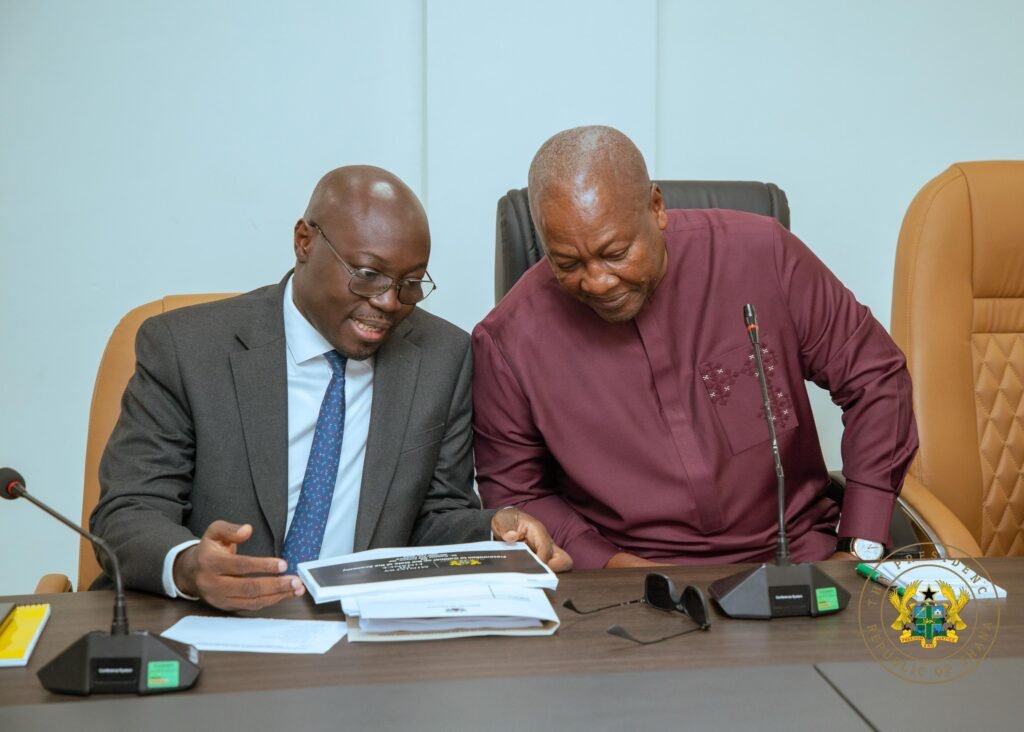
This left GH¢61.9 billion available for compensation, goods and services, and capital expenditure. However, the total compensation bill stood at GH¢78.9 billion.
“This means that what was left after statutory payments and debt service was not enough to pay workers. Government had to borrow GH¢17 billion to augment the compensation bill. Simply put, we borrowed to pay Ghanaian workers”.
Finance Minister Dr. Cassiel Ato Forson
The Minister also pointed to structural inefficiencies within the public sector wage system, citing the proliferation of institution specific pay arrangements as a major concern.
He observed that many public institutions are seeking parliamentary approval for separate pay structures, often through legislative instruments that grant enhanced conditions of service.
Some of these arrangements, he argued, are inconsistent with existing legal frameworks, including the 1992 Constitution and the Public Financial Management Act.
“These enactments create chaos and inequalities in pay administration. They are inconsistent with each other and with the framework established by the Fair Wages and Salaries Commission”.
Finance Minister Dr. Cassiel Ato Forson
Rising Cost of Wage Reviews
Dr Forson highlighted the financial impact of recent wage adjustments, noting that conditions of service reviews have significantly increased the compensation bill over the past two years.
In 2024, such reviews added GH¢2.4 billion, with the Ministry of Education accounting for a large share. In 2025, the impact was even more pronounced, with an additional GH¢6 billion added to the wage bill.
He noted that the Ministry of Interior alone accounted for GH¢5.7 billion of the increase, partly due to recruitment and policy decisions made prior to the elections. Looking ahead, proposals currently under review by the Fair Wages and Salaries Commission could add a further GH¢7.4 billion to the wage bill if approved.
Base Pay Agreement Remains in Force
Despite the fiscal pressures, the Finance Minister Dr Cassiel Ato Forson, confirmed that the government will honour its agreement with Organised Labour on base pay adjustments.
The November 2025 agreement provides for a 9 percent increase in base pay on the Single Spine Salary Structure for 2026. He noted that discussions on conditions of service are ongoing, with the Fair Wages and Salaries Commission leading negotiations.
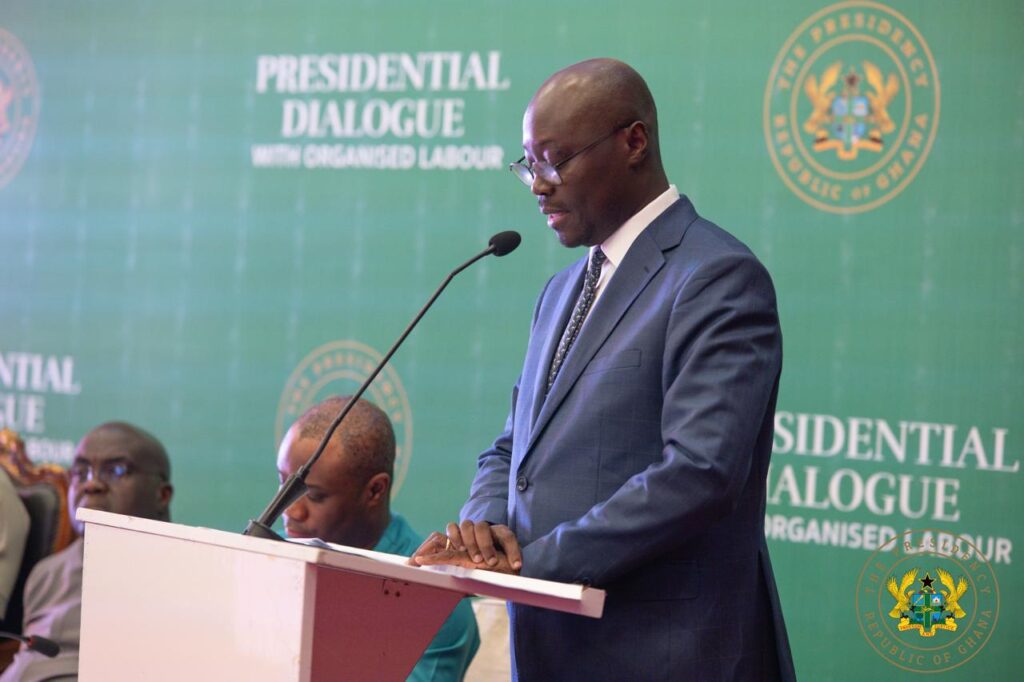
“The government remains committed to engaging with unions on outstanding issues while ensuring that recruitment into the public service is done within budget constraints”.
Finance Minister Dr. Cassiel Ato Forson
Dr Forson concluded by reiterating the need for a careful balance between protecting workers’ welfare and maintaining fiscal discipline. He emphasized that without reforms, the current trajectory of public sector compensation could undermine broader economic stability.
The ongoing dialogue between government and Organised Labour is expected to focus on finding sustainable solutions that address wage concerns while preserving the country’s fiscal health.
As discussions continue, the challenge remains how to reconcile rising expectations within the public sector with the realities of a constrained national budget.
READ ALSO: BoG Signals Fresh Policy Rate Cut Against Intensifying Global Uncertainties