

President John Dramani Mahama has announced plans to establish an independent emoluments commission to reform Ghana’s public sector pay system, describing the initiative as a decisive step toward fairness, transparency, and long-term fiscal discipline.
Speaking at the Presidential Dialogue with Organised Labour at the Jubilee House, the President said the new framework is central to his government’s Reset Agenda and will address deep-rooted structural challenges that have long plagued public sector compensation.
He noted that the welfare, dignity, and productivity of Ghanaian workers remain at the heart of national development, emphasizing that strong collaboration between government and organised labour is essential to achieving sustainable progress.
President Mahama acknowledged that Ghana’s public sector remuneration system has for years been marked by disparities, recurring disputes, and tensions between fairness and fiscal sustainability. These issues, he said, have placed a heavy burden on the country’s finances while straining relations between labour and government.
“Leaders of Organised Labour, for many years, Ghana has faced ongoing disparities in public sector pay, repeated labour disputes, and a remuneration system that often struggles to balance fairness to workers with the country’s financial realities.”
President of Ghana, HE John Dramani Mahama
According to the President, the time has come for bold structural changes that will fundamentally transform how public sector pay is determined and administered.

Transition from Fair Wages Commission
As part of this reform, the government has designated 2026 as a transition year from the Fair Wages and Salaries Commission to a new Independent Emoluments Commission.
The President clarified that the reform will build on existing institutional strengths rather than dismantle them. He explained that the Fair Wages and Salaries Commission will be strengthened and repositioned to serve as the technical foundation of the new system.
This transition is expected to enhance professionalism, independence, and credibility in the management of public sector compensation, ensuring that decisions are guided by clear rules and objective data.
A Transparent and Evidence Driven Framework
Under the proposed Independent Emolument Commission, President Mahama noted that salaries and benefits will be determined through a transparent, rule-based, and evidence-driven process.
The framework will consider productivity, labour market conditions, fiscal sustainability, and national development priorities. President Mahama said this approach will help eliminate arbitrary and fragmented pay decisions while promoting equity across public institutions.
“Our goal is to move away from fragmented and ad hoc decisions towards a system that is fair to workers, responsible to taxpayers, and sustainable for future generations”.
President of Ghana, HE John Dramani Mahama
The reform also seeks to rationalise allowances and strengthen the link between pay and performance, ensuring that compensation reflects actual contributions to national development.

Phased Implementation with Labour Engagement
The President assured organised labour that the transition will be implemented in phases and in close consultation with stakeholders. He emphasized that labour unions will play a key role in shaping the new framework, ensuring that their concerns are adequately addressed.
As an initial step, the legislative framework for the commission will cover public sector institutions, agencies, and state owned enterprises, with a differentiated approach that reflects their operational realities.
He added that the inclusion of Article 71 officeholders will require constitutional amendments before being brought under the new system. Once completed, the commission is expected to evolve into a constitutional authority responsible for determining the emoluments of all public officeholders.
Strategic Pause on Wage Renegotiations
In the interim, President Mahama announced that 2026 will not see a full scale renegotiation of conditions of service across the public sector. Instead, the government will implement targeted and modest adjustments to specific allowances.
He described this decision as a strategic move to preserve macroeconomic stability while creating the space needed to establish a credible and sustainable compensation framework.
“This is not a withdrawal from engagement with labour. It is a strategic pause to address the structural foundations of our compensation system,” he explained. The approach reflects the government’s effort to balance the immediate needs of workers with the long term sustainability of public finances.
As part of the reform process, the independent emoluments commission will develop a comprehensive national emoluments policy to guide public sector pay.
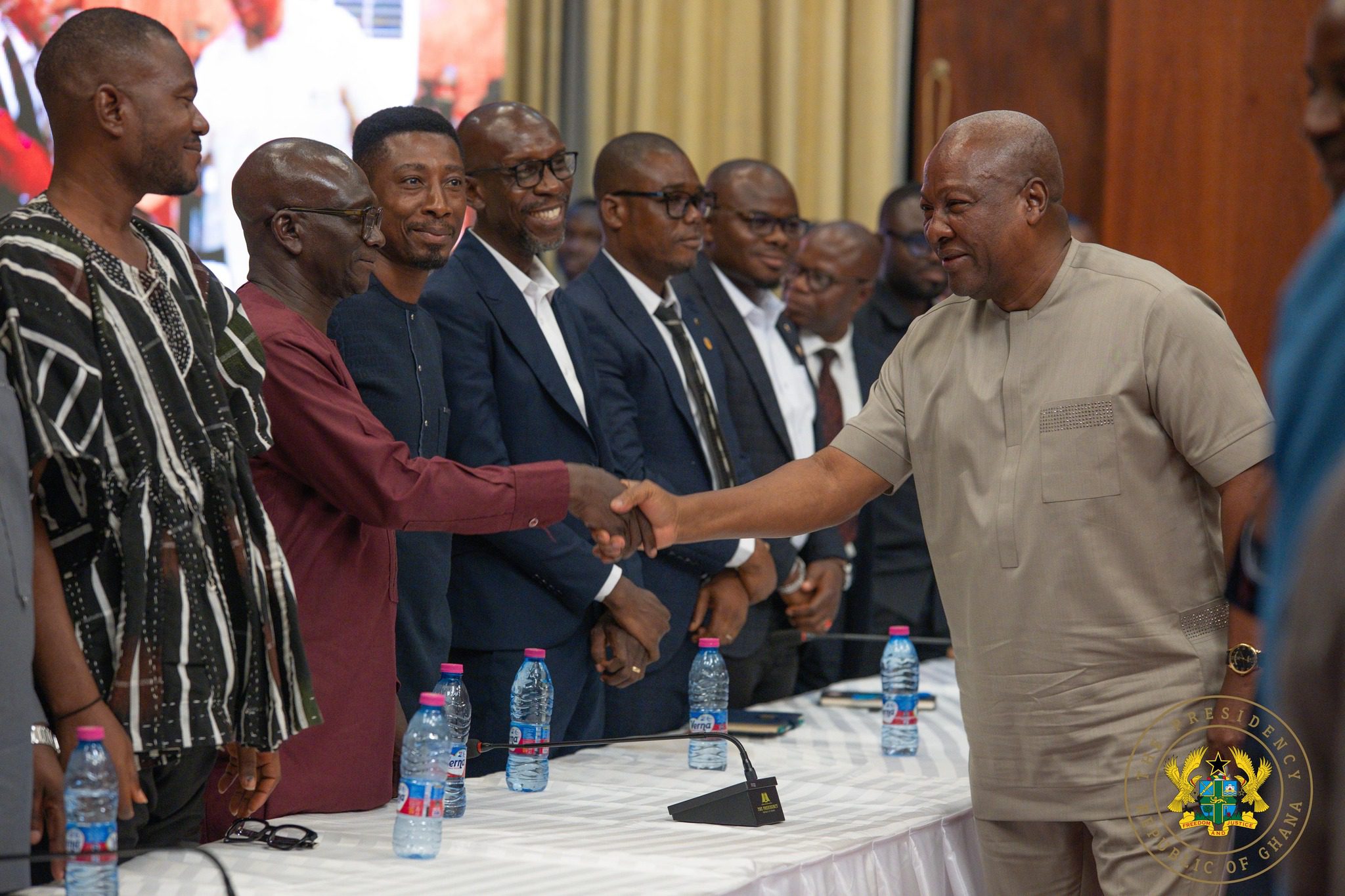
According to the President, the policy will focus on harmonising allowances, addressing pay disparities, strengthening performance based compensation, and aligning remuneration with Ghana’s long term development goals.
The aim is to create a system where compensation is not only fair but also supports productivity and national growth. “Ultimately, we seek a system in which rewards are aligned with productivity, fairness, and national development goals,” President Mahama stated.
Resetting Ghana’s Compensation Framework
The introduction of an independent emoluments commission represents a significant shift in Ghana’s approach to managing public sector pay. By institutionalizing a transparent and rules based system, the government aims to restore confidence in the remuneration framework while ensuring it remains responsive to both economic realities and worker expectations.
The ongoing dialogue with organised labour is expected to shape the final design and implementation of the reform. Its success will depend on sustained collaboration between government and stakeholders to build a system that is equitable, efficient, and sustainable.
As Ghana moves forward with this initiative, the proposed commission is being positioned as a cornerstone of broader efforts to reset governance and strengthen economic management.
READ ALSO: Cabinet-Ready Agribusiness Policy Unveiled at Agrotech Fair