President John Dramani Mahama has defended his administration’s Reset Agenda, insisting it is a concrete reform programme aimed at addressing deep rooted structural challenges in Ghana’s economy rather than a rhetorical political message.
The President outlined his vision for a reformed economic framework that supports fair rewards for hard work while ensuring long term sustainability. He reiterated the need for a transparent remuneration system and a strengthened pension framework that guarantees dignity in retirement.
He noted that these reforms are part of a broader effort to align economic policy with national development goals, ensuring that growth translates into improved living standards for citizens. President Mahama reaffirmed that the Reset Ghana Agenda represents a genuine commitment to national transformation.
“The reset agenda is not just a slogan. It is a commitment to fix what is broken, a commitment to build what is sustainable, and a commitment to ensure that every Ghanaian worker is treated with fairness and dignity”.
President of Ghana, HE John Dramani Mahama
He added that the success of the initiative will depend on collective effort, responsible policymaking, and sustained engagement between government and stakeholders.
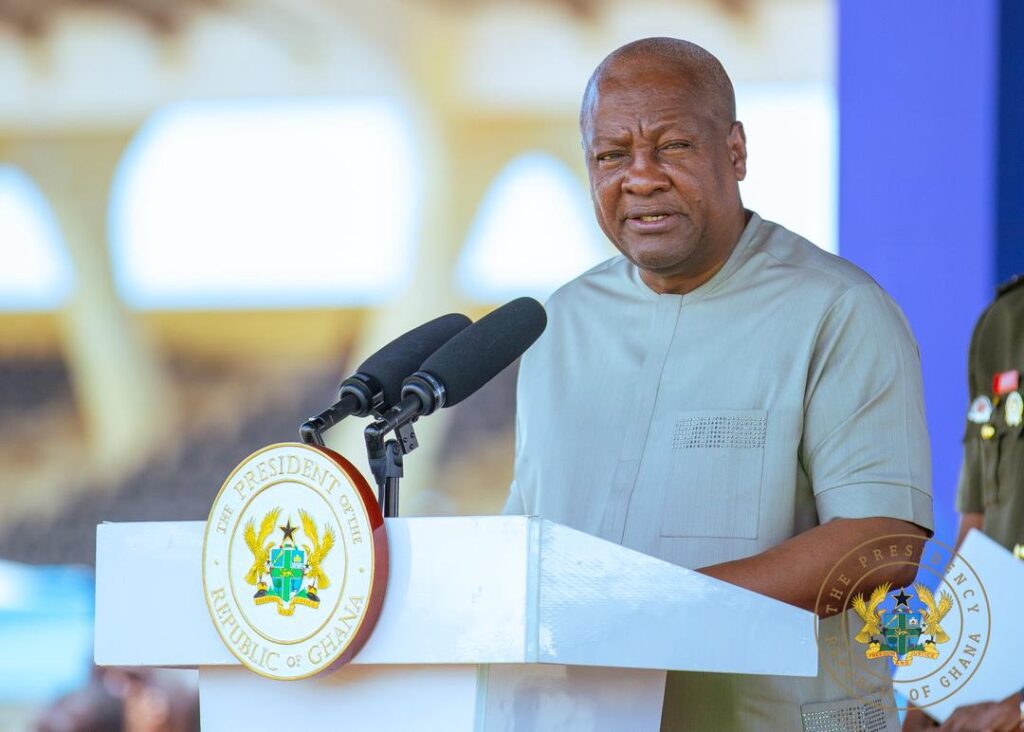
Confronting Fiscal Risks
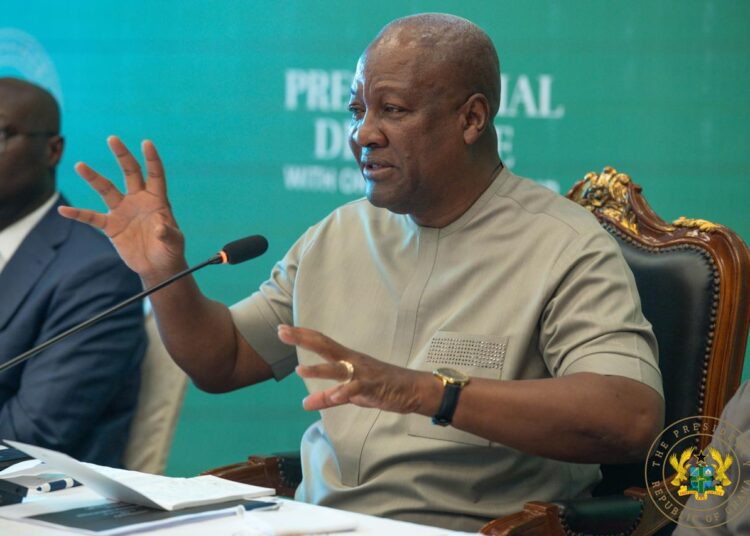
Speaking at the Presidential Dialogue with Organised Labour at the Jubilee House, the President underscored the need to confront the country’s fiscal realities as part of efforts to improve wages, pensions, and overall worker welfare.
He explained that meaningful progress in public sector compensation cannot be achieved without addressing broader economic inefficiencies, particularly those affecting key sectors such as energy.
President Mahama identified the energy sector as a major source of financial strain, revealing that Ghana has spent more than 8 billion dollars over the past nine years to address persistent shortfalls within the sector.
He added that in 2025 alone, the government paid approximately 1.57 billion dollars to clear legacy debts, highlighting the scale of fiscal pressures linked to energy sector inefficiencies.
“Over the past nine years, Ghana has spent more than 8 billion dollars to address financial shortfalls only in the energy sector. Meanwhile, inefficiencies, especially in revenue collection at the billing and metering stage, continue to undermine the whole energy sector.”
President of Ghana, HE John Dramani Mahama
According to the President, these inefficiencies have had direct consequences for the broader economy, limiting the government’s ability to improve wages, enhance working conditions, and expand social protection programmes.
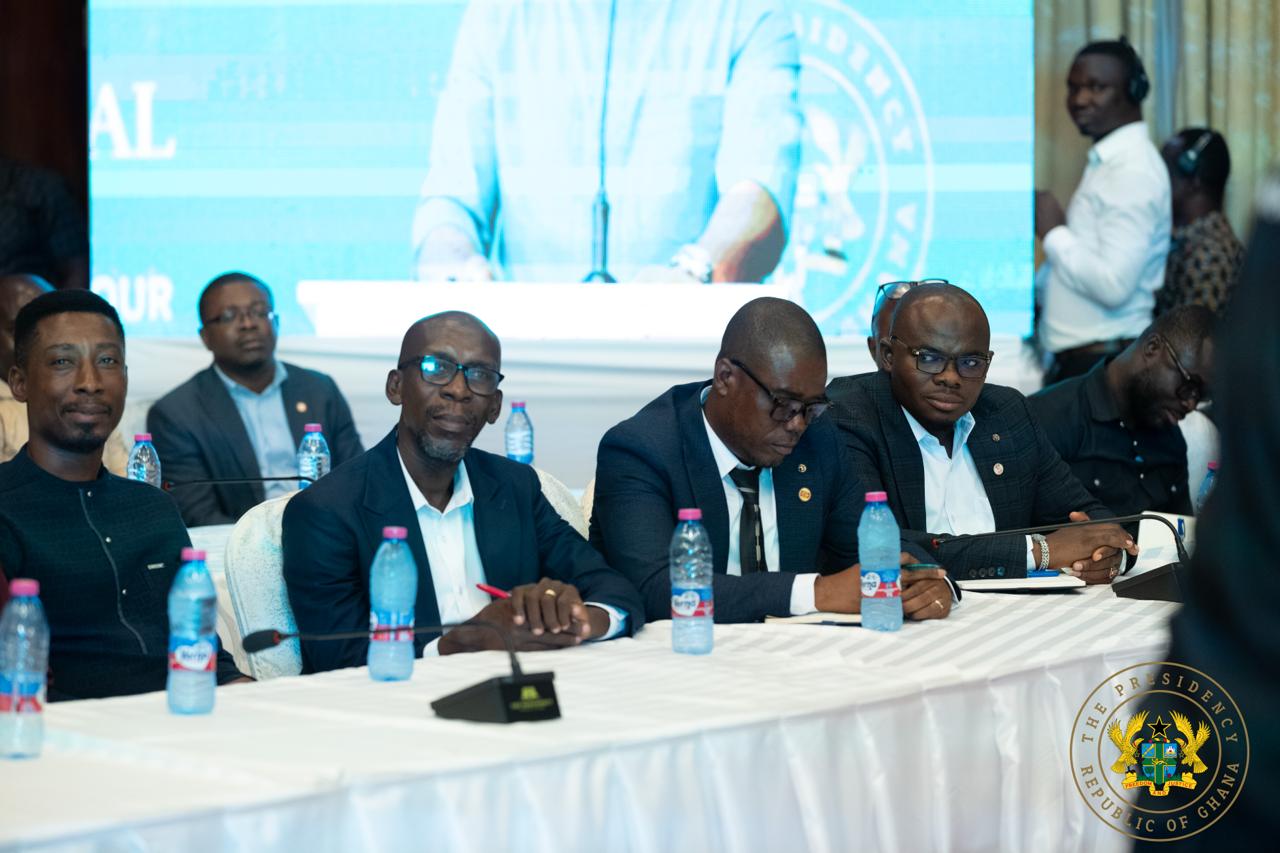
Reforming Inefficiencies to Unlock Resources
To address these challenges, President Mahama said the government is intensifying reforms aimed at restoring discipline and eliminating inefficiencies within the energy sector. He emphasized that particular focus is being placed on the last mile distribution segment, where revenue leakages are most prevalent.
“These losses directly impact the economy’s ability to improve wages, enhance working conditions, and expand social protection,” he noted. The President explained that by tackling inefficiencies and improving revenue collection, the government aims to free up resources that can be redirected toward national development priorities, including better compensation for workers.
President Mahama stressed that the Reset Agenda is closely tied to improving the welfare of Ghanaian workers, noting that economic reforms are essential to creating sustainable conditions for fair wages and secure pensions.
He pointed out that the current system has often led to recurring tensions between government and organised labour, driven by limited fiscal space and competing demands. According to him, a more balanced and sustainable framework is needed to address these challenges.
“This reform is not designed against labour. It is designed with labour and for the long term stability of Ghana’s public sector compensation system”.
President of Ghana, HE John Dramani Mahama
A Defining Moment for Reform
Describing the current period as a critical turning point, the President said Ghana faces a choice between maintaining an unsustainable system or embracing comprehensive reforms that ensure long term stability.
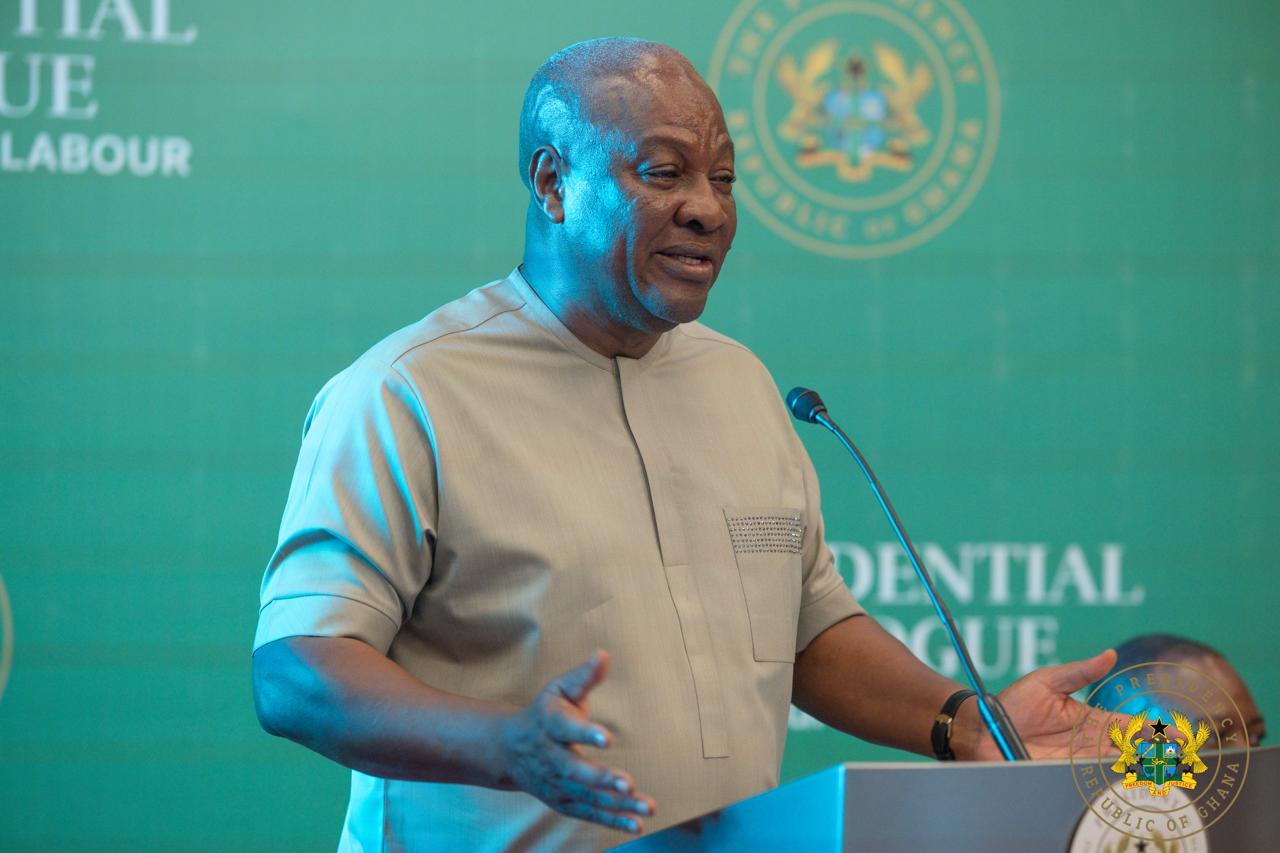
“We stand at a defining moment. We can either continue with a system that causes periodic tensions and unsustainable outcomes, or we can work together to build a modern, fair, and resilient framework”.
President of Ghana, HE John Dramani Mahama
He called on organised labour to partner with government in shaping a new institutional architecture that promotes fairness, transparency, and efficiency.
President Mahama emphasized the importance of continued engagement with organised labour, describing the dialogue as an opportunity to build consensus on key reforms affecting public sector compensation and economic management.
“I invite you to join the government in shaping this new institutional architecture,” he stated, adding that collaboration is essential to achieving sustainable outcomes.
President Mahama expressed confidence that through constructive dialogue, stakeholders can develop policies that balance worker interests with fiscal responsibility.
As Ghana navigates ongoing economic challenges, the government’s focus on structural reforms signals a shift toward long term solutions aimed at strengthening fiscal stability and improving worker welfare.
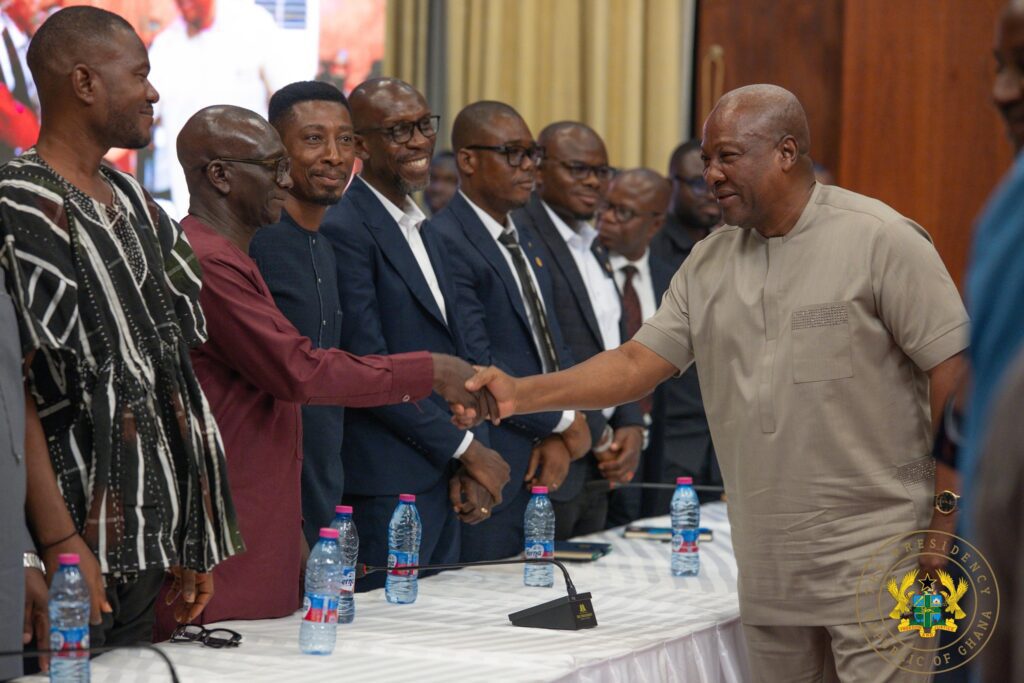
The emphasis on addressing inefficiencies in the energy sector highlights the interconnected nature of economic management and social outcomes. By linking reform efforts to tangible improvements in wages and working conditions, the administration is seeking to build a more resilient and equitable economy.
The ongoing dialogue with organised labour is expected to play a key role in shaping the direction of these reforms, with stakeholders working together to ensure that the Reset Agenda delivers meaningful and lasting impact.
READ ALSO: James Gardiner Announces GH₵20m Film Fund