Ghana’s film industry is set for a significant lift following a major funding announcement that has excited filmmakers, producers, and creative entrepreneurs across the country.
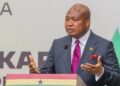
The Deputy Chief Executive Officer of the National Film Authority, James Gardiner, has revealed that government has allocated GH₵20 million to the Film Development Fund, a move widely seen as a turning point for the sector.
For years, industry players have called for stronger institutional backing to help Ghanaian films compete globally. Limited funding, distribution bottlenecks, and inadequate production infrastructure have slowed growth despite the abundance of local talent. This new allocation signals renewed national attention and a serious commitment to transforming the creative space into a thriving economic engine.
Fund to Become Operational in 2026
According to Gardiner, the Film Development Fund is scheduled to become operational in the second quarter of 2026. While the announcement sets the stage, the operational phase will mark the moment when filmmakers can begin to access the much needed financial support.
He explained that the timeline allows stakeholders to properly structure the fund, establish transparent disbursement systems, and design implementation strategies that ensure the money delivers real impact. Industry watchers believe that careful planning will be critical to prevent bureaucratic delays and ensure fair access for creatives across the country.
“The Ministry of Finance has allocated 20 million to the film development fund, which is scheduled to be operationalised in the second quarter of 2026,” Gardiner stated.
His remarks offered clarity and reassurance, particularly to young filmmakers and production houses who have long struggled to finance quality projects.
More Than Just Film Production
While many initially assume the fund will focus only on movie production, Gardiner emphasized that its scope goes far beyond cameras and film sets. The initiative is designed as a strategic tool to stimulate growth across the entire film value chain.
This includes capacity building, skills training, distribution systems, and improved access to both local and international markets. By addressing gaps across the ecosystem, the fund aims to create sustainable opportunities rather than one time financial relief.
Industry analysts say this holistic approach could help Ghana build a stronger film structure similar to globally competitive markets where training institutions, marketing channels, and digital distribution platforms work together to support creatives.
For many stakeholders, this broader vision is just as important as the funding itself. A strong foundation ensures that investments translate into long term industry expansion.
A Strategic Step Toward Industry Repositioning
Mr. Gardiner described the fund as a bold and deliberate step toward repositioning Ghana’s film industry. Beyond entertainment, he noted that film holds enormous economic and cultural value. From job creation and tourism promotion to international storytelling influence, cinema remains one of the most powerful creative industries in the world.
Ghana’s stories, languages, fashion, and heritage offer rich material for global audiences. However, without adequate financing and structured industry support, many of these stories remain untold or underproduced.
The new fund aims to change that narrative by unlocking the sector’s economic and creative potential. By empowering producers, directors, editors, animators, and distributors, the initiative could spark a new wave of high quality Ghanaian content.
Announcement Made at Major Creative Gathering
Gardiner made the announcement while speaking at the Filmmakers Summit held as part of the Ashanti Festival ’26 in Kumasi. The setting added symbolic weight to the message, as the festival celebrates Ghanaian culture, heritage, and creative expression.
The summit brought together filmmakers, investors, policymakers, and creative entrepreneurs, making it an ideal platform to unveil a policy direction of such national importance.
Participants at the event welcomed the news with optimism, describing it as long overdue. Many expressed hope that the fund would revive local productions, strengthen cinema infrastructure, and help Ghanaian films secure stronger international presence.
Government Commitment to the Creative Arts
The allocation by the Ministry of Finance reflects growing recognition of the creative arts as a serious economic sector rather than a fringe cultural activity. Around the world, film industries contribute billions to national economies, and Ghana appears ready to position itself within that global value chain.
Government backing also sends a strong signal to private investors and international partners that the sector is gaining policy attention and institutional support.
For young creatives especially, the announcement brings renewed hope. Many see it as validation that their craft matters and that their industry has a future backed by national policy.
As anticipation builds toward the 2026 rollout, expectations remain high. Filmmakers are eager to see transparent guidelines, inclusive access, and efficient management of the fund.
READ ALSO: BoG Signals Fresh Policy Rate Cut Against Intensifying Global Uncertainties