
A leading public health expert has raised alarm over increasing global interest in Africa’s health data, warning that Ghana and other African countries must take urgent steps to protect their strategic interests.
Dr Kwame Asiedu Sarpong, a fellow in public health at the Ghana Center for Democratic Development, argued that the competition for African data represents a new phase of external influence, particularly within the health and pharmaceutical sectors.
The renowned pharmacist maintained that the issue goes beyond routine partnerships and touches on deeper questions of sovereignty and long-term value. Dr Sarpong explained that Africa’s demographic trends are making the continent increasingly attractive to global pharmaceutical players.
“With a low median age, a rapid rise in the continent’s chronic disease burden, and an expanding middle class, the pharmaceutical market of the continent is set to expand rapidly.”
Dr Kwame Asiedu Sarpong
He noted that the limited availability of data on African populations in global research has created a strong incentive for foreign institutions to seek access to such information. This, he suggested, is shaping international health strategies that now place greater emphasis on engagement with African countries.
Data at the Core of Future Medicine
According to the expert, modern healthcare is becoming increasingly data driven, with advances in personalised medicine, genetic research, and targeted therapies relying heavily on detailed biological and clinical information.

He pointed to ongoing developments such as gene-based cancer treatments, customised drug prescriptions based on individual genetic profiles, and emerging technologies aimed at addressing inherited diseases.
These innovations, he explained, depend on access to large and diverse datasets, making African populations particularly valuable in global research efforts.
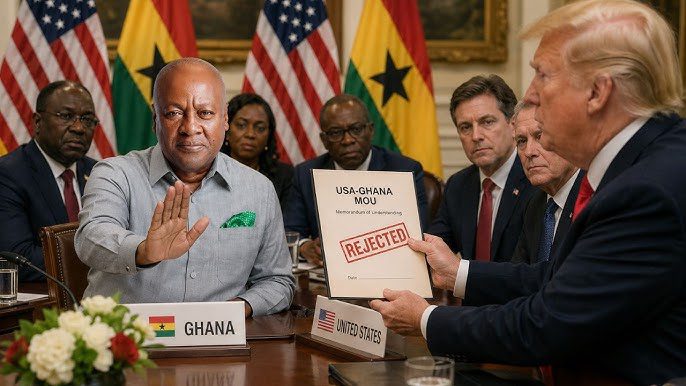
The warning comes against the backdrop of Ghana’s reported rejection of a 109 million dollar bilateral health aid agreement with the United States. The decision was influenced by concerns over provisions that would have granted long term access to sensitive personal health data.
Sources indicate that the agreement covered data from individuals participating in programmes related to diseases such as HIV, malaria, and tuberculosis. Ghanaian officials reportedly viewed these requirements as inconsistent with national laws on data protection and public health, as well as a potential risk to national security.
Concerns Over Valuation of Data
Dr Sarpong also questioned the financial value attached to the proposed agreement, arguing that the compensation did not reflect the true worth of the data being requested.
When broken down, the amount offered translates to a relatively small figure per citizen annually, a point he believes underscores the imbalance in such negotiations.
He suggested that African countries risk undervaluing critical resources if decisions are based solely on immediate financial incentives without considering long-term implications.
The public health expert is urging governments across the continent to adopt a more strategic and forward looking approach when negotiating international agreements involving sensitive data.
He emphasised that health data should be treated as a national asset with both economic and security significance. In his view, policymakers must carefully evaluate the broader consequences of granting access to such information, particularly in a global environment where data is increasingly linked to power and innovation.
Lessons from Historical Patterns
Drawing parallels with past experiences, Dr Sarpong highlighted how Africa has historically lost value through external exploitation of its human and natural resources. He argued that the continent must avoid repeating similar patterns in the digital and data-driven era.
Rather than reacting after agreements are finalised, he advocated for preventive measures that ensure stronger control and ownership of national resources from the outset.
Ghana’s stance reflects a broader shift across parts of Africa, where governments are becoming more cautious about agreements involving data sharing. Countries such as Zimbabwe and Zambia have reportedly declined similar proposals, citing concerns over privacy and sovereignty.
In Kenya, a related agreement has faced legal challenges and has been suspended by a court, further highlighting growing sensitivity around the issue.
Analysts interpret these developments as evidence of increasing awareness among African nations of the strategic importance of data in global economic and technological competition.
Negotiations Marked by Tension
Reports suggest that discussions between Ghana and the United States began in late 2025 but became increasingly strained as the deadline approached in April 2026. Sources describe the process as difficult, with heightened pressure to conclude the agreement.
The deal was part of a broader shift in United States health policy toward bilateral arrangements that incorporate data-sharing and co-investment elements, replacing more traditional multilateral aid frameworks.

The situation highlights the complex challenge facing developing countries as they seek to balance the benefits of international support with the need to safeguard national interests.
While foreign assistance can strengthen healthcare systems and provide critical resources, experts warn that agreements involving sensitive data must be approached with caution and clear long term vision.
Dr Sarpong’s analysis reinforces the need for Ghana and other African nations to treat health data not just as a tool for research, but as a strategic resource that can shape future economic and scientific development.
READ ALSO: Trump Weighs Troop Cut in Germany