
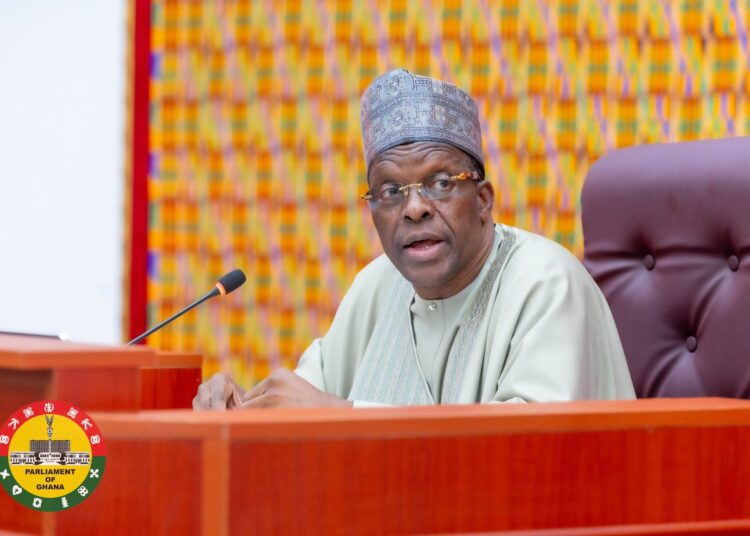
Parliament has passed the Security and Intelligence Agencies Bill, 2025, introducing sweeping reforms to Ghana’s national security architecture and redefining how intelligence and security operations are coordinated across the country.
The legislation, which replaces the existing legal framework established under the Security and Intelligence Agencies Act, 2020, marks a significant institutional shift aimed at improving efficiency, coordination, and oversight within the sector.
The newly passed law provides a comprehensive structure for the functioning of the National Security Council and formally establishes Regional and District Security Councils to strengthen decentralized security coordination. It also outlines the roles of key state agencies responsible for implementing government policies on both internal and external security matters.
Presenting the rationale for the bill on the floor of Parliament, the Minister for the Interior, Hon. Mohammed Mubarak Muntaka, emphasized that the legislation seeks to address longstanding gaps in coordination and policy implementation.
According to him, the bill is designed to ensure that national security operations are guided by a clear legal framework that supports effective governance and timely response to emerging threats.
Reintroduction of BNI and Institutional Realignment
One of the most notable provisions of the bill is the renaming of the National Investigations Bureau back to the Bureau of National Intelligence. The change is intended to eliminate public confusion arising from the similarity between the agency’s previous name and that of a financial institution.
The restoration of the Bureau of National Intelligence designation reflects an effort to maintain institutional clarity and historical continuity within Ghana’s intelligence community.
In addition to the renaming, the bill abolishes the position of Minister for National Security. Under the new framework, the President will designate a minister to oversee the National Security Coordinator, who becomes the central figure in coordinating the activities of all security and intelligence agencies.
The establishment of the Office of the National Security Coordinator is a cornerstone of the reform. This office is tasked with harmonizing intelligence gathering, analysis, and operational responses across various agencies. The aim is to reduce duplication, enhance information sharing, and ensure a unified approach to national security challenges.
Centralized Coordination and Reporting Structure
The bill introduces a revised reporting structure that places the National Security Coordinator at the center of Ghana’s intelligence operations. Under this arrangement, the National Security Council, chaired by the President, will engage directly with the Coordinator as well as heads of intelligence agencies.
Chairperson of the Parliamentary Select Committee on Security and Intelligence, Hon. Zanetor Agyeman Rawlings, explained that the policy direction behind the reform is to create a more coherent and responsive security system.
She noted that the National Security Coordinator will serve as the principal authority responsible for aligning the activities of various agencies with national priorities.

This centralized coordination model is expected to improve decision making and operational efficiency, particularly in addressing complex and evolving security threats. By streamlining communication channels and clarifying institutional roles, the government aims to strengthen Ghana’s overall security posture.
Decentralization Through Regional and District Councils
Beyond central coordination, the bill also emphasizes the importance of localized security structures. The formal recognition of Regional and District Security Councils is intended to enhance grassroots level engagement and responsiveness.
These councils will play a critical role in identifying and addressing security concerns within their respective jurisdictions. By bringing security governance closer to communities, the new framework seeks to improve early warning systems and foster collaboration between local authorities and national agencies.
Officials believe that this decentralized approach will not only strengthen national security but also build public trust by ensuring that security measures are responsive to local needs and realities.
Debate and Concerns Over Concentration of Power
Despite its stated objectives, the bill has generated significant debate within Parliament, particularly from the Minority Caucus. Critics have raised concerns about the potential concentration of power in the Office of the National Security Coordinator.
Some lawmakers argue that the new structure could weaken parliamentary oversight and create risks related to accountability. They caution that centralizing authority in a single coordinating office may lead to excessive control over intelligence operations without adequate checks and balances.
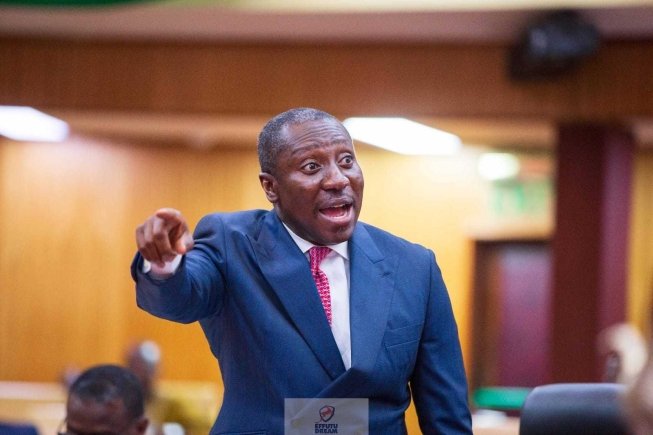
There are also concerns about the broader implications for civil liberties and human rights. Opponents of the bill have suggested that the reforms could be politically motivated and may inadvertently expand the scope of state surveillance.
However, proponents of the legislation maintain that the changes are necessary to modernize Ghana’s security framework and address inefficiencies that have hindered effective coordination in the past. They argue that the bill includes sufficient safeguards to prevent abuse while enhancing operational effectiveness.
Implications for National Security Governance
The passage of the Security and Intelligence Agencies Bill, 2025 represents a pivotal moment in Ghana’s approach to national security governance. By repealing the previous law and introducing a new institutional architecture, the government has signaled its commitment to reforming how security agencies operate and collaborate.
The success of the new framework will depend largely on its implementation, including how effectively the National Security Coordinator manages inter-agency coordination and how well oversight mechanisms are maintained.
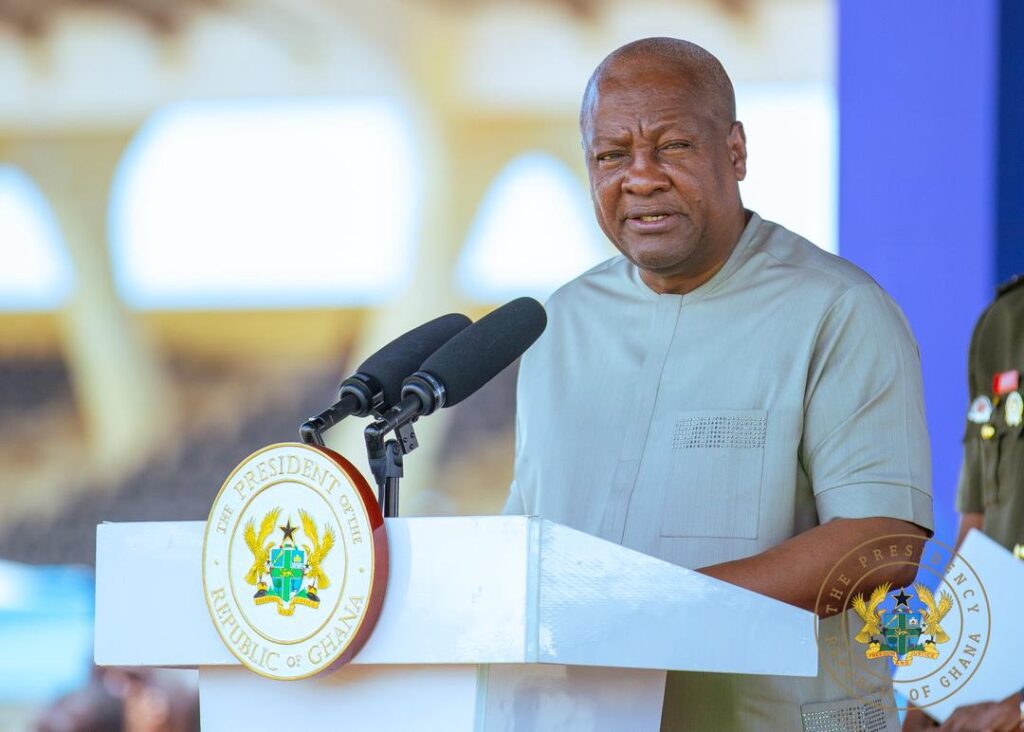
As Ghana navigates an increasingly complex security environment, the reforms are expected to play a crucial role in shaping the country’s ability to respond to both traditional and emerging threats. The balance between efficiency, accountability, and respect for civil liberties will remain central to the ongoing discourse surrounding the new law.
READ ALSO: Parliament of Ghana Passes Landmark Deposit Protection Amendment