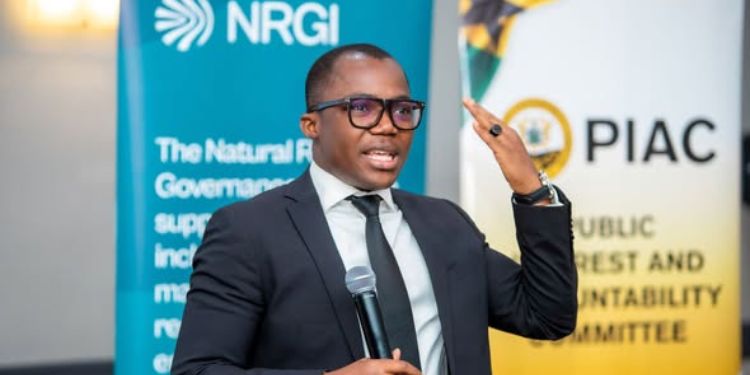
Natural Resource Governance Institute (NRGI) has raised a red flag regarding Ghana’s burgeoning lithium industry, cautioning that systemic gaps in licensing and revenue management could become breeding grounds for high-level corruption.
As the global demand for “green minerals” intensifies, the institute suggests that the complex interface between state actors and private entities in Ghana provides fertile ground for rent-seeking behavior.
Without immediate intervention, the very resources intended to propel the nation toward a sustainable economic future may instead be siphoned away by a few well-connected individuals.
“Mineral production involves a number of complex interactions between the public and private sectors, each of which generates specific opportunities for corruption. We see licensing and revenue collection and management as key potential risk areas for anticorruption stakeholders to be aware of. Licensing is one of the riskiest stages of the decision-making chain in terms of corruption.”
Natural Resource Governance Institute (NRGI)
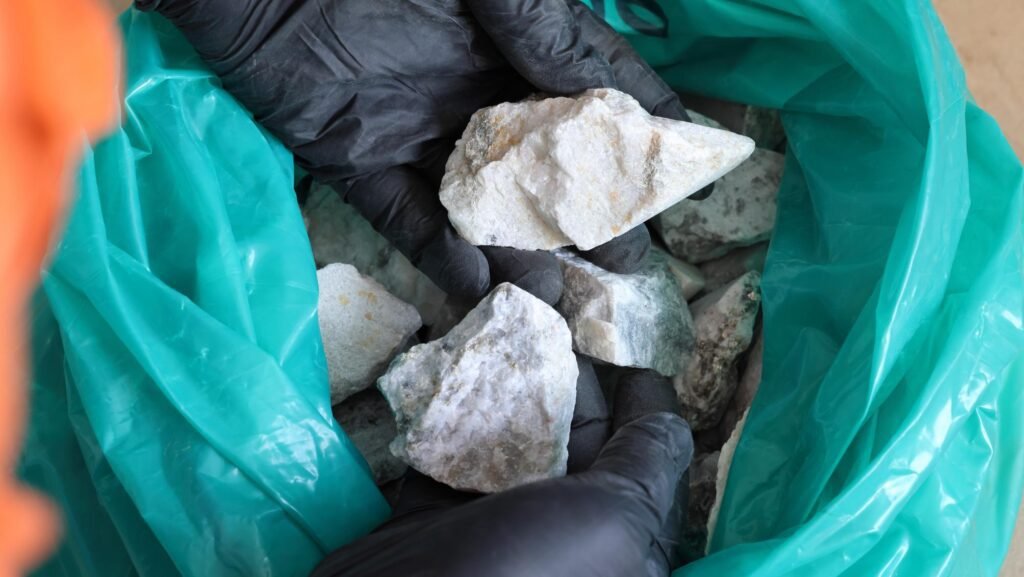
This warning comes at a pivotal moment as Ghana seeks to position itself as a hub for electric vehicle battery minerals in Africa.
Expanding on these concerns, the NRGI points to historical precedents in the broader mining sector where opacity has undermined the public interest.
The transition from discovery to production involves a intricate decision-making chain; however, when the links in this chain are weakened by a lack of transparency, the resulting “opportunities for corruption” can derail national development goals.
Experts argue that the stakes are particularly high for lithium, as the speed of the global energy transition might tempt regulators to bypass standard safeguards in favor of expedited agreements.
The Licensing Quagmire and the Shadow of Favoritism
Licensing has emerged as the most volatile stage of the extractive value chain. According to the NRGI, the risks at this phase manifest through “bribery, favoritism or collusion during awards processes.”
In Ghana, the narrative surrounding the first lithium license has already been marred by controversy thereby causing frustration. In 2023, a Texas-based short-seller alleged that Atlantic Lithium’s partner secured rights in 2021 by acquiring a firm tied to the son of the Chairman of Ghana’s Parliamentary Mines and Energy Committee.
While the short-seller had a financial incentive to see share prices drop, the allegation that USD 730,000 in stock and a 2.5 percent production royalty were involved have sparked a national debate on “undue private influence over the laws and regulations that govern awards processes.”
The manipulation of environmental and social impact assessments (ESIAs) is another critical concern. When licenses are awarded through backroom deals, the rigorous scrutiny required to protect local ecosystems is often sidelined.
This results in a “manipulation of community consultations,” where the voices of those most affected by mining operations are drowned out by corporate interests.
The NRGI warns that such irregularities empower companies to “neglect or harm vulnerable populations and ecosystems with impunity,” creating a legacy of environmental degradation that persists long after the minerals are exhausted.
Revenue Leakages and the Erosion of Public Trust

The secondary frontier of risk lies in how the state collects and manages the wealth generated from these white minerals. Revenue gaps often occur when fiscal regimes are poorly designed or when tax authorities lack the capacity to monitor complex international transactions.
If the “revenue collection and management” systems are not insulated from political interference, the state risks losing billions in potential royalties and corporate taxes.
This fiscal mismanagement directly translates to “citizens and communities denied a fair share of the benefits of mining,” further widening the inequality gap in mining regions.
Corruption in revenue management does not just result in a smaller treasury; it leads to “significant delays to production” as legal challenges and civil unrest often follow disputed deals.
When the public perceives that a “false start” has been made due to skewed contracts, the social license to operate vanishes. This lack of trust can lead to prolonged litigation and a stalled sector, preventing Ghana from capitalizing on high lithium prices during the peak of the global demand cycle.
The Socio-Economic Toll of a “False Start”

The impact of corruption in the lithium sector extends far beyond the balance sheets of mining firms.
For Ghana, a country grappling with debt and economic instability, the loss of mineral wealth represents a stolen future. Corruption effectively acts as a hidden tax on development, diverting funds from essential services like healthcare, education, and infrastructure into the pockets of a “private influence” network.
The Natural Resource Governance Institute (NRGI)’s briefing, titled “Stopping a False Start: Identifying Corruption Risks in Ghana’s Nascent Lithium Sector,” serves as a roadmap for anticorruption stakeholders to demand better.
Ultimately, if these licensing and revenue gaps are not bridged, the “consequences can be severe” for the nation’s democratic institutions.
A lithium sector built on a foundation of collusion undermines the rule of law and discourages legitimate foreign direct investment.
To avoid the “resource curse” that has plagued other mineral-rich African nations, Ghana must prioritize radical transparency in every award process as advocated by many. .
Only by closing these gaps can the government ensure that its lithium reserves serve as a catalyst for genuine national transformation rather than a windfall for a corrupt elite.
READ ALSO: Ghana’s Pivot To Digital Trade Enters Execution Phase