Mining investors, particularly those holding significant shares in Atlantic Lithium and its local subsidiary Barari DV Ghana Ltd, are raising urgent alarms over the protracted delay in the parliamentary ratification of the mining lease for the Ewoyaa Lithium Project.
Despite the strategic importance of the Central Region asset, the ratification process has faced a series of legislative hurdles and political gridlocks since the initial lease signing on October 20, 2023.
The lack of progress in formalizing the agreement is now being cited by stakeholders as a primary driver of diminishing investor appetite within Ghana’s extractive sector.
“I’m gradually losing confidence in the country. I just don’t get it. Everyone is watching this. Who would invest in Ghana’s mining sector, given how this has been handled since 2023? How can they go around wooing the whole mining world and then do nothing back at home?”
Atlantic Lithium Investor.

The legislative journey of the Ewoyaa lease has been marked by significant revisions and withdrawals, further complicating the timeline for development.
Following the initial failure to secure ratification, a new lease was signed in 2025 and laid before Parliament on November 11 of that year; however, it was swiftly withdrawn on December 10, 2025, by the Minister for Lands and Natural Resources, Emmanuel Armah-Kofi Buah, following an uproar over the reduction of the royalty rate from 10% to 5%.
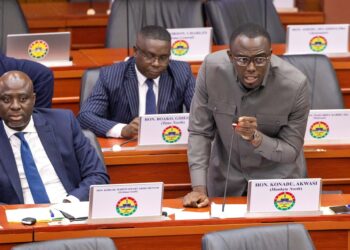
Although the Minister re-laid the lease on December 19, 2025, alongside a new sliding royalty scale ranging from 5% to 12% tied to global prices, the document remains stalled within the Lands and Natural Resources Committee after roughly 25 parliamentary sittings and minimal official communication.
Erosion of Global Investor Confidence

Global mining investors are beginning to take notice of the “unusually little communication” regarding the status of the Ewoyaa project, leading to a shift in sentiment.
A major shareholder noted that the prolonged delay is starting to affect the broader perception of the country’s mining climate, asking, “How can they go around wooing the whole mining world and then do nothing back at home?”
This sentiment is reflected in the market, where some investors have already “started selling their shares in Ghanaian mining companies” as they perceive the government as being either unwilling or unable to move the project forward.
Host Communities and Livelihoods in Limbo
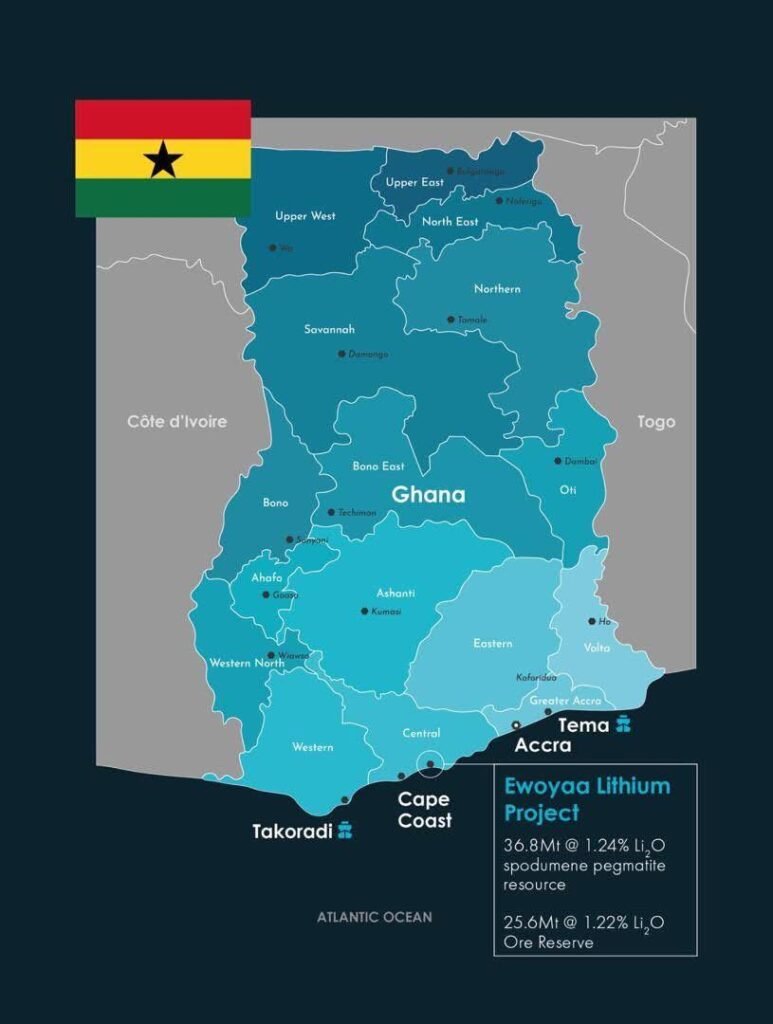
Beyond the financial markets, the delay is exacting a heavy toll on the host communities in the Mfantseman and Abura-Asebu-Kwamankese (AAK) districts.
Local farmers have reported that their livelihoods are essentially frozen, as restrictions on farmlands within the concession area have halted the cultivation of major cash crops like pineapple and plantain.
Furthermore, Atlantic Lithium has already implemented cost-saving measures, including cutting its Ghana-based headcount and placing several full-time employees on reduced work schedules to preserve cash while awaiting the final permitting step.
Seeking the Balance of Commercial Viability
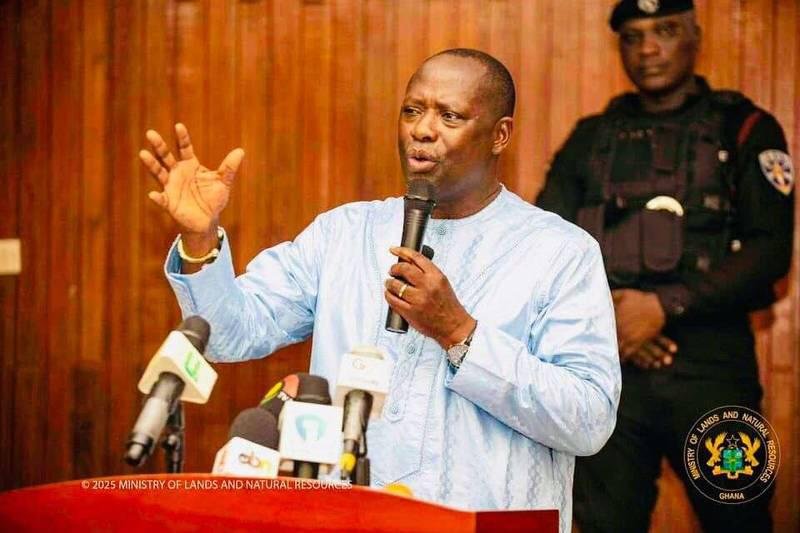
Ghanaian authorities face the challenge of performing due diligence to ensure the agreement “delivers maximum benefit to the country” while keeping the project “commercially viable” for the operators.
While finding this balance inevitably requires deep consultation, industry experts argue that greater transparency is essential given the capital involved.
As the process remains stalled at the committee level, the industry continues to wait for the predictable and transparent framework that investors require to commit substantial development funding.
READ ALSO : Nigeria’s Finance Minister Pledges Execution of Tax Reforms