Ghana’s exposure to recurring global disruptions has once again come under scrutiny, as policymakers and analysts debate whether years of economic reforms have delivered the resilience the country needs.
From geopolitical tensions in the Middle East to volatility in global commodity and financial markets, external shocks continue to cast uncertainty over the nation’s recovery path.
The issue gained renewed attention during a public policy discussion where concerns were raised about how global instability could affect Ghana’s fragile macroeconomic progress.
While the country has implemented structural reforms over the years, questions remain about whether those measures have been sufficient to shield the economy from turbulence originating beyond its borders.
Terkper Questions Global Financial Architecture
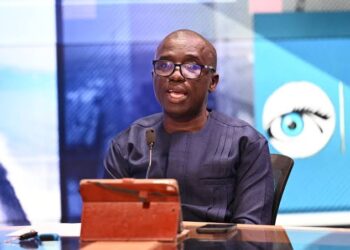
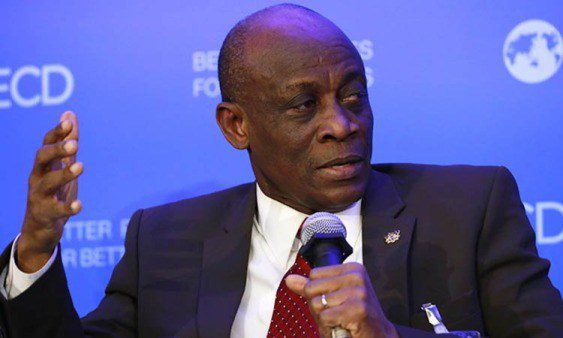
Former Finance Minister Seth Terkper offered a critical perspective on the matter, shifting the conversation from domestic reforms to the global financial system itself. In his view, Africa’s persistent vulnerability is not only a local policy challenge but also a reflection of deep structural imbalances embedded in international financial governance.
Responding to concerns about Ghana’s continued exposure to global shocks, Mr Terkper argued that the foundational purpose of major multilateral institutions deserves closer examination.
“Let’s put it this way, the institutions that we mentioned – the World Bank and IMF – that helped during the crisis, you talk about it, that’s why I’m using them as examples. They were not set up to help Africa.”
Seth Terkper
His comments immediately sparked debate, especially as these institutions have played visible roles in supporting developing economies through financing programs and policy assistance.
Debate Over Historical Context
The host of the discussion challenged Mr Terkper’s assertion, describing it as debatable and suggesting that the modern roles of global financial institutions extend well beyond their historical origins.
However, the former minister maintained that his argument was grounded in history rather than sentiment. He emphasized that understanding the context in which these institutions were formed is key to explaining present day financing patterns and policy priorities.
“I am saying that at the time they were set up, the Bretton Woods Conference, a substantive flow went to the countries that were engaged in a war, Germany and the rest, which were devastated. Those are the first financing, but today they don’t go to those institutions to stabilise.”
Seth Terkper
His remarks pointed to the post war reconstruction agenda that shaped the early operations of the World Bank and the International Monetary Fund, institutions established during the historic Bretton Woods Conference to rebuild economies devastated by World War II.
Structural Imbalances and Africa’s Position
Mr Terkper’s critique highlights a broader concern shared by many African policymakers and development economists. The global financial system, they argue, was designed in an era when Africa had limited representation in international decision making. As a result, financing structures, governance models, and policy priorities often reflect the interests of advanced economies.
This historical imbalance continues to influence access to capital, debt restructuring processes, and crisis response mechanisms. For countries like Ghana, which rely heavily on external financing and commodity exports, global market disruptions can quickly translate into currency pressure, rising debt costs, and fiscal strain.
Despite reform efforts aimed at strengthening domestic revenue mobilization, improving public financial management, and diversifying the economy, Ghana remains sensitive to external shocks that originate far beyond its control.
Reforms Versus External Realities
Over the past decade, Ghana has pursued multiple waves of structural reforms designed to stabilize the macroeconomy and attract investment. These have included fiscal consolidation measures, financial sector clean up exercises, and policy frameworks to enhance economic competitiveness.
Yet global disruptions such as supply chain breakdowns, commodity price swings, and geopolitical tensions have repeatedly tested the durability of these reforms. The lingering question is whether national policy efforts alone can overcome systemic vulnerabilities tied to the global economic order.
Analysts note that resilience requires both strong domestic institutions and fairer international systems. Without reforms at the global level, developing economies may continue to face disproportionate risks during crises.
A Call for Rethinking Global Partnerships
Mr Terkper’s intervention adds to growing calls for reforming global financial governance to better reflect present day economic realities. Advocates argue for stronger African representation in decision making bodies, more flexible financing instruments, and crisis response frameworks tailored to the needs of developing economies.
Such changes, they say, would not only support economic stability but also promote inclusive growth and sustainable development across the continent.
For Ghana, domestic reforms remain essential, but global cooperation and institutional reform are equally critical to reducing exposure to shocks.
As international uncertainties persist, the conversation about fairness, representation, and purpose within global finance is likely to intensify.
READ ALSO: Mahama to Muslim Faithful’s: Pray for Peace in Middle East