The celebration of Nowruz has emerged as a powerful global symbol of unity, cultural resilience and shared humanity at a time marked with deepening geopolitical tensions and widespread uncertainties.
The Honourable Marc Miller, Minister of Canadian Identity and Culture and Minister responsible for Official Languages, acknowledged the historical significance of Nowruz and its ongoing importance to diverse communities in Canada and around the world.
“Today, millions of people in Canada and around the world in the Iranian, Kurdish, Afghan, and Central Asian communities are observing the Persian New Year. For more than 3,000 years, this spring festival has been a chance for family, friends, and loved ones to come together, do a thorough cleaning, and celebrate with large, delicious meals.
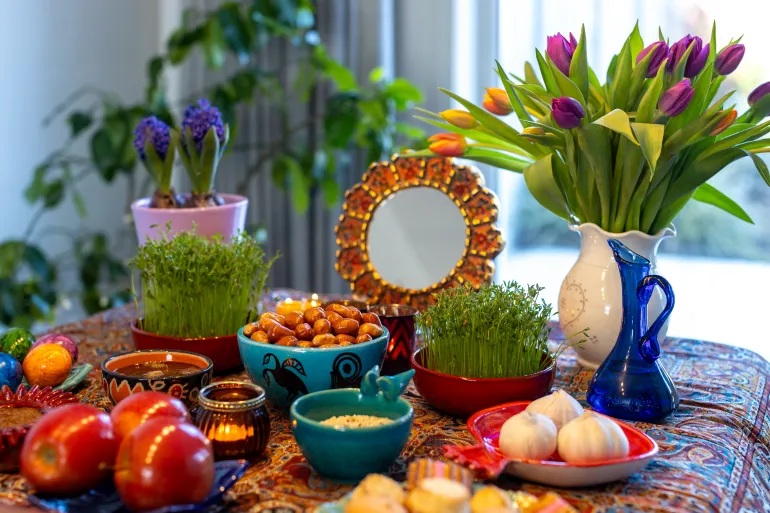
“In certain communities, Nowruz is a chance to gather with loved ones for meals around the haft-sin table, while in others, people light bonfires and jump over them to symbolically harness the power of fire. During Nowruz, people are encouraged to offer those in their community their best wishes for luck and prosperity in the year ahead.”
Marc Miller
Honourable Marc Miller also expressed sympathy for people of Iranian origin, stating, “This year, we know that many people of Iranian origin are celebrating Nowruz while feeling deeply concerned for their loved ones who remain in Iran. My thoughts are with all those who are marking this holiday under difficult circumstances.”
United Nations Secretary-General, António Guterres also marked Nowruz, indicating its continued significance as a symbol of renewal, unity, and global cooperation amid growing international divisions.
“For more than 300 million people around the world, Nowruz represents renewal, a new year, a new spring, a new chance to build bridges of understanding and mutual respect among all cultures and peoples. In these difficult and divided times, the message of Nowruz is vital.
“Its timeless values of diversity, dialogue, understanding, and reconciliation represent a powerful path to achieving the peace, human rights, and dignity that the United Nations works for each and every day. The challenges faced by the human family are immense. But Nowruz can be our guide. Across all nations and cultures, let’s walk together as we build a more peaceful, sustainable, and inclusive world for all people.”
António Guterres
Centuries-Old Nowruz Traditions Continue to Shape Global Culture
Nowruz is one of the oldest continuously observed cultural festivals, originating in ancient Persian civilization and Zoroastrian spiritual traditions. It is celebrated at the vernal equinox and symbolizes renewal, rebirth, and the cyclical nature of life. These enduring themes have allowed Nowruz to persist through centuries of change.
The haft-sin table is a central element of Nowruz, featuring seven symbolic items that each begin with the Persian letter “S.” These include sabzeh (sprouted grains) for rebirth, samanu (sweet pudding) for prosperity, senjed (dried fruit) for love, seer (garlic) for health, seeb (apple) for beauty, somāq (sumac) for the triumph of good over evil, and serkeh (vinegar) for age and wisdom, representing key values associated with renewal and the start of a new year.
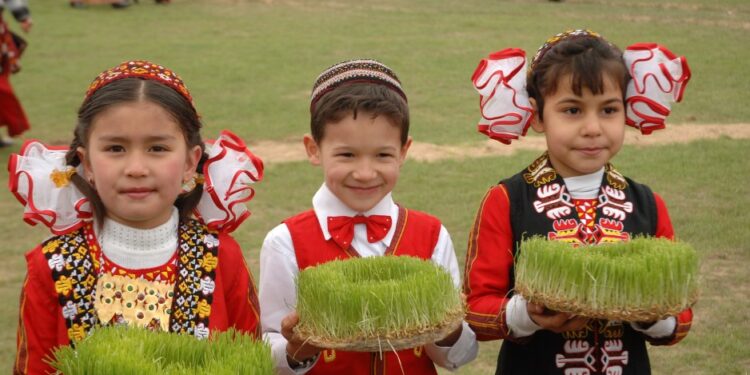
Nowruz is also a vibrant communal event marked with public celebrations such as music, dance, and cultural performances that strengthen social bonds and shared identity. A notable tradition is the fire ritual, where participants leap over bonfires as a symbolic act of purification and renewal. This custom is believed to transfer strength and energy. Collectively, these traditions highlight Nowruz as both a personal and communal celebration.
In multicultural societies such as Canada, Nowruz has adapted to diverse urban environments. Cultural associations, community groups, and municipal institutions organize public events that bring people from diverse backgrounds together. These gatherings feature music, dance, and cuisine, providing opportunities for newcomers and encouraging intercultural dialogue.
In Iran, Nowruz is defined by traditions such as the haft-sin display and the widely celebrated Chaharshanbe Suri festival. Families reunite, communities promote harmony, and artists express culture through poetry and music, deepening the festival’s significance.
In Azerbaijan and Uzbekistan, Nowruz features large public festivities with traditional games, communal meals, and lively street performances. Across the Caucasus, Central Asia, and the Balkans, Nowruz unites communities by blending local traditions with its universal message of renewal.
In a rapidly changing and interconnected world, Nowruz call to attention shared human values and promotes tolerance, cultural appreciation, and peace, principles that are essential today.
Nowruz is more than just a calender event; it is a living tradition that celebrates nature’s renewal and human resilience.
READ ALSO : British Army Begins Retirement of Iconic Land Rover Fleet