The Central Bank of Nigeria has approved the full repatriation of export proceeds by International Oil Companies, allowing them to access 100 per cent of their foreign exchange earnings through authorised dealer banks.
According to the circular signed by Dr Musa Nakorji, Director of the Trade and Exchange Department, the move forms part of ongoing reforms to improve liquidity and stability in the foreign exchange market and marks a shift from its earlier policy.
“The Bank issued two circulars in 2024, allowing Authorized Dealer Banks to cash pool 50 per cent of repatriated export proceeds on behalf of International Oil Companies with the remaining 50 per cent retained for 90 days before repatriation. However, to further liberalize and deepen the market in line with current market realities, IOCs are hereby granted unfettered access to their repatriated export proceeds.”
Central Bank of Nigeria
It further indicated that the IOCs may repatriate 100 per cent of their export proceeds through the ADBs, who shall ensure adequate documentation and submit a monthly report to the Director, Trade & Exchange Department, adding that, “this provision supersedes all other circulars issued by the Bank on cash pooling.”
Moreover, the Central Bank of Nigeria has directed all authorized dealer bank to “note and be guided accordingly, as this directive takes immediate effect.”
How the 2024 CBN Measures Shaped Repatriation Rules for Oil Companies

In 2024, the Central Bank of Nigeria (CBN) introduced a set of measures aimed at regulating the repatriation of foreign exchange earnings by International Oil Companies (IOCs) operating in Nigeria. These measures marked a departure from the previously unrestricted framework, introducing new requirements that affected how oil firms accessed and utilized their export proceeds.
Under the CBN measures, the apex bank mandated a phased repatriation process: 50 percent of the proceeds were to be repatriated immediately, while the remaining 50 percent was to be held domestically for 90 days. This structure was designed to retain liquidity within the Nigerian economy while providing IOCs with partial access to their foreign earnings for international obligations.
The CBN also formalized regulations governing “cash pooling” requirement. Under these rules, oil companies were required to obtain prior approval from the bank before repatriating funds under a pooled framework.
They were also mandated to provide detailed statements of domestic expenditures before approval, ensuring that cash pooling did not circumvent regulatory oversight. This measure allowed IOCs to use part of their proceeds for operational and financial obligations within Nigeria while maintaining transparency and accountability.
Although the 2024 framework aimed to stabilize the Nigerian foreign exchange market and improve domestic liquidity, it also created operational challenges for multinational oil firms.
The phased repatriation and stringent cash pooling requirements necessitated additional administrative oversight and complicated the planning of international remittances.
According to industry experts, companies had to carefully balance domestic obligations with the timing of foreign transfers, often requiring detailed financial tracking and coordination with authorised dealer banks.
Implications of Full Repatriation for International Oil Companies
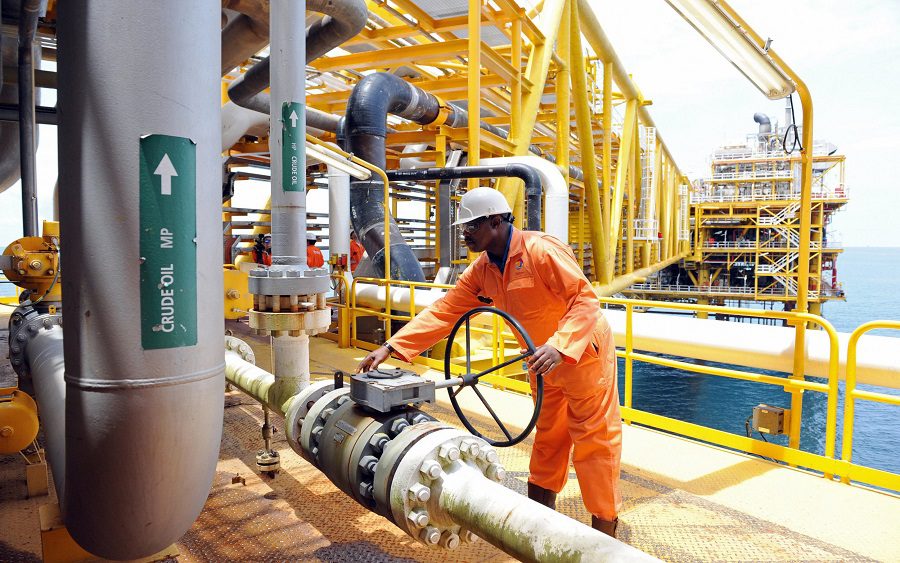
The latest circular issued by the Central Bank of Nigeria directly addresses earlier constraints by granting International Oil Companies (IOCs) unrestricted access to their repatriated export proceeds.
By eliminating the previous 50/50 split requirement and removing the need for prior approvals under cash pooling arrangements, the apex bank has significantly simplified operational procedures.
The central bank is also encouraging greater participation through Authorised Dealer Banks, a move expected to improve market liquidity and enhance depth. Increased activity within the formal banking system can help moderate volatility and create a more efficient pricing environment for foreign exchange transactions.
Industry executives further note that improved access to export earnings enhances treasury management for IOCs and marginally reduces financial risk, particularly in Nigeria’s upstream oil sector where confidence in capital mobility remains a critical consideration. The ability to move funds freely supports more predictable financial planning and strengthens the investment outlook for multinational operators.
Notably, the new directive reverses restrictions introduced in February 2024, when acute dollar shortages placed significant pressure on the naira, pushing it to record lows. In response to those conditions, the central bank had implemented tighter controls to conserve foreign exchange and stabilise the currency.
Since then, however, the Central Bank has taken additional steps to restore market confidence, including raising open-market rates to attract foreign portfolio inflows and removing caps on foreign-exchange spreads in the interbank market.
READ ALSO: UK Appoints David Reed as Trade Commissioner for Eastern Europe