The Government of Ghana has recorded a significant breakthrough in its ongoing audit of arrears, recovering GH¢19.1 million from a company cited for financial infractions.
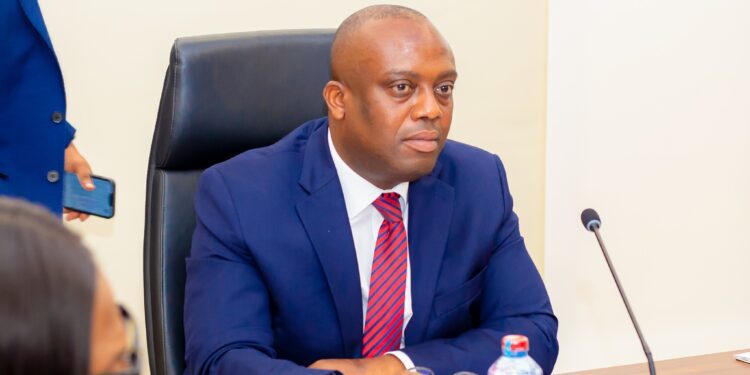
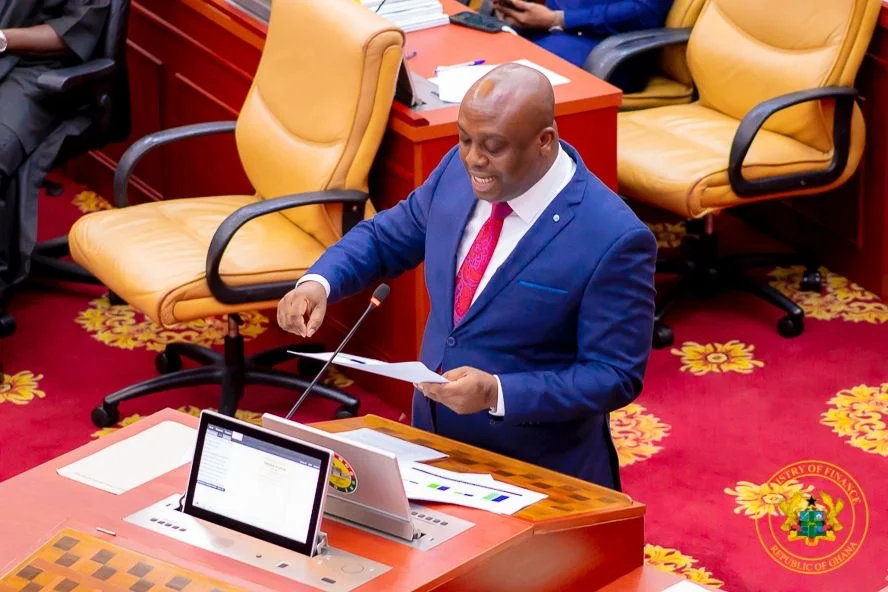
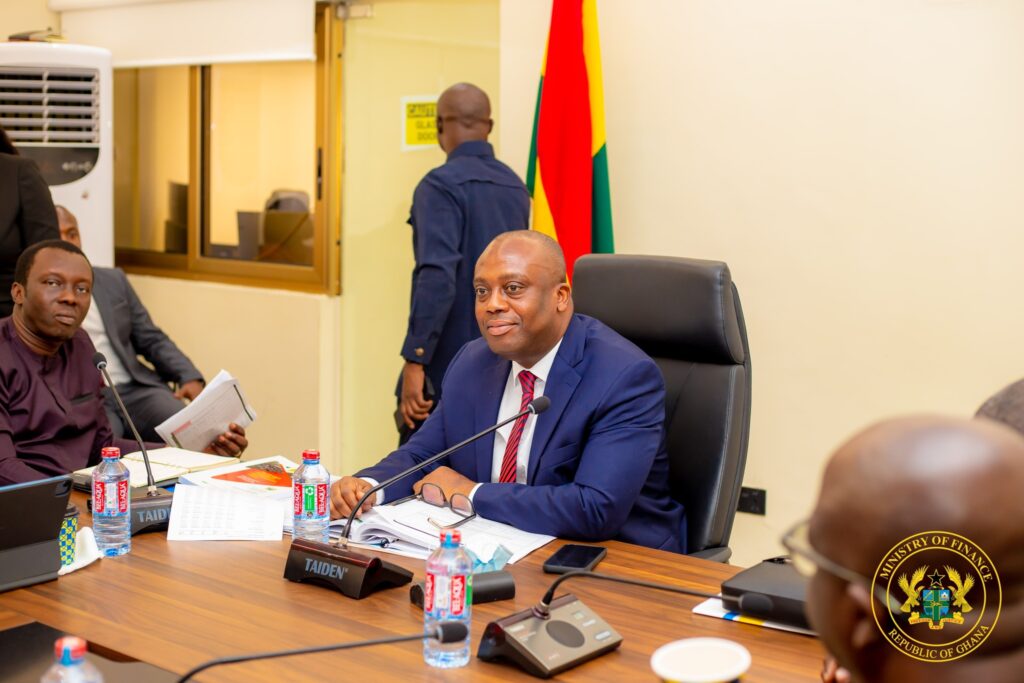
The Deputy Minister for Finance, Hon. Thomas Ampem Nyarko, confirmed the development, describing it as a clear indication that the audit process is already delivering results.
Addressing the Public Accounts Committee of Parliament in its special hearing on the matter, he explained that the recovery followed shortly after the audit findings were presented.
The company involved, Rans Logistics, was identified as having been overpaid for the transportation of grains. Within a week of the disclosure, the firm refunded the amount to the state.



“Exactly a week after the presentation, the company has gone ahead to refund 19.1 million Cedis to the state,” he stated, emphasizing the effectiveness of the audit in prompting accountability.
The recovery is part of a broader audit exercise that reviewed GH¢68.7 billion in outstanding payments owed by various Ministries, Departments, and Agencies. The exercise uncovered extensive irregularities, raising concerns about the integrity of public financial management systems.

Out of the total amount assessed, GH¢45.4 billion was validated as legitimate claims, while GH¢8.1 billion was rejected due to identified infractions. An additional GH¢13.3 billion remains under review, suggesting that further recoveries and actions may follow as the process continues.
The Deputy Minister noted that the audit was necessary not only to verify claims but also to identify systemic weaknesses and restore discipline in public spending. He stressed that the exercise is beginning to achieve its intended purpose of safeguarding state resources.
Fraudulent Practices and Inflated Claims Exposed
The audit findings revealed a range of irregular practices, including fraudulent claims supported by forged documents and falsified receipts. In several instances, payments were requested for work that had not been carried out, pointing to serious lapses in verification processes.
Auditors also identified widespread duplication and inflation of invoices, where contractors submitted multiple claims for the same work or exaggerated costs. These practices contributed significantly to the buildup of arrears and distorted the true financial position of the state.
In the road sector, some contracts were found to have been awarded without proper approvals or budgetary allocations, further complicating efforts to manage public finances effectively. There were also cases of non existent debts, where claims were submitted for projects with no official backing or documentation.
Additionally, expired claims were detected, including payments sought for goods that had lost their value due to delays or poor contract management. These findings highlight the need for stricter oversight and improved compliance with procurement and financial regulations.
Beyond the GH¢19.1 million already recovered, the government is pursuing further restitution linked to the same case. According to the Deputy Minister, the company in question had also received excess quantities of rice, estimated at over 7,000 metric tonnes. Authorities are now working to recover the value of this additional allocation.
The audit findings have been referred to the Office of the Attorney General and the Public Accounts Committee for further investigation. These bodies are expected to determine the appropriate legal and administrative actions against those involved in the identified infractions.
“The Attorney General is working with his team to recommend the right course of action for all these infractions,” the Deputy Minister stated, signaling that prosecutions and sanctions may follow.
Strengthening Oversight and Public Confidence
Government officials have framed the audit as a critical step toward strengthening accountability and rebuilding public confidence in the management of state resources.
The Deputy Minister поted that the exercise underscores the importance of transparency and the need to address inefficiencies within public institutions.
He expressed optimism that the findings will lead to reforms that enhance financial oversight and prevent similar irregularities in the future. By identifying and addressing weaknesses in existing systems, the audit provides a foundation for more effective governance.
The swift recovery of funds also demonstrates the potential of audits to serve as a deterrent against financial misconduct. As more cases are reviewed, the government expects to recover additional funds and reinforce compliance with established procedures.
The developments mark a potentially important moment in Ghana’s efforts to enforce fiscal discipline and ensure prudent use of public funds. While the scale of irregularities uncovered presents challenges, it also offers an opportunity for meaningful reform.
As the audit process continues, attention will remain on both recovering lost funds and implementing measures to prevent future abuses. The early success in reclaiming GH¢19.1 million suggests that sustained commitment to accountability could yield significant benefits for the country’s financial management framework.
READ ALSO: IERPP Jabs Gov’t for ‘Shielding’ GoldBod from Accountability