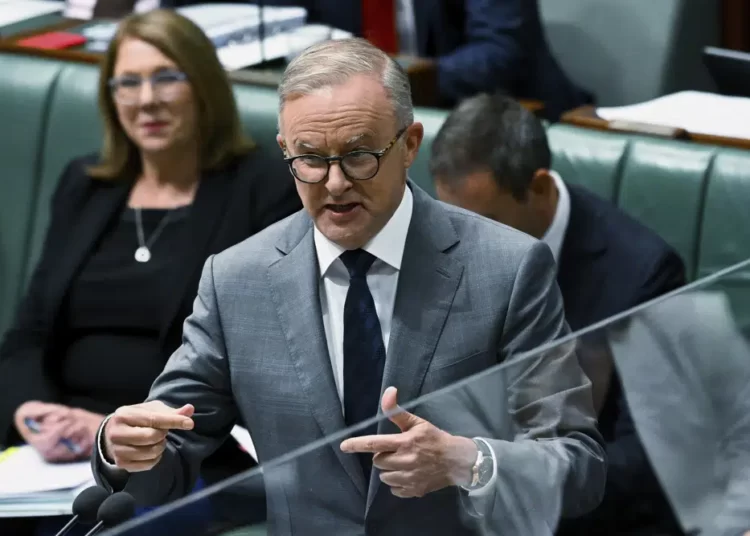
Prime Minister Anthony Albanese has disclosed that Australia’s government will slash petrol and diesel taxes by half amid a surge in fuel prices prompted by the US-Israel war on Iran.
Speaking at a news conference in Canberra, Albanese said that the fuel excise would be cut in half from April 1 to June 30 in recognition of the “financial stress” caused by rising energy prices.
Albanese made the announcement as the international benchmark for crude oil rose above $116 a barrel, its highest level in nearly two weeks, amid escalation on multiple fronts of the conflict.
According to the Australian Prime Minister, the move would reduce the cost of petrol by 26.3 Australian cents ($.18) per litre, saving motorists nearly $19 ($13) on a 65-litre (17-gallon) tank of fuel. “We are making fuel cheaper today because we understand that Australians are under serious pressure,” Albanese said.
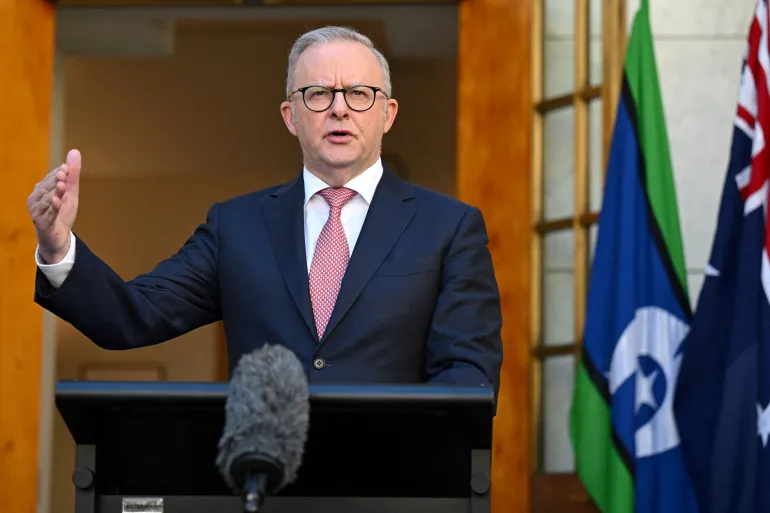
“We understand the cost pressures for people are very real as the impact of the war on the other side of the world plays out right here. We’re acting now to be over-prepared.”
Anthony Albanese
Albanese announced that the government would also suspend its charge on heavy vehicles for three months. He said that the heavy vehicle road user charge, currently 32.4 cents per litre, would be temporarily scrapped to “help truckies continue their vital work for our nation.” The planned six per cent increase will also be delayed by six months.
Albanese went on to “encourage Australians who can to take public transport, to help save fuel for the areas and industries that need it.” “And I note a couple of the jurisdictions have taken action to reduce public transport fares as well,” Albanese said, referring to Victoria and Tasmania.
Additionally, he urged Australians not to cancel their Easter getaways amid rising fuel pressures.
“People should enjoy their Easter, and it’s important as well that we keep the economy going. Easter is an important time for tourism destinations, for jobs. They rely upon that. And I wish those people of faith as well a holy Easter. It’s an important time.”
Anthony Albanese
Treasurer Jim Chalmers speaking alongside Albanese, said that the changes to the excise and road user charge were timely, targeted and responsible.
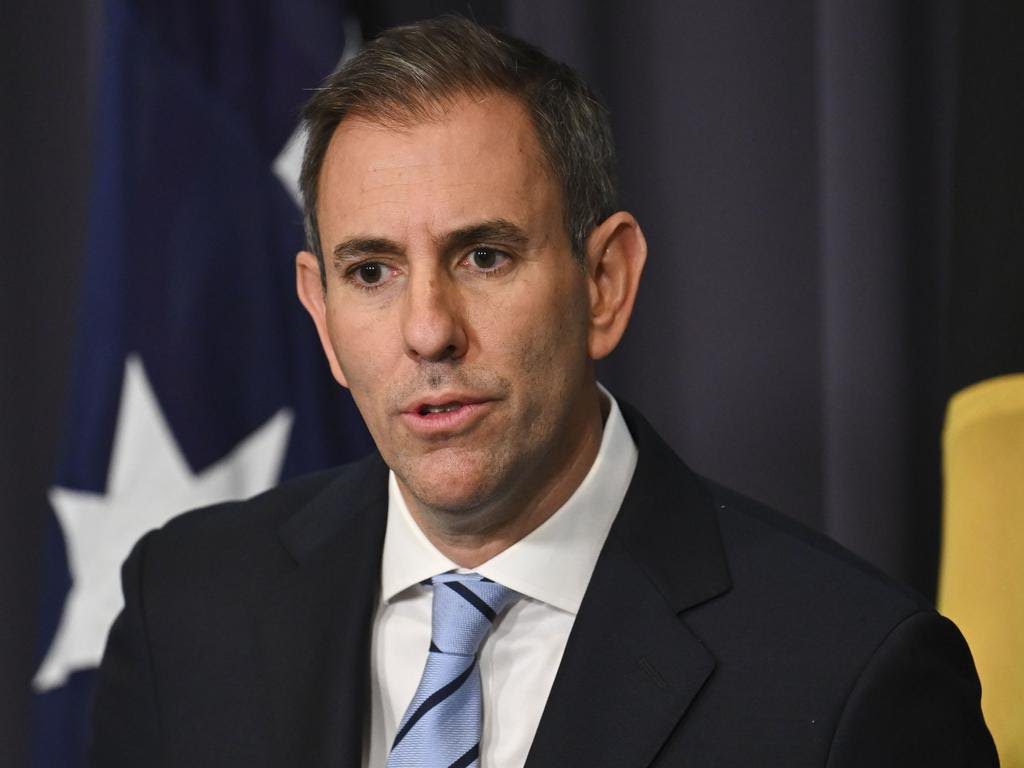
He also revealed it was projected to cost taxpayers about $2.55bn, “depending, of course, on the amount of demand in the system over that 3-month period.” “But the initial costing is $2.55 (billion), and the revenue forgone by delaying the increase in the heavy vehicle road user charge is about another $53 million,” Chalmers said.
The Coalition welcomed the move but decried it as “overdue”, with Opposition Leader Angus Taylor saying in a statement, “Australian families and small businesses will pay less for fuel because the Coalition led and the government followed.”
“This is overdue relief that will take pressure off the cost of living and help keep supply chains moving ahead of Easter. We welcome the national fuel security plan, but the reality is we still do not have a clear plan to get fuel to the servos that have run dry. And the Prime Minister still has not ruled out heavy handed mandates that Australians do not want.”
Angus Taylor
Australia To Adopt National Fuel Security Plan
Moreover, Albanese announced that Australia would adopt a National Fuel Security Plan finalised with the support of states and territories over the past week. “Early action coupled with new supply measures will make a difference and make sure that fuel continues to get to those who need it most,” he said.
According to the plan, the government’s approach to the crisis will be determined by four levels of action.
He disclosed that the first – Plan and Prepare – meant the business-as-usual operation of fuel supply, with government monitoring impacts of “global factors.”
“Clearly, we’re beyond that. Level two, where we are now, ‘Keep Australia Moving’. Fuel supply continues to operate effectively, but localised supply disruptions occur … (the) government’s taking precautionary actions to shore up fuel supply.
“And secondly, if you like, the voluntary component as well. Only buy the fuel you need, make voluntary choices to use less and avoid the impact of higher fuel prices.”
Anthony Albanese
The third level, ‘Taking Targeted Action’, was one Albanese said he hoped to avoid describing it as “ongoing supply disruptions” that would trigger a “focus on getting fuel to where it’s needed most, and adopt voluntary, practical measures to limit fuel use.”
The fourth stage, “Protecting Critical Services For All Australians,” would be defined by ongoing supply disruptions that he said required “government action to ensure critical users are protected and the economy remains open and operating.”
While Australia is a major exporter of coal and natural gas, the country sources about 80 percent of its refined fuel needs from overseas.
READ ALSO: Rubio Says Iran War To End In Weeks