The Minerals Commission of Ghana has assured a series of strategic, proactive measures to safeguard the long-term operational vitality of the Damang Mine as the current mining lease held by Gold Fields Limited approaches its final expiration.
This regulatory intervention, conducted in close coordination with the Ministry of Lands and Natural Resources, is designed to oversee a seamless succession process that prioritizes the protection of livelihoods and the preservation of the mine’s substantial contribution to the national economy.
By managing this transition through a rigorous legal and regulatory lens, the Commission aims to ensure that the shift in ownership does not disrupt the productivity of one of the country’s most significant mineral assets.
“The Commission assures all stakeholders that this change in mine ownership will not result in job losses. This commitment is central to the policy direction of the Minister for Lands and Natural Resources to protect the livelihoods of every individual contributing to the mine’s success. The goal remains to attract a responsible partner who will maintain employment while creating new opportunities for socio-economic development.”
Minerals Commission of Ghana
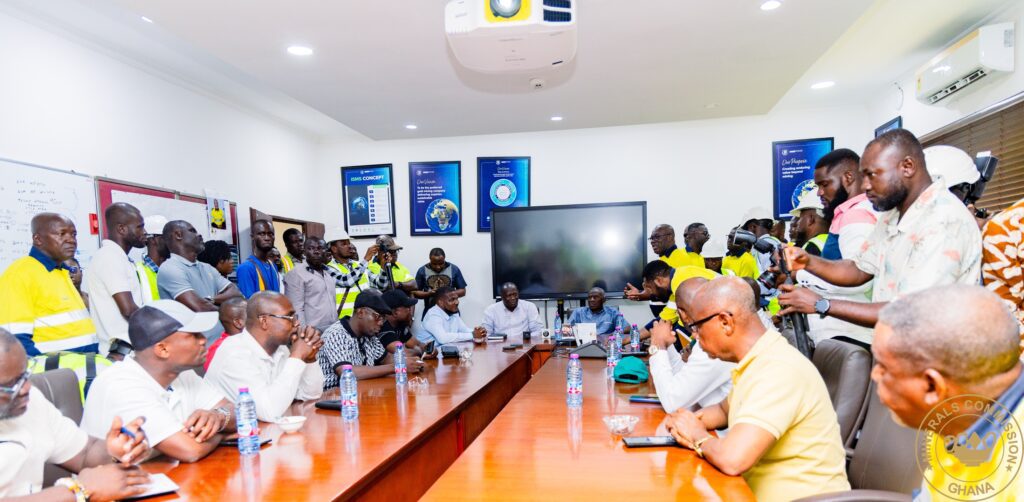
Expanding on this mandate, the Commission is working under the direct policy guidance of the Minister for Lands and Natural Resources, Hon. Emmanuel Armah-Kofi Buah (MP), to provide an unwavering guarantee of job security for the entire Damang workforce.
This assurance of stability is not limited to permanent staff but extends to contract workers, reflecting a holistic recognition that the skills and dedication of these individuals are the mine’s most valuable assets.
To facilitate this, the Commission is utilizing a transparent and competitive bidding process to identify a highly competent successor capable of meeting the most stringent technical, financial, and environmental benchmarks required to sustain and expand production levels.
Strategic Succession and Workforce Protection
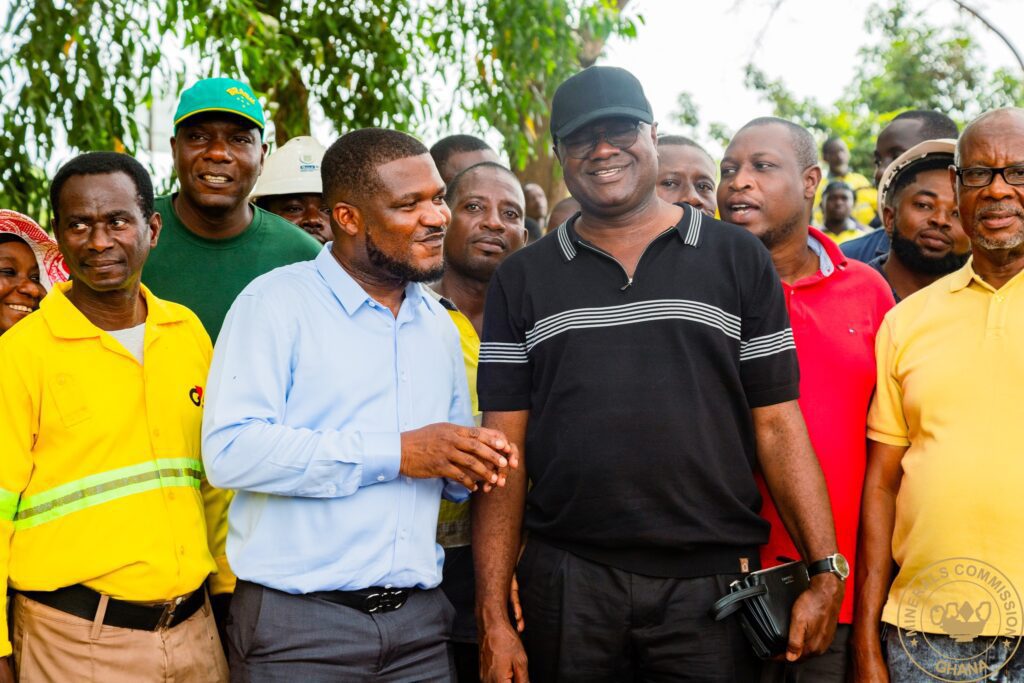
The Commission’s role as a “steadfast steward of Ghana’s mineral wealth” is currently focused on ensuring that the transition at Damang serves as a global model for balancing investor confidence with citizen welfare.
By adhering strictly to Ghana’s legal frameworks, the regulator is ensuring “operational continuity” that prevents the typical “lame duck” period often associated with lease expirations. This oversight ensures that any incoming investor possesses a “proven commitment to local content” and community development, effectively deepening the value retained within the Ghanaian mining value chain.
Economic Implications for the Green Transition
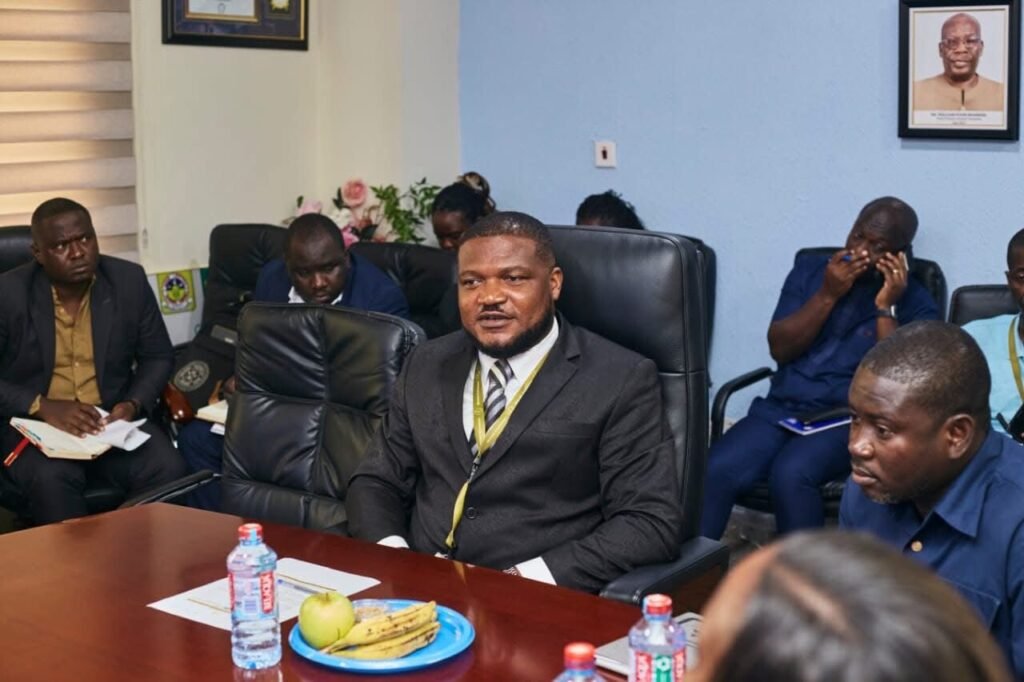
From the perspective of an energy and green transition observer, the stability of the Damang Mine is critical for the broader industrial ecosystem.
A “well-managed transition” at Damang signals to the global market that Ghana is a “predictable and secure jurisdiction” for large-scale resource extraction, which is essential as the world looks toward stable mineral supplies for the global energy shift.
The Commission’s insistence that future partners meet “stringent environmental benchmarks” aligns with modern ESG (Environmental, Social, and Governance) standards, ensuring that the mine’s “contribution to the national economy” is both sustainable and responsible.
Broader Industry Impact and Investor Confidence

In-depth research into this assurance reveals significant implications for the wider Ghanaian mining sector. By taking a firm stand on “job preservation” and “local content,” the Minerals Commission is effectively raising the bar for how mining transitions are handled across West Africa.
This approach mitigates the risk of “socio-economic instability” in host communities that rely on large-scale operations.
Furthermore, the use of a “transparent and competitive process” to identify new investors reinforces the message that while the state is assertive in its regulatory oversight, it remains open to “highly competent investors” who view Ghana as a “partner in progress.”
This strategic move is expected to bolster the long-term “economic health of local communities” and maintain Ghana’s status as a premier destination for mining investment during the transition to more sustainable industrial models.
READ ALSO: Stability Alone Won’t Save Ghana’s Economy- Theo Acheampong