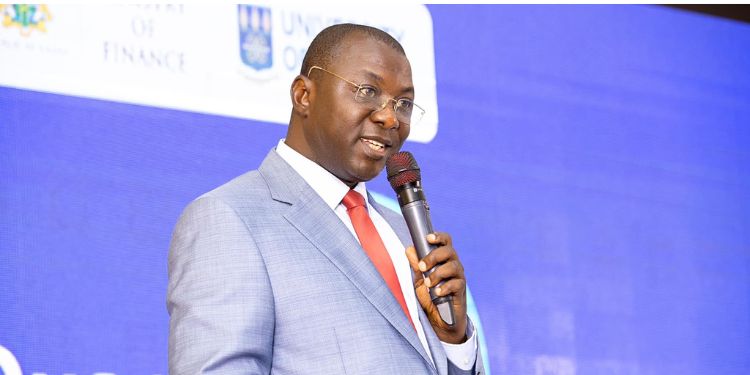
Hon. Dr. Mohammed Amin Adam, Member of Parliament for Karaga and former Finance Minister, has asserted that a strategic reduction in petroleum taxes and levies is a fiscally sound move that will not compromise the integrity of the 2026 Budget.
His intervention comes at a critical juncture where the Ghana Private Road Transport Union (GPRTU) and various Civil Society Organizations (CSOs) are mounting pressure on the government to provide relief at the pumps.
As international crude oil prices surge past the $100 per barrel mark due to the escalating US-Israel-Iran conflict, the former Minister argues that the state is currently positioned to absorb the cost of tax cuts through significant windfall revenues from oil exports.
“What the government has not told Ghanaians is that it has been gaining from the increase in international crude oil prices since the US-Israel-Iran War started.”
Hon. Dr. Mohammed Amin Adam
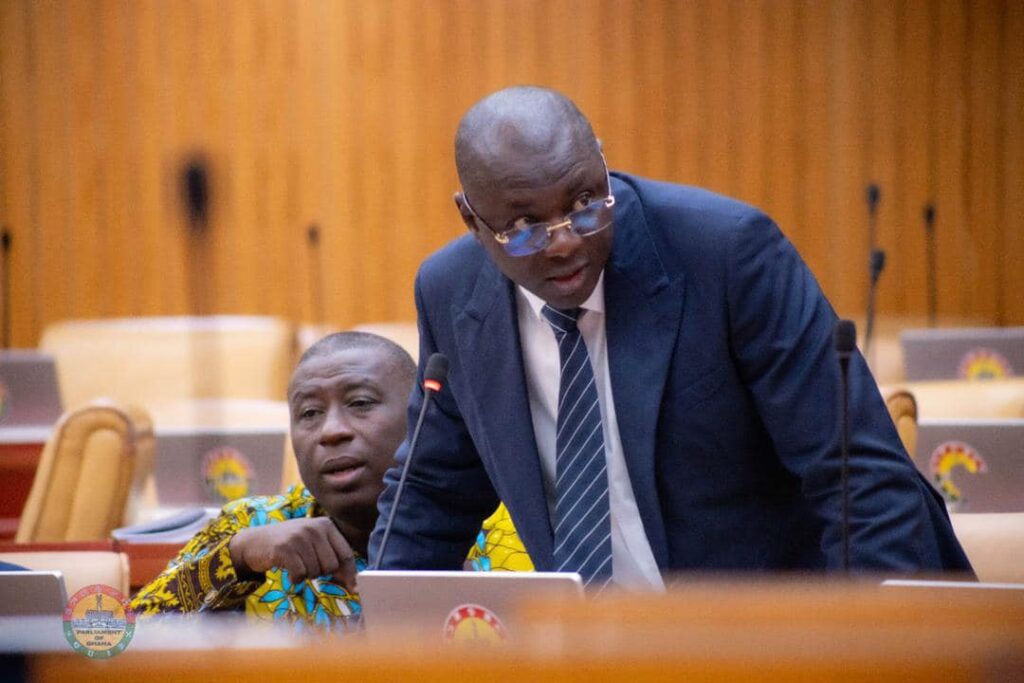
Dr. Amin Adam’s argument rests on the disparity between the conservative fiscal projections in the 2026 Budget Statement and the current market reality.
While the budget was anchored on a benchmark crude oil price of $76.22 per barrel with a projected government share of 37.95 million barrels, the current global price spike has created a massive revenue cushion.
According to the former Minister, the government is poised to gain additional windfall revenue exceeding GHS 8 billion this year alone, a surplus that he believes should be utilized to “cushion the Ghanaian consumer” by neutralizing the impact of rising fuel prices through the abolishment of certain levies.
“The calls for Government to intervene by reducing the levies/taxes on petroleum products are therefore well placed as this will not adversely affect the 2026 Budget. Revenue shortfalls from reducing petroleum taxes will be recovered from the new additional revenue from Ghana’s share of crude oil exports. Government must act now.”
Hon. Dr. Mohammed Amin Adam
The Windfall Reality and Fiscal Space
The push for tax abolishment is backed by the sheer volume of unexpected revenue flowing into the State’s coffers.
With production levels estimated at roughly 103,959.78 barrels per day, every dollar increase above the $76.22 benchmark adds millions to the national revenue.
Dr. Amin Adam points out that what the “government has not told Ghanaians” is its direct gain from the very international price hikes that are hurting local motorists.
By reallocating this GHS 8 billion windfall, the government can effectively bridge the gap created by a reduction in the Special Petroleum Tax or the Energy Sector Recovery Levy without triggering a deficit.
Relieving the Consumer Burden

For the average Ghanaian, the removal of these levies is not just an economic theory but a necessary survival measure.
Transport operators have already issued ultimatums, warning of a “20 percent increase in lorry fares” if prices are not stabilized.
Abolishing these taxes would trigger a downward “ripple effect” on the cost of living, as fuel is a primary driver of food and service inflation.
CSOs argue that the current tax structure, which adds significant margins to the ex-pump price, has become “regressive and punitive” in the face of $100-plus oil.
Reducing these taxes would provide immediate disposable income relief to households and prevent the impending hike in public transport costs.
A Call for Decisive Governance
The demand for government action is intensifying as the National Petroleum Authority (NPA) sets new price floors that see petrol climbing toward GHS 13.30 per litre.
Experts suggest that “government retains the ability to adjust domestic tax components” to shield citizens from external shocks like the Middle East crisis.
By yielding to the calls of the GPRTU and CSOs, the government would demonstrate a commitment to social equity.
Dr. Amin Adam’s analysis serves as a reminder that fiscal discipline and social protection are not mutually exclusive; rather, the “new additional revenue” provides a rare opportunity to protect the citizenry’s pockets without “adversely affecting” the nation’s long-term financial roadmap.
READ ALSO: GSA Mandates rPET Standards to Industrialize Ghana’s Circular Economy