
The Kumasi Metropolitan Assembly (KMA) has issued a harrowing ultimatum regarding the future of the city’s sanitation, warning that the Oti Landfill, the primary artery for waste disposal in the region, is less than ninety days away from a total and forced shutdown.
This looming environmental collapse threatens to plunge the “Garden City” into a public health emergency of unprecedented proportions, as the Metropolitan Chief Executive, Mr. Richard Ofori-Agyeman Boadi, revealed that the facility has reached a breaking point that can no longer be ignored or patched over with temporary fixes.
In a press briefing, he noted that the city is on the brink of a massive sanitation emergency if urgent financial and logistical interventions are not secured immediately to stabilize the Oti Landfill Site.
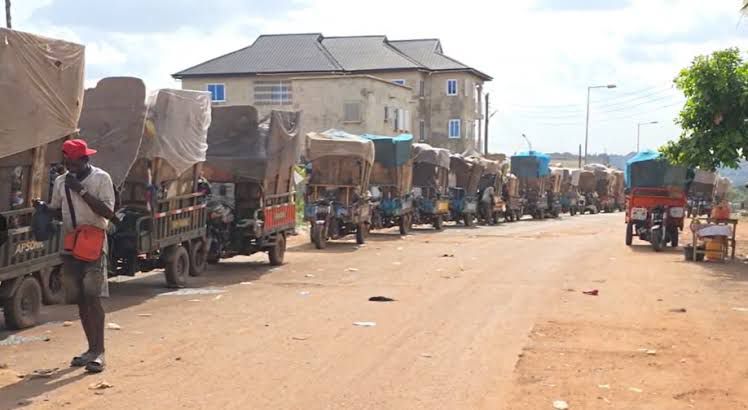
Earlier this week, the crisis became visible to the public as hundreds of waste tricycles were seen stranded in long, winding queues along the road leading to the site, unable to offload refuse due to persistent equipment breakdowns.



The crisis is not merely a matter of space but a systemic failure of regional infrastructure. During the press briefing, Mr. Boadi explained that the facility is currently overwhelmed because, while it was originally designed to serve the Kumasi metropolis, it is now handling waste from thirteen different assemblies across the Greater Kumasi enclave. These include municipalities such as Ejisu, Kwabre East, and Atwima Nwabiagya, all of which rely on this single site.
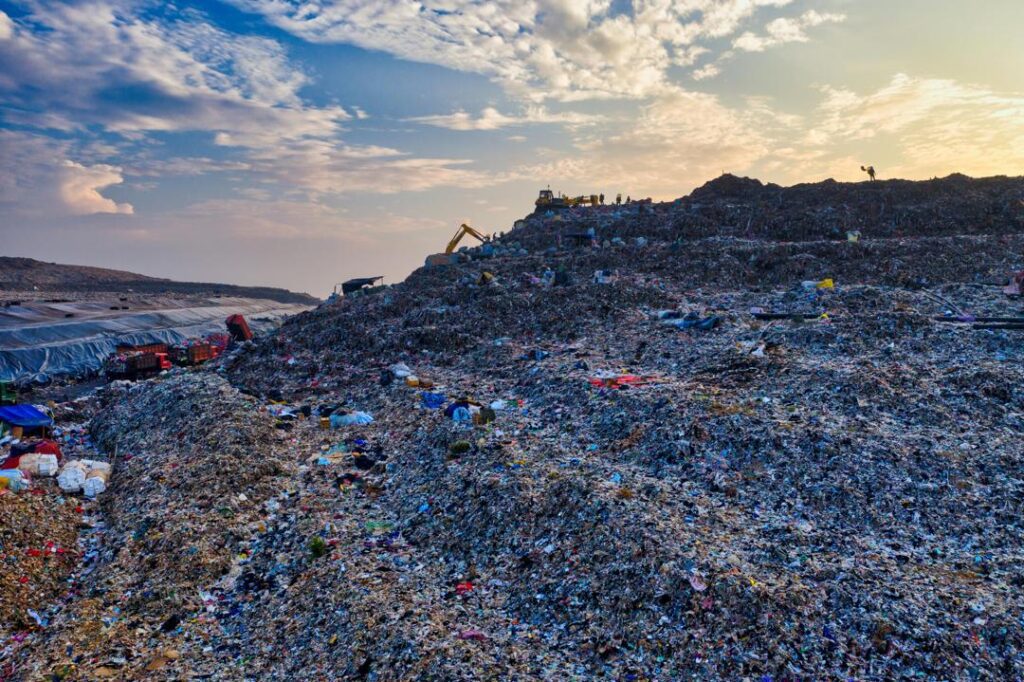
This massive expansion of the service area has funneled upwards of 2,500 to 3,000 tonnes of waste into the site daily volumes that were never intended for a facility of its size. The KMA currently finds itself in the impossible position of bearing the responsibility of managing the waste of these thirteen municipalities using its own meagre resources. Mr. Boadi noted, “KMA has had to bear the responsibility of managing the waste of about 13 municipalities with our own resources.”
He cautioned that while the assembly previously estimated the site had 18 months of lifespan remaining, the surge in volume has slashed that timeline to just 90 days. He warned that if no action is taken, the KMA will be forced to block other assemblies from using
The gravity of the situation is compounded by a severe lack of funding and a total breakdown in secondary waste processing capabilities. Reports indicate that as of April 2026, the KMA owes waste management service providers a staggering 63 million Ghana cedis. This mountain of debt has left the assembly in arrears with landfill managers, who require at least GH₵1.4 million monthly to meet operational costs.
The Assembly estimates that constructing additional landfill cells to expand capacity would cost approximately six million euros, funds that the KMA currently does not have. This financial roadblock is worsened by the shutdown of the Kumasi Compost and Recycling Plant (KCARP).
Despite having the capacity to process 3,000 tonnes of waste daily which would significantly ease the pressure on the landfill the plant has halted operations due to unpaid government debts spanning four years and a subsequent power supply disconnection. Without KCARP, the landfill is the only remaining option, and it is failing under the strain. Furthermore, logistical failures like broken-down equipment and heavy rains have made the site nearly inaccessible, disrupting the work of commercial small-scale waste collectors.
Interim Enforcement and Public Safety Mandates
In an attempt to manage the interim chaos and protect public safety, the KMA has pivoted toward aggressive enforcement and community-led policing. A strict ban on the indiscriminate dumping of refuse has been implemented, covering the Central Business District (CBD) roundabouts and other public spaces. To ensure compliance, the Assembly has announced that offenders will face immediate prosecution and has introduced an incentive program where residents who assist in apprehending violators will receive a portion of the fines imposed.
The Mayor emphasized that the “Garden City” cannot be allowed to return to a state of filth, stating, “If nothing is done urgently about it, within the next three months, we are likely to shut down our final disposal site and stop every assembly within greater Kumasi from dumping their refuse.”
To bridge the gap, the KMA is deploying 1,000-litre dustbins and additional collection vehicles to market centers, though these measures are viewed as temporary stops against a larger structural hemorrhage.
Mr. Boadi concluded by appealing to the central government for the immediate release of funds to settle arrears with service providers and KCARP, emphasizing that collective action and government intervention are the only ways to prevent the city from facing severe environmental degradation by mid-summer.
The Assembly maintains that without a massive infusion of capital and the restoration of power to recycling facilities, the current trajectory will lead to a permanent state of environmental crisis that Kumasi cannot solve on its own. The potential for a breakdown in public health, marked by the threat of cholera and other waste-related diseases, remains a dark cloud over the region as the ninety-day countdown begins.
READ ALSO: Damang Mine Lease Process Was Fair and Transparent – Heath GoldFields Manager