Ghana’s Ministry of Education has approved a nationwide NHIS sensitisation programme alongside an inter-regional quiz competition aimed at strengthening health awareness among students. The NHIS sensitisation programme, endorsed by the Minister for Education, Haruna Iddrisu, follows a meeting with the National Health Insurance Authority led by its Chief Executive Officer, Victor Asare Bampoe.
The initiative, scheduled to run from May to November 2026, will be implemented in collaboration with the Ghana Education Service and will engage Senior High School students across all 16 regions. It is designed to deepen understanding of the National Health Insurance Scheme (NHIS) and promote responsible health-seeking behaviour among young people.
The NHIS sensitisation programme forms part of broader national efforts to improve health literacy and strengthen Ghana’s healthcare financing system, particularly as the country continues to pursue Universal Health Coverage.
Government Targets Health Literacy Through Education
The NHIS sensitisation programme is expected to serve as a key platform for educating students on the structure, benefits, and responsibilities of the NHIS.According to officials, engaging students at the secondary school level is a strategic approach to building a generation that is informed about healthcare access and actively participates in national health systems.
“The initiative will engage Senior High School students nationwide to deepen understanding of the NHIS and promote responsible health-seeking behaviour.”
NHIS Officials
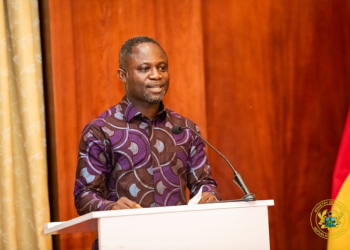
Education Minister Haruna Iddrisu emphasised the importance of integrating health education into academic activities, noting that structured learning platforms such as quiz competitions can significantly improve awareness and retention.
“Engaging students through educational competitions will improve awareness of the scheme and encourage sustained participation,” he indicated.
Hon. Haruna Iddrisu, Minister for Health

The quiz competition, which is central to the programme, will test participating schools on key aspects of the NHIS, including benefits, exemptions, and the importance of enrolment and renewal.
Collaboration Drives Nationwide Implementation
The success of the NHIS sensitisation programme will depend largely on collaboration between key institutions, including the Ministry of Education, the NHIA, and the Ghana Education Service.
The Ghana Education Service will coordinate participation across schools, ensuring that all regions are represented and that the programme reaches a broad student population.On its part, the NHIA will provide technical content and guidance, ensuring that students receive accurate and relevant information about the Scheme. Dr. Victor Asare Bampoe highlighted the importance of sustained public education in strengthening Ghana’s healthcare system.
“This programme is part of our broader efforts to improve awareness and strengthen the role of the NHIS in achieving Universal Health Coverage.”
Dr. Victor Asare Bampoe, CEO of the National Health Insurance Authority
The NHIA has, in recent years, intensified outreach initiatives targeting young people, including programmes such as campus-based enrolment drives aimed at embedding a culture of health insurance participation among the youth. These efforts come at a time when the Scheme continues to expand, with active membership reaching millions of Ghanaians and playing a critical role in ensuring access to affordable healthcare services.
Quiz Competition to Promote Engagement and National Impact
The inter-regional quiz competition is expected to feature selected Senior High Schools from across the country, creating a competitive and engaging platform for learning.Education experts note that quiz-based learning has proven effective in Ghana, particularly in fostering critical thinking, teamwork, and knowledge retention among students.
By incorporating health education into a competitive format, the NHIS sensitisation programme aims to make learning more interactive while reinforcing essential public health messages.

Officials also believe the initiative will have a multiplier effect, as students share knowledge gained from the programme within their schools, families, and communities.In addition to improving awareness, the programme is expected to encourage early enrolment and sustained participation in the NHIS, helping to build long-term trust in the system.The initiative aligns with Ghana’s broader healthcare strategy, which emphasises preventive care, early intervention, and widespread access to essential health services.
Outlook for Health Education and Policy Impact
The rollout of the NHIS sensitisation programme represents a significant step toward integrating health education into Ghana’s broader development agenda.By targeting young people, the programme seeks to address knowledge gaps that often limit effective utilisation of healthcare services, while also promoting a culture of proactive health management.
As the initiative progresses from May to November 2026, stakeholders will focus on participation levels, regional representation, and measurable improvements in student awareness.If successfully implemented, the programme could contribute to increased NHIS enrolment, improved health-seeking behaviour, and stronger public confidence in Ghana’s healthcare system.
Ultimately, the initiative underscores the growing recognition that education and health are closely linked, and that empowering young people with knowledge is essential to achieving sustainable national development.
READ ALSO: Government to Deploy 24,534 Medical Equipment in Major FPH Retooling Drive