
The global financial system continues to demonstrate resilience despite mounting economic uncertainty and geopolitical tensions.
According to the latest Global Financial Stability Report by the International Monetary Fund, financial markets have withstood shocks triggered by the ongoing conflict in the Middle East and broader global volatility.
While markets have experienced fluctuations, the IMF notes that they have avoided the prolonged stress seen during previous financial crises. This stability has largely been supported by improved financial structures and timely interventions from central banks across major economies.
Liquidity facilities introduced by central banks, coupled with structural reforms such as central clearing mechanisms, have played a critical role in ensuring orderly market functioning. These measures have strengthened investor confidence and helped cushion the global financial system against external shocks.
Banking Sector Remains a Pillar of Stability
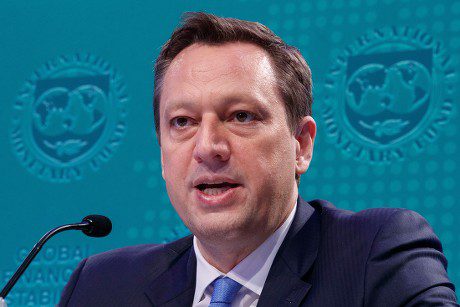
Speaking at the IMF and World Bank Group Spring Meetings in Washington, IMF Financial Counsellor Tobias Adrian emphasized the strength of the global banking sector. He highlighted that banks remain well capitalised and maintain adequate liquidity levels, providing a strong buffer against economic disruptions.
“Financial markets are being challenged by the war in the Middle East. The financial system has been resilient so far… the banking system is not a worry at this point in this particular juncture.”
Tobias Adrian
This assessment underscores the significant reforms implemented since the global financial crisis, which have enhanced the resilience of banks and improved risk management frameworks. As a result, the banking sector continues to play a stabilising role in the global economy.
Underlying Risks Still Persist
Despite the encouraging outlook, the IMF cautions that resilience is not guaranteed across all economies. Emerging markets, in particular, remain vulnerable to shifts in global financial conditions. Non-bank financial flows in these economies are highly sensitive to changes in global risk appetite, which could lead to volatility.
Mr Adrian pointed to several structural vulnerabilities that could undermine financial stability. These include elevated levels of public and private debt, rollover risks, and the interconnectedness between banks and sovereign entities, often referred to as the bank sovereign nexus.
Additionally, fragile bond markets and the rapid growth of private credit pose potential risks. Technology-related investments, while offering opportunities for growth, also introduce new uncertainties that regulators and policymakers must carefully monitor.
Regional Impacts Highlight Uneven Effects
The report also provides insights into how different regions are responding to current global challenges. In sub-Saharan Africa, capital flows have reacted strongly to the Middle East conflict. However, price movements have remained relatively contained, reflecting a stable global risk appetite.
In Asia, economies that depend heavily on oil and food imports are identified as particularly vulnerable. Rising costs in these sectors could strain household incomes and economic stability. To mitigate these effects, the IMF recommends targeted support for low-income households alongside broader macroeconomic measures.
For the Middle East, decisive policy actions have helped sustain financial stability despite ongoing challenges. Liquidity injections by policymakers have supported financial systems, even in the face of inflationary pressures and infrastructure disruptions. Notably, Dollar bond issuance has remained viable, indicating continued investor confidence in the region.
Policy Space Shrinking Across Economies
A key concern raised by Mr Adrian is the diminishing policy space available to governments. Over the past several years, many countries have relied heavily on fiscal and monetary interventions to maintain stability. However, these resources are becoming increasingly constrained.
“Over the past five or six years, oftentimes governments have come in to support financial stability within the policy space. But the policy space has been drawn down in many countries.”
Tobias Adrian
This limitation underscores the need for more strategic and targeted policy responses moving forward. Governments must balance the need to support economic growth with the imperative to maintain financial stability.
Call for Vigilance and Proactive Measures
The IMF is urging countries to remain vigilant and proactive in addressing emerging risks. Close monitoring of financial vulnerabilities is essential, particularly as global conditions continue to evolve.
“Against this backdrop, it is very important for countries to safeguard financial stability by monitoring closely how vulnerabilities are evolving, taking market with intellectual actions where necessary, having strong oversight of the banks and the non-banks and being operationally ready to inject liquidity.”
Tobias Adrian
For emerging markets, the IMF recommends maintaining exchange rate flexibility and implementing credible monetary policies. These measures can serve as effective shock absorbers in times of external stress. Egypt’s recent economic adjustments were cited as a positive example of how such strategies can enhance resilience.
As the global economy navigates an uncertain path, maintaining financial stability remains a top priority. The banking sector’s strength provides a solid foundation, but ongoing risks require careful management.
“Going forward, maintaining financial system stability remains pretty paramount, and in particular, focussing on banking sector and how it could support the real economy after the war as we head towards the next stage of this conflict.”
Tobias Adrian
While the global financial system has proven resilient, sustained vigilance and coordinated policy efforts will be essential to navigate future challenges and ensure long-term stability.
READ ALSO: GFZA Scales Industrial Aftercare as Green Energy Exporters Hit US$12M Milestone