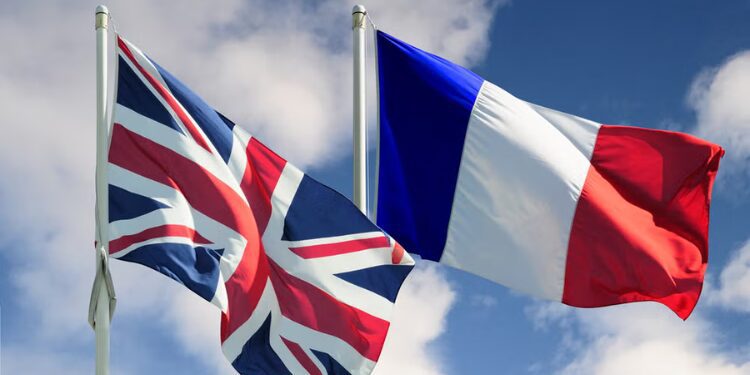
United Kingdom and France have convened military planners from more than 30 nations in a coordinated effort to develop a detailed strategy for reopening the Strait of Hormuz, as disruptions to one of the world’s most critical shipping routes continue to strain global energy markets and supply chains.
The two-day conference, hosted at the UK’s Permanent Joint Headquarters in Northwood, North London, marks a significant step in translating diplomatic agreements into operational military planning.
According to the governments statement, the discussions are aimed at preparing a multinational mission capable of safeguarding maritime traffic through the Strait once conditions allow, particularly following any sustainable ceasefire agreement.
This initiative forms part of a broader UK and French-led coalition effort to ensure the safe passage of commercial vessels through the narrow but strategically vital waterway, which carries around a fifth of the world’s oil supply. The continued disruption has heightened concerns among governments and industry stakeholders, given its direct impact on global trade, energy security and economic stability.
Speaking ahead of the Northwood conference, UK Defence Secretary, John Healey stressed that “the task, today and tomorrow, is to translate the diplomatic consensus into a joint plan to safeguard freedom of navigation in the Strait and support a lasting ceasefire.”
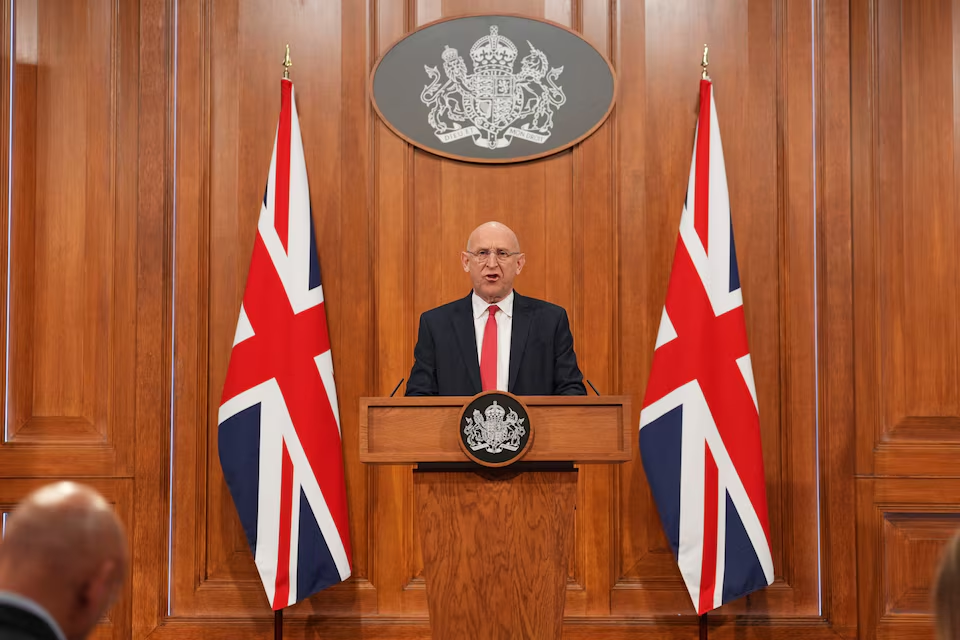
“International trade, energy security and the stability of the global economy depend on freedom of navigation. By building on our common purpose, strengthening multinational coordination and planning for effective collective action, we can help reopen the Strait, stabilise the global economy and protect our people.
“On behalf of people in Britain and internationally whose security and prosperity depend on their success, we are grateful to the planners for their urgency and expertise. We look forward to the outcome of this work.”
John Healey
The conference will concentrate on creating a comprehensive military structure that includes the logistical planning, command and control procedures, and coordination of naval assets needed to deploy forces to the area. When political and security conditions allow, the objective is to make sure that participating countries are ready to respond swiftly and efficiently.
In order to promote our common objectives, the UK and France are trying to make sure that the military plan include as many partners as possible and combines the knowledge of each country.
Global Coalition Backs Diplomatic Push to Reopen Strait of Hormuz
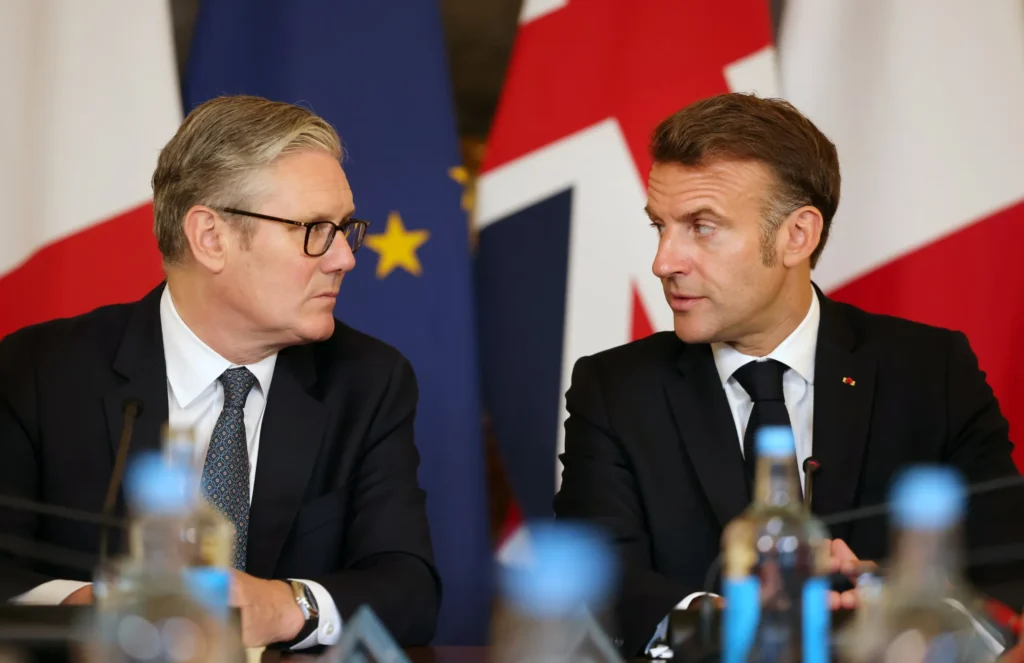
At a recent international summit aimed at re-establishing peace in the Strait of Hormuz, the United Kingdom and France mobilised backing from 51 nations as worries about disruptions to shipping, oil flows, and economic security grow.
A wide coalition of countries came together for the summit, demonstrating what authorities called a shared will to preserve freedom of navigation, defend international law, and safeguard the stability of the world economy.
Prime Minister Sir Keir Starmer and French President Emmanual Macron emphasised that the situation in the Strait, which is where a large amount of the world’s oil travels, has far-reaching consequences, especially for fragile economies and energy markets and as such, strong support for diplomacy is the main means of resolving the problem.
United Kingdom, France, and their allies made it clear that they would use their combined diplomatic, economic, and military might to ensure that ships could cross the Strait safely and continuously. A common demand for the waterway’s rapid, unconditional, and unrestricted reopening described as a pillar of global trade was at the heart of this endeavour.
They also applauded the news that the Strait would reopen, but they emphasised that in order to avoid further harm to international supply chains and financial stability, access must be constant and unbroken. Additionally, they pledged to coordinate their economic reactions and refrain from any protectionist actions that would worsen the effects on international markets.
The conference strengthened support for the International Maritime Organization’s efforts to protect ships and sailors. In order to assist in the resumption of operations as soon as circumstances permit, governments promised to maintain strong collaboration with the shipping sector, including operators, insurance, and pertinent organisations.
Simultaneously, United Kingdom and France announced plans to create an autonomous, exclusively defensive multinational mission to safeguard merchant ships, reassure commercial maritime companies, and conduct mine clearance operations. In keeping with a careful strategy meant to stabilise the situation without raising tensions, they have underlined that the mission will operate entirely within international law and in collaboration with pertinent parties.
Several nations have already expressed their willingness to help the endeavour financially, militarily, logistically, or politically. Additionally, the alliance issued a broader appeal for involvement, inviting countries that value unrestricted international trade to back the endeavour.
READ ALSO : UK Overhauls Ofgem to Strengthen Consumer Protections in Energy Market