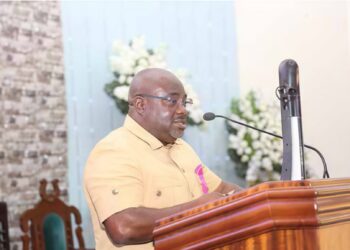

The Member of Parliament for Gushegu, Alhassan Tampuli, has renewed calls for Parliament to expedite the passage of the Human Sexual Rights and Family Values Bill, insisting that further scrutiny of the legislation is unnecessary.
Speaking during proceedings, the Ranking Member of the Constitutional and Legal Affairs Committee emphasized that the bill has already undergone extensive review and should be passed without delay.
According to him, the current version of the bill retains nearly all provisions from its earlier iteration during the eighth Parliament, apart from minor changes such as dates.
He argued that the substance of the legislation remains intact and widely accepted, making additional deliberation redundant. “We do not have to do much to this bill,” he stated, stressing that Parliament should focus on moving the process forward.
His comments come as the Committee on Constitutional and Legal Affairs begins a three day meeting in Accra to consider the proposed bill, bringing together lawmakers and stakeholders for further deliberations.
Confidence in the Bill’s Content
Hon. Tampuli expressed confidence that the bill’s provisions are fit for purpose, noting that lawmakers have already subjected it to thorough examination. He maintained that the clauses have been carefully studied and debated, leaving little room for substantial amendments.
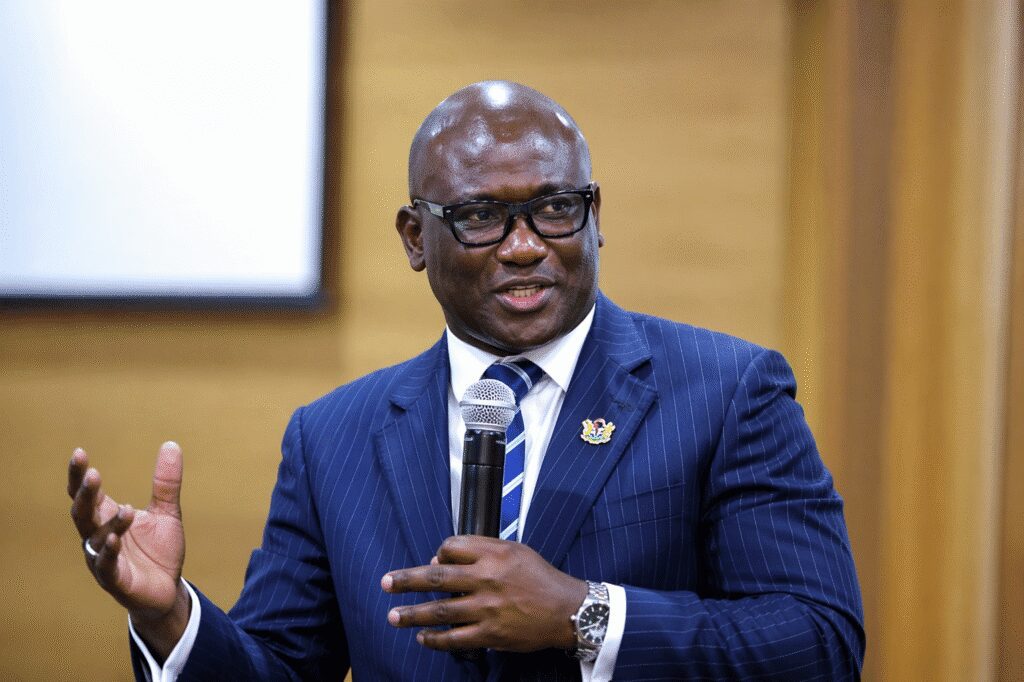
He acknowledged that some suggestions have been submitted by stakeholders but insisted that these should only be considered on their merits without altering the core structure of the legislation. “The body of the law remains the same,” he said, indicating that the bill’s foundation should not be changed.
The MP’s position reflects a broader sentiment among some lawmakers who believe that the legislative process has reached a stage where swift action is required to bring closure to the matter.
Support for Expedited Process
The push for urgency has also been echoed by key sponsors of the bill, including Samuel Nartey George. He has urged the Committee to fast track its work to ensure that the bill is passed and presented to the President for assent without unnecessary delay.
Samuel George argued that similar legislation in other African countries has not resulted in economic sanctions, suggesting that concerns about potential international repercussions should not hinder Ghana’s legislative process. He cited examples such as Senegal, where comparable laws have been enacted and even strengthened.
Despite advocating for speed, he emphasized the importance of adhering to parliamentary procedures. He noted that the process for passing a private member’s bill must be followed strictly at every stage to ensure legitimacy.
The debate surrounding the bill has drawn strong interest from religious and social organizations. The Ningo-Prampram MP highlighted the role of influential bodies such as the Catholic Bishops Conference and the Office of the National Chief Imam, both of which have expressed support for the legislation.

He described their interventions as significant, noting that they reflect the sensitivity and importance of the issue. According to him, Parliament has a responsibility to consider these perspectives as it deliberates on the bill.
“We have been told that the Chief Imam’s wish is to see this bill passed,” he said, adding that lawmakers should respond to such appeals with urgency. The involvement of these groups underscores the broader societal engagement with the bill and the expectations placed on Parliament to act decisively.
Ongoing Committee Deliberations
The ongoing committee sessions are expected to shape the final outcome of the bill. Over the course of the three day meeting, members will review submissions, assess stakeholder input, and deliberate on any proposed changes.
While some lawmakers are calling for minimal adjustments, the process allows for further discussion to ensure that all viewpoints are considered. Observers note that the committee’s recommendations will be critical in determining the pace and direction of the bill’s progress.
The deliberations also provide an opportunity to address concerns raised by various stakeholders, ensuring that the legislative process remains transparent and inclusive.
Balancing Speed and Due Process
The call for swift passage highlights the balance Parliament must strike between expediency and due process. While proponents argue that the bill is ready for enactment, others emphasize the need for careful consideration to ensure that the legislation reflects a broad consensus.
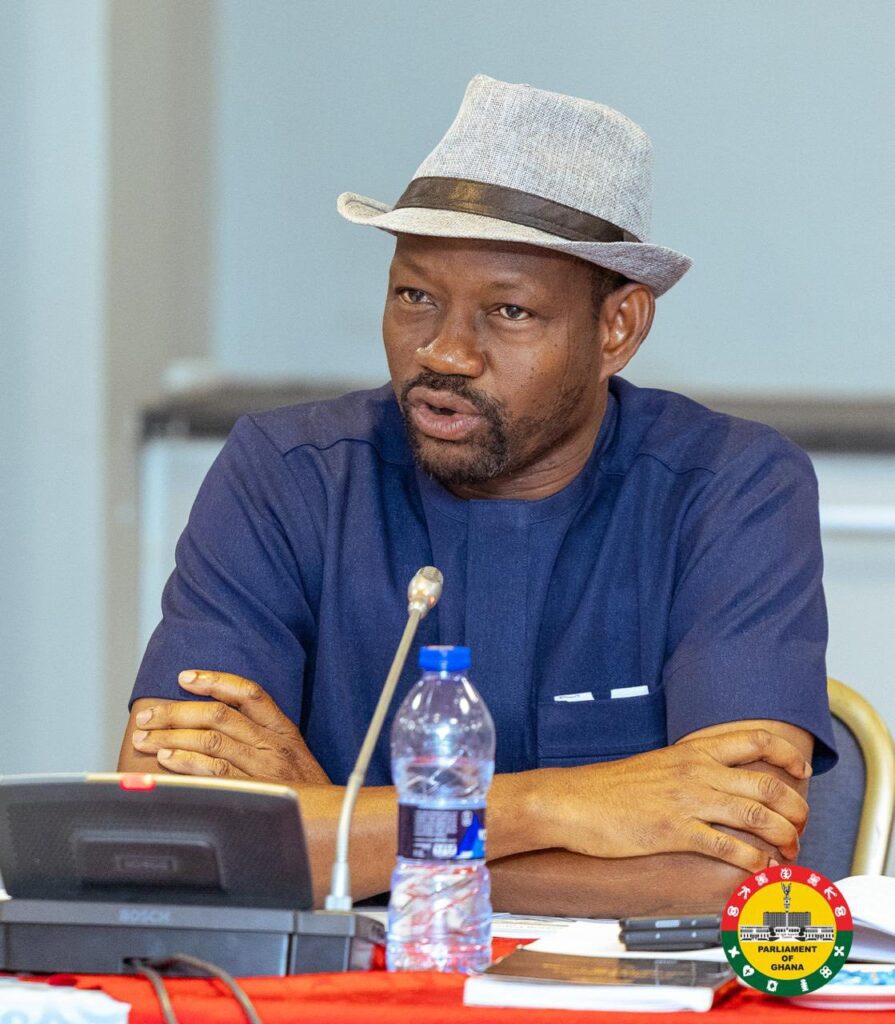
Tampuli acknowledged the importance of procedure but maintained that it should not result in unnecessary delays. He reiterated that the bill has already been extensively reviewed and that Parliament should proceed with confidence.
The debate reflects broader questions about how Parliament manages complex and sensitive legislation while maintaining public trust and institutional credibility.
As deliberations continue, attention will remain on how Parliament navigates the competing demands of urgency and thoroughness. The outcome of the committee’s work will determine the next steps in the legislative process and the timeline for its passage.
For now, the strong advocacy from key lawmakers suggests that momentum is building toward a final decision. Whether Parliament will act swiftly as urged or allow for extended debate will depend on the outcome of ongoing discussions.
READ ALSO: Carlos Queiroz “Honoured” to Lead the Black Stars