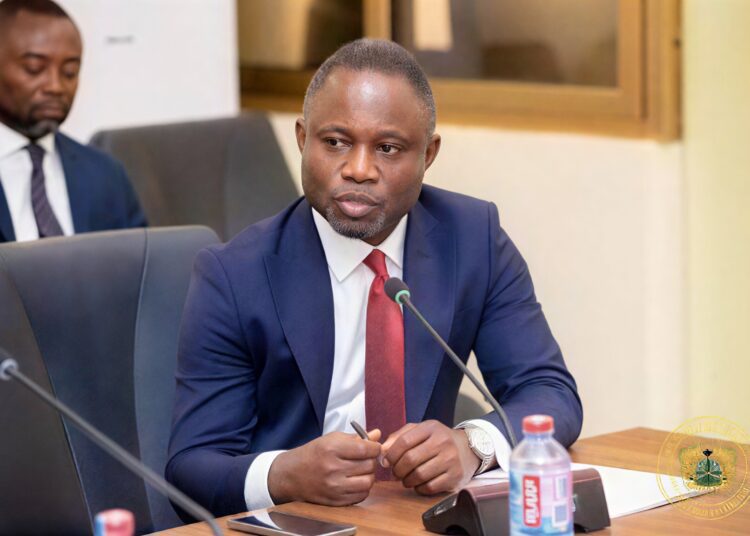
The Minister of Health and Member of Parliament for Juaboso, Honourable Kwabena Mintah Akandoh has disclosed that government is advancing major reforms aimed at strengthening emergency healthcare delivery across the country. He explained that consultations are underway ahead of plans to present legislation to Parliament on emergency response systems.
Speaking at the 2026 Ghana Health Service Senior Managers Meeting in Accra, the Health Minister, Honourable Akandoh, said the initiative followed a directive from President John Dramani Mahama during the 2026 State of the Nation Address. The legislation is expected to establish a stronger legal framework for emergency medical interventions and improve access to urgent care.
The Juaboso MP indicated that stakeholder engagements remains an important part of the process before the proposed law reaches Parliament. He added that health sector professionals and institutions would be invited to contribute ideas that could strengthen the final legislation.
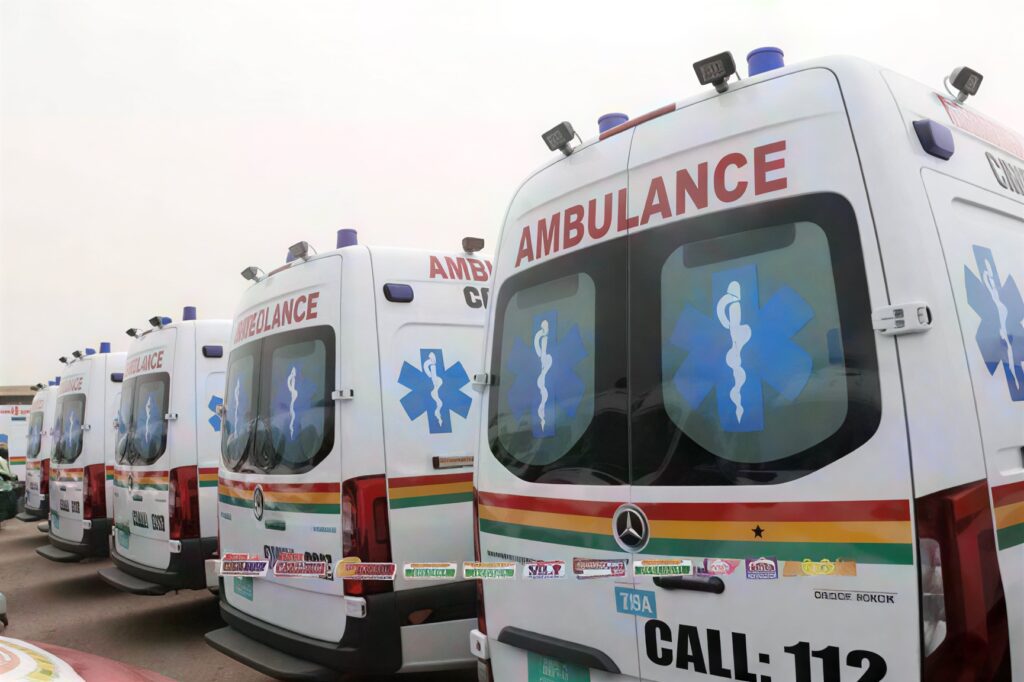
“We are at the stakeholder consultation stage and we intend to gather views from across the health sector before taking the proposal to Parliament. The objective is to create a stronger emergency response system that serves every citizen effectively.”
Honourable Kwabena Mintah Akandoh
He also revealed that government is considering a policy that would make the first 24 hours of emergency treatment free for patients. However, he noted that extensive consultations and financial assessments would be required before implementation.
The Health Minister explained that investigations into the persistent no bed syndrome has uncovered financial barriers that affect the willingness of some facilities to admit emergency patients. Consequently, government is examining funding mechanisms that would guarantee prompt reimbursement to health institutions.
“We have realised that the challenge is not only about the availability of beds. In many cases, concerns about payment influence decisions, and we are working on reforms that will assure facilities that they will be compensated.”
Honourable Kwabena Mintah Akandoh
He stated that ensuring reliable financing could encourage hospitals to accept emergency cases without hesitation. Such interventions, he said, would complement efforts already being undertaken to improve service delivery within the healthcare system.

Furthermore, Honourable Akandoh stressed that increasing bed capacity alone would not resolve pressure on secondary and tertiary healthcare facilities. He observed that patient management, financing arrangements and efficient referrals must all form part of a broader strategy to improve healthcare outcomes.
The Minister emphasised that government is committed to introducing practical measures capable of saving lives and improving public confidence in the health sector. He added that the proposed reforms would contribute significantly to building a more responsive emergency care system across Ghana.
Digital Bed Tracking System Targets No Bed Syndrome Crisis
The Health Minister announced a series of digital interventions designed to improve patient referrals and eliminate inefficiencies associated with the no bed syndrome. The measures are part of a wider effort to improve patient experiences across health facilities.
Honourable Akandoh observed that recent public concerns over delayed referrals and patient safety incidents have highlighted the need for stronger healthcare management systems. He stated that public policy would ultimately be judged by the quality of care received by patients.
To address the challenge, he disclosed that a digital command centre has been established at the Greater Accra Regional Hospital, popularly known as Ridge Hospital. The facility is expected to provide real time information on bed occupancy and patient movement within participating hospitals.
According to the Minister, the initiative is currently being piloted between regional hospitals and teaching hospitals. The system will allow health authorities to identify available beds and facilitate faster referrals for patients requiring specialised care.

“We want to reach a stage where health managers can instantly know where beds are available, where they are occupied and how long patients have stayed. The technology will support quicker decisions and improve patient care.”
Honourable Kwabena Mintah Akandoh
The Juaboso MP explained that health authorities have completed a nationwide count of hospital beds and assigned digital barcodes to support monitoring. Testing and data input processes are currently ongoing as part of preparations for full implementation.
Meanwhile, government is also taking steps to improve the utilisation of critical care facilities. Honourable Akandoh said President John Dramani Mahama has directed that certain specialised facilities be opened for public use to ease pressure on major hospitals.
He disclosed that a steering committee comprising chief executives of key hospitals was being established to coordinate patient transfers and strengthen collaboration among health institutions. The arrangement is expected to improve efficiency and ensure continuity of care.
The Minister said government is determined to prevent avoidable deaths linked to delays in securing hospital beds. Therefore, temporary interventions are being pursued alongside plans for a permanent trauma and emergency care facility.
READ ALSO: 8,000 Newly Recruited Health Workers to Start Work in July