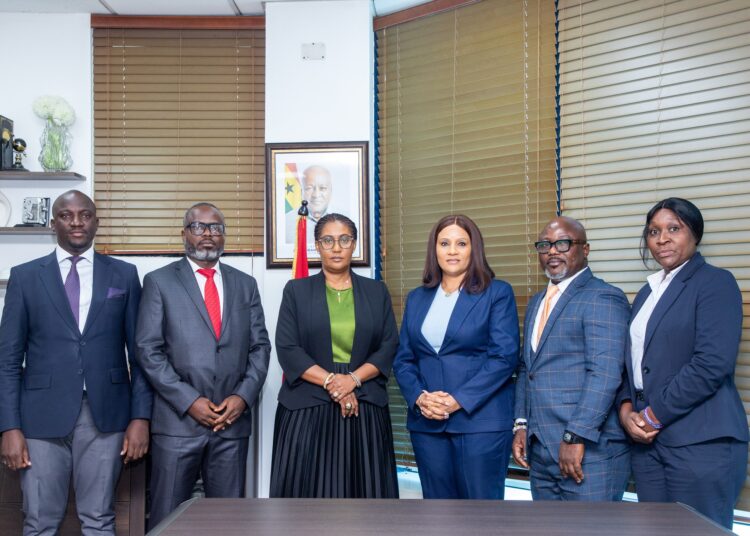
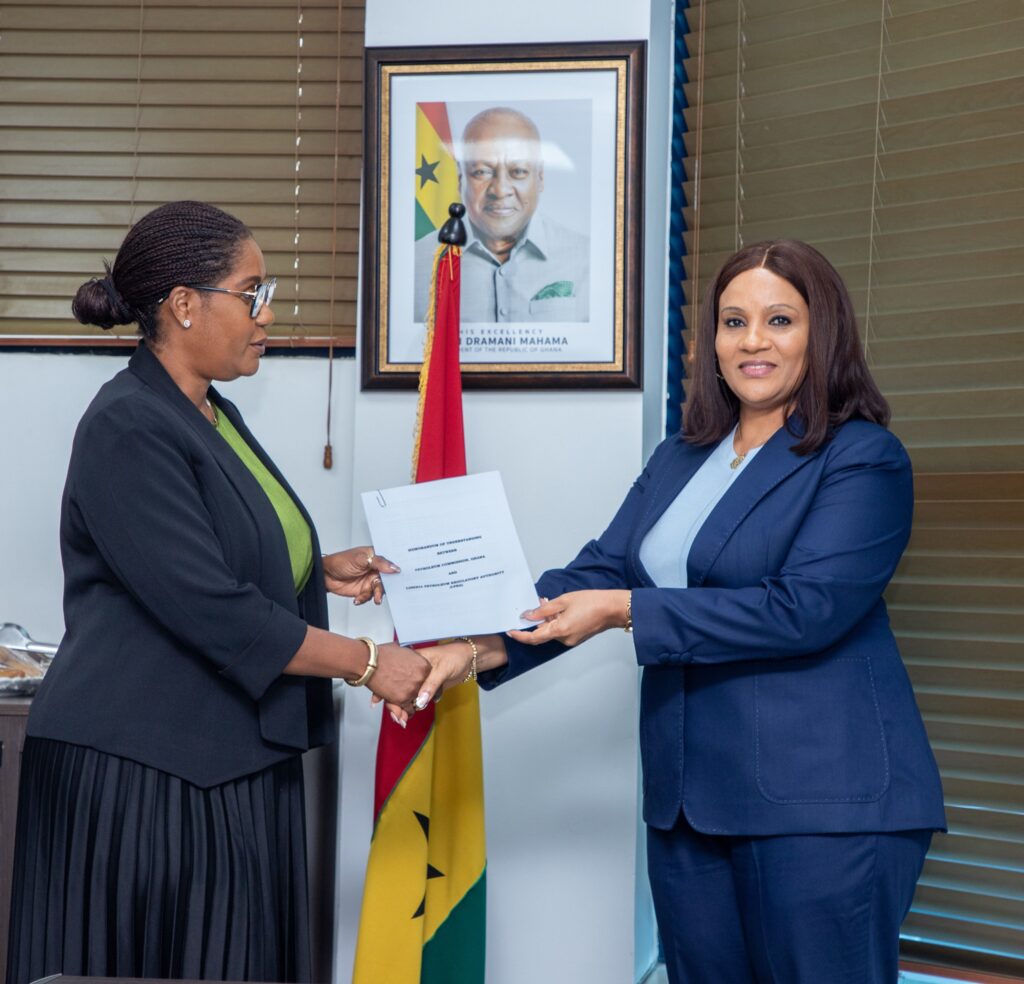
Petroleum Commission of Ghana and Liberia’s Petroleum Regulatory Authority has signed a landmark Memorandum of Understanding (MoU) aimed at strengthening regulatory cooperation, knowledge sharing, and stakeholder engagement.
This historic bilateral agreement establishes a structured framework for both West African nations to maximize the long-term benefits of their respective hydrocarbon resources.
As emerging and established oil producers in the sub-region, the two regulatory bodies are aligning their institutional capacities to navigate the complex economic realities of the global energy transition while ensuring that domestic oil and gas extraction yields optimal developmental value.
“The Petroleum Commission and Liberia’s Petroleum Regulatory Authority earlier today signed a Memorandum of Understanding (MoU) aimed at strengthening regulatory cooperation, knowledge sharing and stakeholder engagement as both countries seek to maximise the benefits of hydrocarbon resources while navigating the global energy transition.”
Petroleum Commission of Ghana
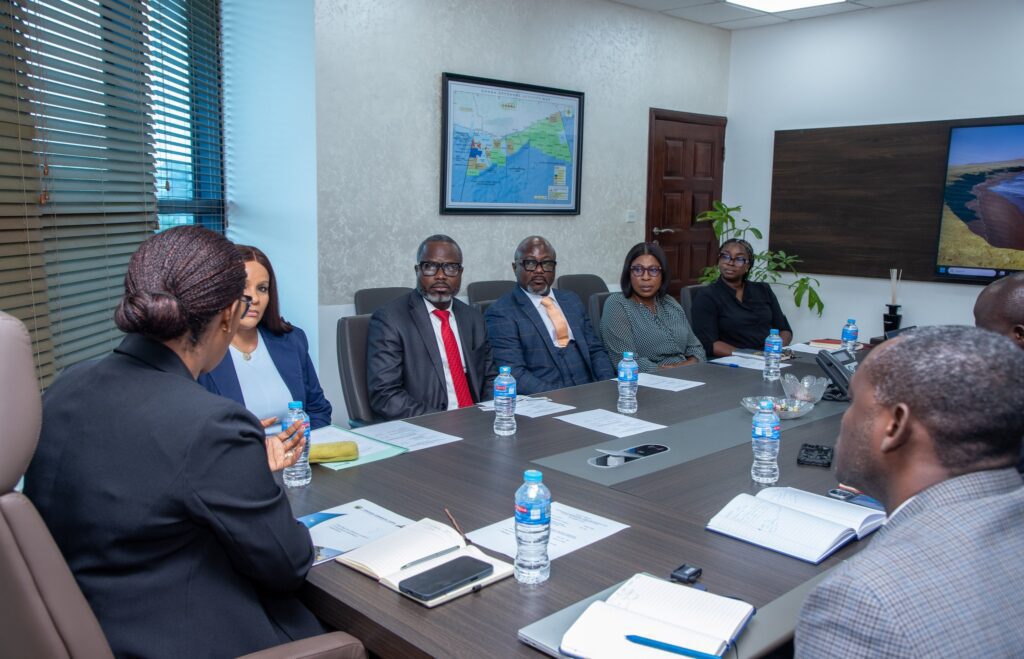
Seeking to build upon this newly established partnership, the regulatory institutions intend to deploy joint technical initiatives, peer-to-peer exchange programs, and harmonized cross-border policies to streamline their upstream oil operations.
This collaborative expansion will directly allow Liberia to draw upon Ghana’s extensive fifteen-year tenure in commercial oil production, particularly utilizing its sophisticated regulatory architectures developed since the discovery of the Jubilee Field.
Simultaneously, the framework provides Ghana an avenue to co-develop fresh strategies for deepwater exploration and cross-border investments with its West African neighbor.
By synchronizing their legal and operational benchmarks, both nations are positioning themselves to mitigate the financial and logistical risks that frequently disrupt independent oil-producing states across the continent.
Driving Local Content Expansion and Cross-Border Technology Transfers
The collaborative framework established by this agreement provides an unprecedented mechanism to accelerate local content development across the West African oil and gas value chain.
For years, regional actors have critiqued the heavy reliance on foreign engineering, procurement, and construction firms, which often results in capital flight and limited domestic workforce development.
Through this strategic alliance, the primary focus will pivot toward building joint capacity, meaning “Ghanaian and Liberian service companies can now form joint ventures to bid for high-value upstream contracts across both jurisdictions.”
This structural shift allows local suppliers to pool their financial resources, upgrade their technical certifications, and compete directly with multi-national oilfield service providers.
Optimizing Upstream Fiscal Regimes and Attracting Foreign Direct Investment
A unified regulatory front drastically alters the investment landscape for international oil companies (IOCs) searching for stable, predictable markets in Sub-Saharan Africa.
In recent years, shifting global policies and fluctuating oil prices have made capital allocation highly competitive, forcing frontier markets to re-evaluate their fiscal terms.
Under this new alliance, the two nations intend to exchange critical data on upstream fiscal regimes, tax structures, and production-sharing contract models to eliminate competitive undercutting.
By aligning their investment incentives rather than competing aggressively against one another, they create a standardized, highly attractive investment zone within the Gulf of Guinea that commands greater leverage when negotiating with global oil conglomerates.
This harmonization is particularly beneficial for attracting Foreign Direct Investment (FDI) into frontier basins, such as Liberia’s un-allocated offshore blocks, where geological risks are high and infrastructure is minimal.
When global investors see a neighbor state backed by the proven, transparent regulatory track record of Ghana, the perceived political and legal risks of entering that new market drop significantly.
The alliance effectively signals to international financiers that any operation initiated in this regional cluster will be governed by mature, reliable, and legally secure administrative practices. This increased investor confidence is anticipated to drive a new wave of exploratory drilling, seismic data acquisition campaigns, and deepwater infrastructure financing.
Navigating the Global Energy Transition and Promoting Sustainable Hydrocarbon Extraction
Integrating oil extraction with decarbonization targets represents the most complex challenge addressed by this historic agreement.
As international climate mandates push for a rapid shift away from fossil fuels, African oil producers face the dual burden of lifting their populations out of energy poverty while simultaneously reducing industrial emissions.
This partnership explicitly addresses this dilemma by formalizing a shared strategy for “low-carbon hydrocarbon management,” ensuring that future extraction projects incorporate strict environmental safeguards.
Both regulatory bodies will collaborate on enforcing zero-routine-flaring policies, minimizing methane leakages across production infrastructure, and exploring carbon capture and storage possibilities within depleted offshore reservoirs.
READ ALSO: 8,000 Newly Recruited Health Workers to Start Work in July