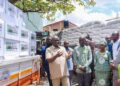

The Government of Ghana has fully settled outstanding payments to road contractors, a development officials say is already accelerating progress on major infrastructure projects across the country. This assurance was given during an inspection of the Kasoa to Winneba dualisation project by President John Dramani Mahama.
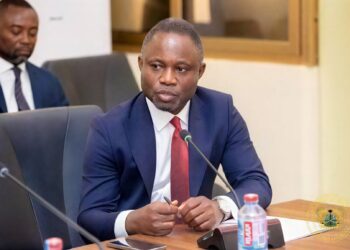
Minister for Roads and Highways Kwame Governs Agbodza revealed that over 12 billion Ghana cedis has been paid toward inherited road projects, underscoring what he described as a strong commitment to continuity and infrastructure development.
“As of last month, you have paid over 12 billion Ghana cedis to projects you inherited,” the Minister stated, emphasizing that none of these payments were directed toward newly initiated projects but rather to ongoing ones that required urgent financial intervention.
He noted that the decision to continue and fund inherited projects reflects a deliberate policy direction aimed at ensuring that critical national infrastructure does not stall due to political transitions.



Commitment to Infrastructure Continuity
The Roads Minister praised the President’s approach to governance, particularly his directive that no inherited road project should be abandoned. According to him, this policy has restored confidence among contractors and stakeholders within the construction sector.
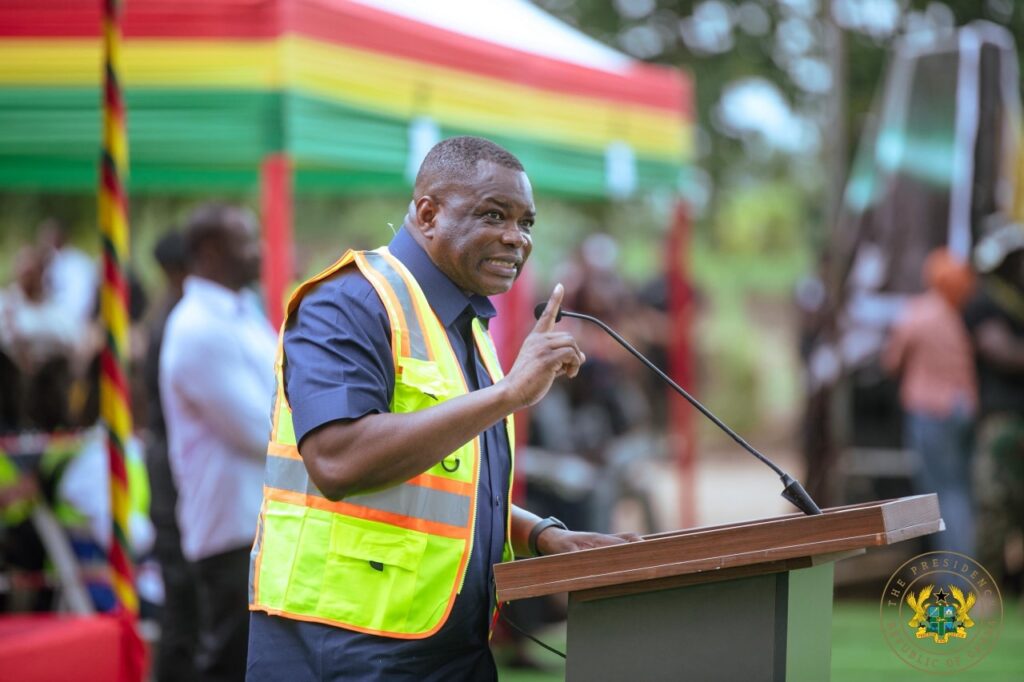
“Other leaders might have walked away from projects they did not start, but you directed that no road project should be suspended,” he said, describing the move as a defining feature of the current administration’s infrastructure strategy.
The Kasoa to Winneba corridor, he added, remains one of the most critical transport routes in the country, linking major economic zones and serving thousands of commuters daily. The government’s focus on completing such projects is therefore seen as essential to improving mobility and supporting economic activity.
President Mahama reaffirmed the government’s commitment to the Big Push infrastructure programme, which prioritizes large scale investment in roads and other critical sectors. He confirmed that all contractors under the initiative have been paid in full for certified work completed so far.
“As we speak today, we do not owe any Big Push contractor even one cedi. All the certificates they brought, we paid them,” the President said. He explained that timely payments are central to maintaining project momentum, as they enable contractors to mobilize resources and meet construction timelines without financial constraints.
The President added that the government will continue to honor payment obligations promptly, ensuring that projects progress efficiently and without unnecessary delays.
Accelerated Completion Timeline
Although the Kasoa to Winneba project was initially scheduled for completion in March 2027, the government is now working closely with contractors to deliver the project ahead of schedule. The Roads Minister indicated that the target has been revised to December 31, 2026.
“We are working with the contractor to complete this project this year, three to four months ahead of schedule,” he said, noting that the contractor has committed to meeting the accelerated timeline.

This push for early completion is expected to ease congestion along the corridor sooner than anticipated, bringing relief to commuters who have endured prolonged traffic disruptions.
The Minister acknowledged the inconvenience experienced by road users, particularly during peak periods when construction activities intensify. He assured the public that measures are being put in place to reduce disruptions and improve traffic flow in the interim.
He disclosed that some of the most challenging sections of the project, which are currently inaccessible, are expected to be opened within three weeks. This will allow traffic to be redirected, enabling construction to continue on alternative lanes.
“The frustration of the public, which we share, will be addressed as we open sections of the road for use,” he said. The phased opening of completed sections is part of a broader strategy to balance construction progress with the need to maintain traffic movement along the busy corridor.
Supporting Local Contractors and Jobs
The government’s approach to infrastructure development also places strong emphasis on supporting local contractors and creating employment opportunities. The Roads Minister highlighted that investments in road construction are directly benefiting Ghanaian workers and businesses.
“The investment in road infrastructure goes to the Ghanaian contractor and the Ghanaian worker,” he said, adding that this approach contributes to job creation and skills development within the construction industry.
President Mahama echoed this sentiment, stating that the quality of work being delivered demonstrates the capacity of local firms to execute large scale projects to high standards.
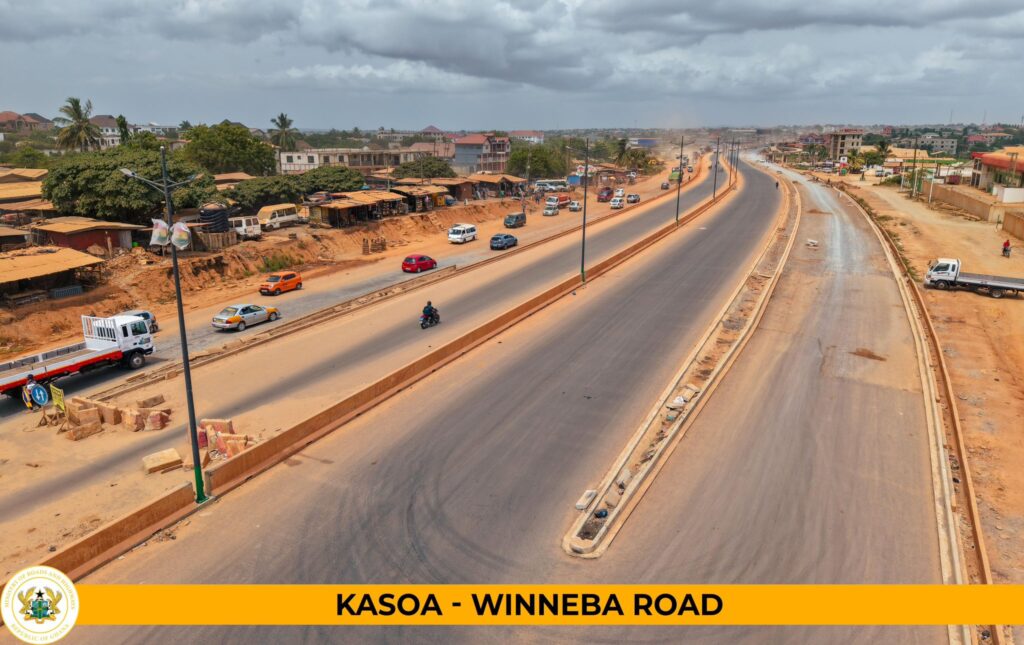
Beyond easing traffic congestion, the completion of major road projects is expected to have broader economic benefits. Improved road networks enhance connectivity between regions, reduce transportation costs, and facilitate trade and investment.
The Kasoa to Winneba corridor, in particular, plays a vital role in linking Accra to the Central and Western Regions, making it a key artery for commerce and tourism.
By ensuring that contractors are paid on time and projects are completed efficiently, the government aims to unlock these economic benefits and support national development goals.
Sustaining Infrastructure Investment
The government’s ability to clear contractor arrears and maintain consistent funding for projects is seen as a positive signal for the construction sector. It not only boosts confidence among contractors but also attracts further investment into infrastructure development.
The Roads Minister emphasized that the government remains committed to sustaining this momentum, with plans to continue investing heavily in road infrastructure.
He described the current phase of development as one of the most significant in Ghana’s history, with the potential to transform the country’s transport network and support long term economic growth.
As work progresses on the Kasoa to Winneba dualisation project and other infrastructure initiatives, expectations remain high that the government’s strategy will deliver tangible results.
The combination of timely payments, strong contractor engagement, and accelerated timelines is expected to ensure that projects are completed efficiently and to the required standards.
With continued focus and execution, the government’s infrastructure agenda could mark a turning point in the development of Ghana’s road network, improving mobility, creating jobs, and supporting economic expansion.
READ ALSO: Dangote Targets East Africa With New 650,000bpd Refinery Plan