Mr. Joshua Batsa Narh, Executive Chairman of the Energy Chamber Ghana, has raised an urgent alarm regarding the deepening investment stagnation within Ghana’s upstream petroleum sector, a trend that threatens to undermine the nation’s long-term energy security and fiscal stability.
This warning issued by the Chamber Chairman in an interview with The Vaultz News, anchored in the latest findings from the Public Interest and Accountability Committee (PIAC), highlights a critical cessation of new licensing activity that has persisted since 2018.
As global energy markets shift, the lack of new petroleum agreements an unusually extended period for a major offshore producer risks accelerating a decline in production capacity that has already been observed over the last six consecutive years.
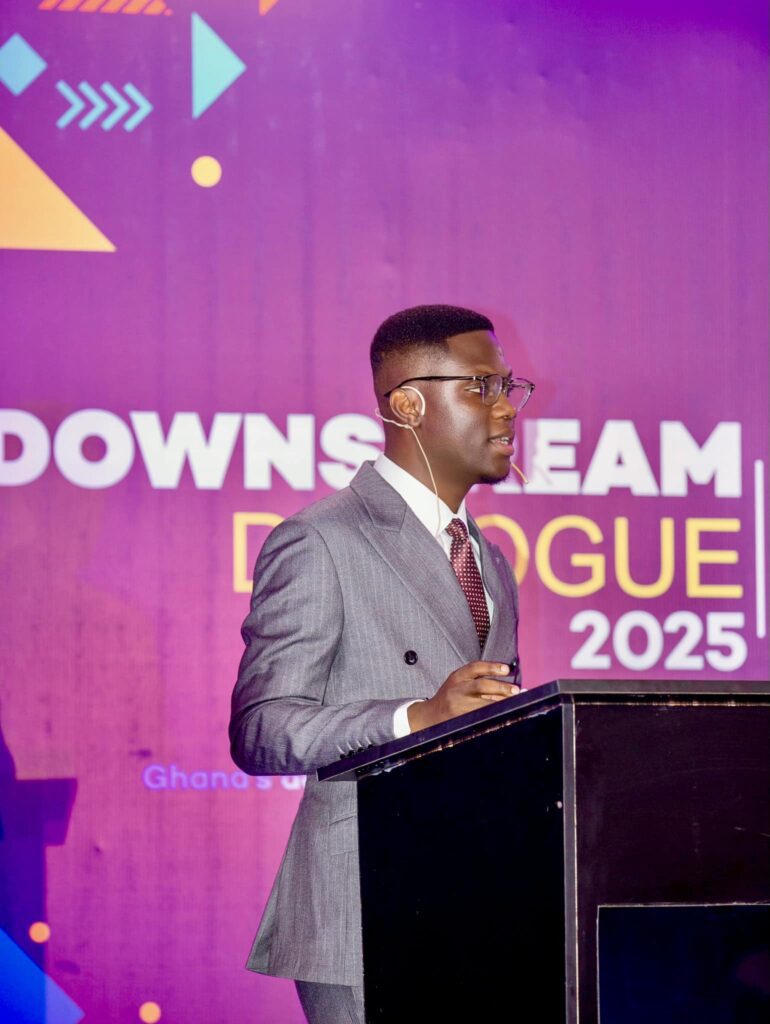
“Third – investment stagnation is the biggest strategic risk highlighted by PIAC. The report reiterates that no new petroleum agreement has been signed since 2018, which is unusually long for an offshore-producing jurisdiction seeking to sustain reserves replacement. Globally, once licensing pauses extend beyond 5–7 years, reserve replacement ratios begin to deteriorate rapidly.”
Mr. Joshua Batsa Narh, Executive Chairman of the Energy Chamber Ghana

The stagnation in exploration activity is not merely a procedural oversight; it represents a fundamental threat to Ghana’s ability to replace depleting oil reserves.
Data indicates that global industry standards suggest a rapid deterioration in reserve replacement ratios once licensing pauses exceed five to seven years, a threshold Ghana has now surpassed.
This inertia has created a “managed-maturity” scenario, where aging fields like Jubilee, TEN, and Sankofa are experiencing natural depletion without the necessary influx of fresh exploration capital to revitalize the basin.
Consequently, the fiscal strain is becoming acute, with petroleum revenues suffering significant volatility, leaving the national budget vulnerable and straining the capitalization of essential infrastructure and national participation vehicles.
The Cost of Stagnation: A Dwindling Revenue Stream
The economic consequences of this investment drought are stark, manifesting in a sharp contraction of national petroleum receipts. With no new agreements to bring fresh fields online, the sector has become overly dependent on a shrinking output from maturing reservoirs.
Many Experts also note that as production volumes erode falling from a peak of over 71 million barrels in 2019 to significantly lower levels in 2025 the government loses its ability to fund critical development initiatives.
This “starvation of fresh investment” directly impacts the Annual Budget Funding Amount (ABFA), starving national infrastructure projects of capital and undermining the state’s capacity to build fiscal buffers.
The reliance on existing, declining assets exposes the economy to price shocks and operational inefficiencies, as the lack of capital prevents the technical interventions required to optimize recovery from complex, deep-water fields.
Transitioning to a Managed-Maturity Framework

Addressing this stagnation requires a departure from passive governance toward an active, strategic engagement with the global energy market.
As an energy and green transition observer, it is clear that the solution lies in a dual approach: aggressively recalibrating fiscal terms to make Ghana’s offshore landscape competitive again and integrating these efforts into a broader transition strategy.
“Increasing investments will ultimately lead to higher production,” observers argue, emphasizing the need for international roadshows and transparent engagement with global oil firms.
By modernizing the licensing cycle and resolving persistent regulatory uncertainties, Ghana can pivot from its current downward trajectory to a more resilient, technology-driven production model that preserves basin life while positioning the nation to leverage its gas resources for the broader energy transition.
The Path Toward Upstream Recovery
The roadmap for recovery is documented within the PIAC report, which serves as a clarion call for policy recalibration.
Beyond the immediate need to restart licensing, there is an imperative to strengthen the capitalization of national participation vehicles, ensuring that the country’s stake in its resources is both profitable and sustainable.
The current period of “managed-maturity” must be utilized to upgrade infrastructure, improve local technical capacity, and provide the policy stability required to attract high-quality, long-term capital.
As the sector evolves, the synergy between petroleum sector recovery and the push for green transition initiatives will be vital; effectively managing the decline of fossil fuel production while channeling its remaining value into sustainable energy infrastructure offers the most viable pathway to maintaining national prosperity in an era of global decarbonization.
READ ALSO: UKEF Announces Finance Partnership to Boost Veteran-Led Export Growth