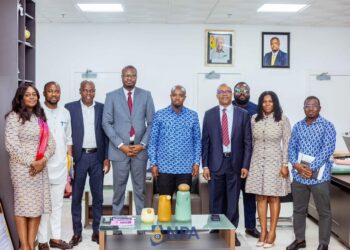
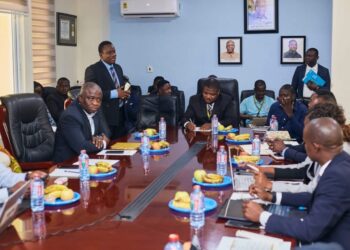
Mr. Isaac Tandoh, Chief Executive Officer of the Minerals Commission, has served a stern warning that the Government of Ghana will no longer tolerate the subversion of national mining laws by entities hiding behind the facade of foreign investment.
This firm stance follows the decisive move by the Minister for Lands and Natural Resources, Honourable Emmanuel Armah-Kofi Buah, to revoke the Akango, Salman, and Nkroful mining leases previously held by Adamus Resources Ltd.
“The Minerals Commission will not condone the abuse of mineral rights, the destruction of the environment, or the subvention of our laws under the disguise of investments. The use of foreign operators to conduct illegal mining under the cover of a lease, companies that act with impunity, discard our regulatory authority, and endanger our land, water, and communities will face the full rigours of these same laws.”
Mr. Isaac Tandoh

The decision, which was grounded in evidence from a rigorous inspection by the Commission’s Inspectorate Division, highlights a systematic breach of the Minerals and Mining Act 2006 (Act 703).
Investigations revealed that Adamus Resources had unlawfully assigned mineral rights to third parties without mandatory ministerial consent, while simultaneously operating without approved mining plans or valid permits.
Furthermore, the sites were found to be plagued by illegal mining activities, including the unauthorized engagement of foreign nationals and significant environmental degradation that poses severe risks to public health and water bodies.
Restoring Integrity through Regulatory Enforcement

The revocation of these leases signals a pivotal shift toward rigorous enforcement of Ghana’s regulatory framework.
By taking “lawful, evidence-based action” to protect the nation’s natural resources, the Commission is setting a precedent that compliance is not optional.
The Ministry of Lands and Natural Resources has made it clear that while Ghana remains open to “responsible investment,” the regulatory authority of the state is paramount.
This enforcement action serves to deter other operators from discarding legal obligations, effectively curbing the culture of impunity that has historically allowed some companies to bypass environmental and technical standards.
Moreover, the move highlights the Commission’s commitment to holding both the company and its directors accountable.
As noted, the revocation is “without prejudice to criminal charges” against the perpetrators, with the Commission collaborating closely with the Attorney General’s office to ensure that justice is served.
Such decisive legal actions are essential for maintaining a level playing field, ensuring that the mining sector contributes equitably to the state’s coffers while safeguarding the environment for future generations.
Empowering Indigenous Participation
Beyond punitive measures, the Commission is actively enforcing a strategic shift to ensure that mining operations in the country benefit the local population.
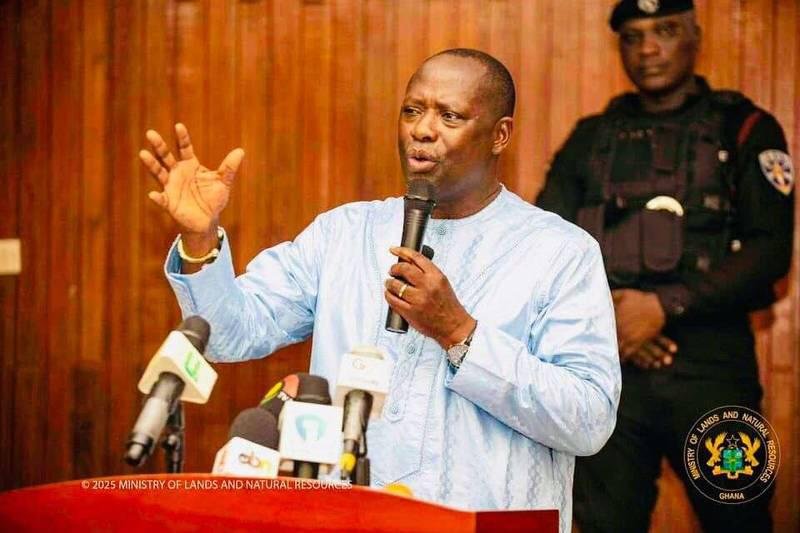
Mr. Tandoh emphasized that the requirement for contract mining to be reserved for indigenous Ghanaian companies or involving a 50% partnership for underground operations is a “deliberate strategy to empower indigenous Ghanaian firms.”
This policy, integrated into the Local Content Procurement List in early 2025, aims to move local businesses beyond mere sub-contracting, fostering full beneficiation of mineral resources.
The Commission noted that the majority of multinational companies have already successfully transitioned to comply with these local content requirements, proving that the directive is both feasible and industry-accepted.
By mandating that these operations move away from illegal subcontracting to transparent, licensed, and technically supported indigenous partnerships, the government is building a more resilient and inclusive mining ecosystem.
This structured transition is intended to sanitize the extraction sector, moving it away from the chaos of unauthorized foreign operators and toward a framework defined by legality, sustainability, and national ownership.

Protecting the Future of Mining
Ultimately, the Minerals Commission is positioning itself as a vigilant regulator, utilizing “unannounced inspections” and strict legal oversight to safeguard the nation’s heritage.
The message to the industry is clear: whether domestic or international, every mineral right holder must adhere strictly to Act 703, Act 995, and all relevant Legislative Instruments (LIs).
While this revocation will necessitate transitional measures to “safeguard lawful jobs,” the long-term impact of such oversight is expected to be overwhelmingly positive. By removing entities that engage in substandard and environmentally destructive practices, the state ensures that the mining industry remains a viable engine of growth.
The Commission’s resolve to continue prosecuting offenders and cancelling rights where national security or environmental integrity is at stake serves as the cornerstone for a more responsible, regulated, and profitable mining future for Ghana.
READ ALSO: Lordina The Soprano Set to Unveil “Show Me Your Glory” in London