Parliament of Ghana ratified the nation’s first lithium mining agreement in March 2026, a milestone that formally ends a three-year legal moratorium but leaves thousands of local farmers in a precarious state of “suspended time.”
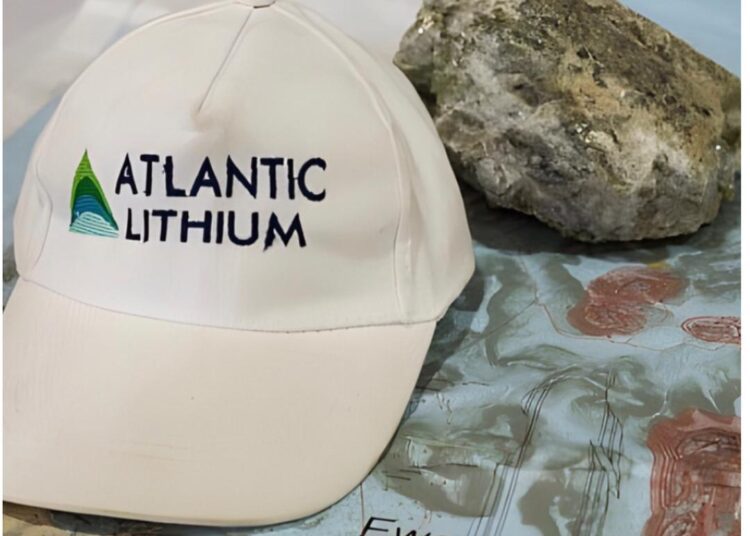
While the ratification between the government and Barari DV Ghana Limited the local arm of Atlantic Lithium signals a green light for the Ewoyaa Lithium Project in the Central Region, the transition from discovery to extraction has frozen the development of indigenous communities.
The deal aims to integrate Ghana into the global green energy supply chain by providing the lithium essential for electric vehicle batteries and renewable storage; however, the legal mechanisms meant to protect the mineral resource have simultaneously locked local livelihoods in a state of deep economic paralysis.
“The affected communities live in a state of suspended time during the moratorium. Farmers are unable to plan their next season confidently, families delay home improvements, and young people postpone major life decisions because their future access to land remains unclear. The mining agreement doesn’t end the waiting but instead opens a new phase of negotiations and administrative back and forth that causes real social and economic harm.”
Clement Sefa-Nyarko, Researcher and Lecturer in Natural Resources Governance Security in Africa, King’s College London
The three-year moratorium, triggered by the 2023 confirmation of commercially viable deposits, was intended to stabilize land use and prevent speculative construction or inflated compensation claims.
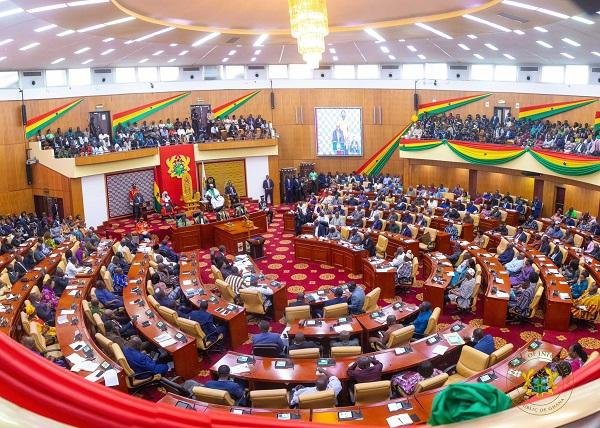
Under the Minerals and Mining Act, this legal hold prohibited residents from erecting permanent structures, expanding their farms, or making significant land-use changes.
For the farming families of the Ewoyaa area, this meant that while the world looked toward a “decarbonized future,” their individual futures were placed on hold.
The ratification does not immediately resolve these tensions; rather, it initiates a complex and often grueling phase of relocation negotiations and livelihood restoration assessments that could stretch on for years.
The Economic Stagnation of the “Suspended” Farmer
The primary casualty of the lithium discovery has been the traditional agrarian economy. Since the moratorium took effect, over 1,500 farmers have been barred from planting long-term cash crops like cacao, cashew, or pineapple, which require years of stability to yield returns.
Instead, they have been restricted to short-cycle subsistence crops just to ward off immediate starvation. This “livelihood freeze” has effectively devalued the human capital of the region.
As Clement Sefa-Nyarko observes, “everyday decisions about livelihoods, housing and the future are placed on hold,” turning productive agricultural hubs into zones of waiting.

Furthermore, the physical landscape of villages like Krampakrom now bears the marks of this uncertainty. Many homes are marked with red spray paint codes that signal earmarked demolition yet residents have received no funds to begin rebuilding elsewhere.
This psychological and financial weight is compounded by the fact that the legal “stability” the government sought has resulted in a practical “instability” for the youth, who find themselves unable to commit to the land or invest in their hometowns while the specter of relocation looms.
Compensation Gaps and the “Social License” Risk
The transition into the post-ratification phase brings the thorny issue of fair valuation to the forefront. Under the current agreement, Barari DV Ghana and the state must now negotiate compensation for land, crops, and assets.
However, the years spent under the moratorium have already depleted the financial reserves of many families. Reports from local NGOs suggest that “the lack of clear and timely communication” has bred deep mistrust, with many residents fearing that the eventual compensation will not account for the three years of lost opportunity and inflation.
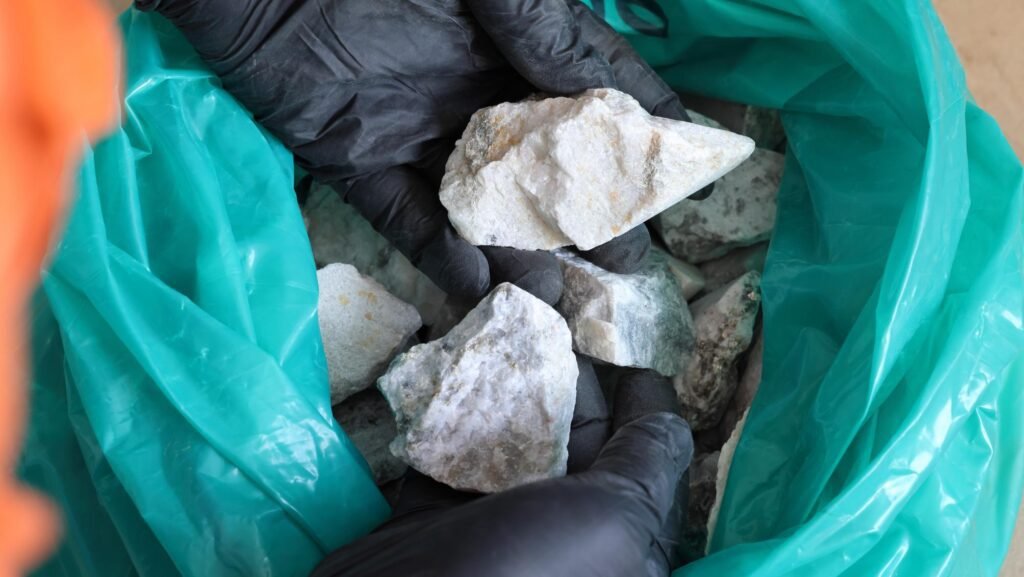
The social consequences of this delay are not merely local grievances but material risks to the project’s success. Sefa-Nyarko argues that “local participation is one of the strongest predictors of whether mining projects gain or lose legitimacy.”
Without a “social license to operate” an informal approval from the community the Ewoyaa project faces the risk of future protests or legal challenges that could disrupt the very supply chain the state is eager to secure.
Navigating the Future of Extractive Governance

As the formal discussions for relocation begin, the Ewoyaa case serves as a litmus test for Ghana’s mineral governance.
The “administrative back and forth” that follows ratification is often more taxing than the moratorium itself.
For the farming communities, the arrival of big-ticket lithium mining is a bittersweet development; while it promises national growth and global relevance, the immediate reality is a “prolonged uncertainty” that threatens to hollow out the social fabric of the Central Region.
To avoid the mistakes of the gold-mining past, the government must move beyond the “speculative construction” of legal frameworks and address the “real social and economic harm” mentioned by experts.
READ ALSO: Chelsea End Goal Drought but Match 33-year-old Unwanted Record