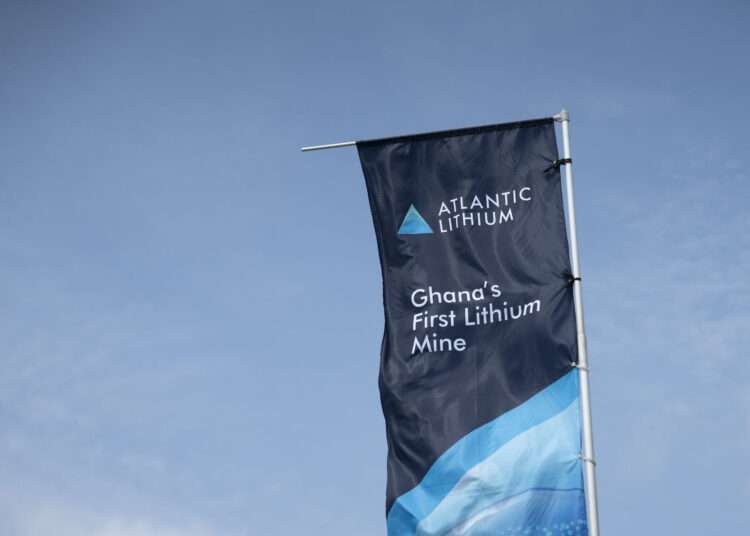
The Ewoyaa Lithium Mining Agreement has been ratified by Ghana’s Parliament, marking a major milestone in the country’s push to enter the global green minerals market.
The deal, signed between the Government of Ghana and Barari DV Ghana Limited, paves the way for the development of the Ewoyaa lithium project located in the Mfantseman Municipality.
The agreement grants Barari DV Ghana Limited a 15-year renewable lease to mine lithium and associated minerals within a 42.63 square kilometre concession at Mankessim, part of the Ewoyaa lithium belt.
The project is expected to position Ghana as a key player in the global supply chain for lithium, a critical component in the production of batteries used in electric vehicles and renewable energy storage systems.

Speaking during the parliamentary session, Emmanuel Armah-Kofi Buah described the agreement as a transformative step for the country’s mining sector.
“In the current dispensation, and given the global market price of lithium, Ghana will get 12% royalties due to the sliding scale legislation that has matured into law,” he stated.
He added that the revised agreement reflects improved terms compared to earlier negotiations, giving the government greater flexibility in managing revenue from the project.
The approval brings to an end nearly three years of intense political debate and negotiations over the terms of the agreement, which has been widely regarded as one of Ghana’s most strategic mining deals in recent years.
The motion was adopted following the presentation of a report by the Lands and Natural Resources Committee, chaired by Collins Dauda, who urged lawmakers to support the agreement after a comprehensive review process.
From Exploration to Commercial Viability

The origins of the Ewoyaa project date back to 2012, when the company obtained a reconnaissance licence to explore the concession.
Over time, exploration efforts confirmed the presence of commercially viable lithium deposits, leading to the conversion of the licence into a prospecting permit in 2018.
Following Cabinet approval of a national policy framework for green minerals in October 2025, the agreement was renegotiated to align with Ghana’s mining laws and international best practices before being submitted to Parliament.
The Committee reported that extensive stakeholder consultations were conducted, involving institutions such as the Minerals Commission, Environmental Protection Authority, and community representatives.
One of the key highlights of the agreement is the enhanced level of state participation in the project.
Ghana will hold a 13 percent free carried interest in the venture, exceeding the typical 10 percent stake held by the state in many mining operations.
The agreement also ensures that the company will pay all applicable royalties, taxes and statutory fees without benefiting from tax waivers, a move aimed at maximising government revenue.
In addition, the company has committed to allocating one percent of its annual revenue to a Community Development Fund, which will support infrastructure, education and healthcare initiatives in affected communities.
Lawmakers were informed that the project is expected to create approximately 1,000 direct jobs, along with numerous indirect employment opportunities.
Value Addition and Environmental Safeguards
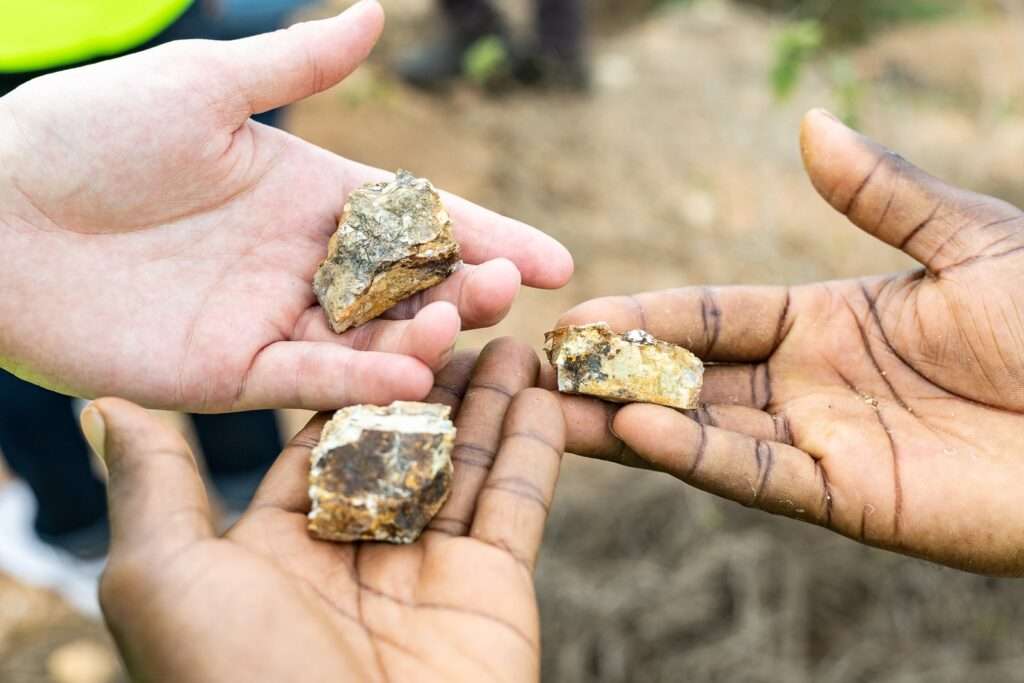
The agreement includes provisions to encourage value addition within Ghana’s mining sector.
Plans are underway to explore the establishment of a chemical processing plant to refine lithium concentrate locally, reducing reliance on raw exports and increasing economic value retention.
The company is also expected to promote the local sale of by-products such as feldspar and kaolin, depending on market demand.
Environmental considerations were also central to the agreement. The Committee noted that strict safeguards have been incorporated, including restrictions on mining near protected areas and requirements for land reclamation.
Additionally, the company has committed to studying the feasibility of developing a jetty or mini-port facility near Saltpond to ease transportation challenges and reduce pressure on road networks.
Minority Raises Concerns Despite Approval
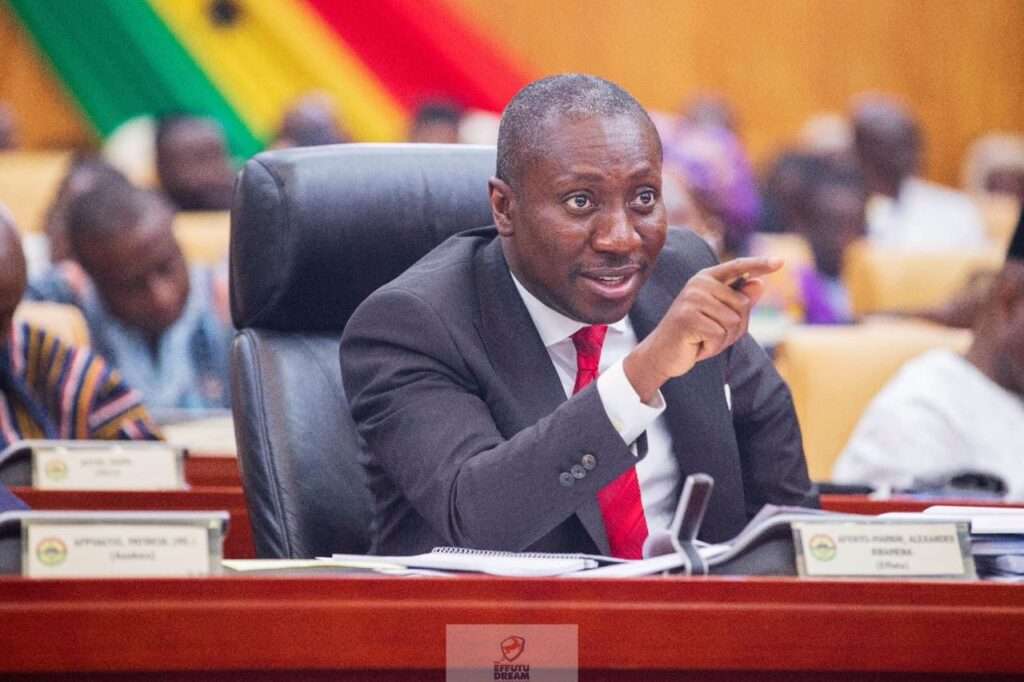
Despite the broad support for the agreement, the Minority caucus from the New Patriotic Party opposed its ratification, citing concerns over financial transparency and governance.
Minority Leader Alexander Afenyo-Markin called for more detailed disclosures, including comparative revenue analysis and clarity on pricing benchmarks for lithium sales.
He also raised concerns about safeguards against profit shifting, potential dilution of state equity, and governance arrangements for the Community Development Fund.
“We, the Minority, vote en bloc against this agreement… in its current form and shape,” he said, insisting that further scrutiny was needed for what he described as a generational national asset.
Despite the opposition, the agreement was ultimately approved by Parliament, clearing the way for the implementation of Ghana’s first large-scale lithium mining project.
The Ewoyaa development is expected to play a crucial role in diversifying Ghana’s mining sector beyond gold and hydrocarbons, while aligning the country with the global shift toward clean energy technologies.
Analysts say the success of the project will depend on effective implementation, strong regulatory oversight, and the ability to balance economic benefits with environmental and community interests.
With the ratification now secured, attention is expected to shift toward execution, as Ghana positions itself to take advantage of growing global demand for green minerals.
READ ALSO: Central Bank Considers Relief for One Capital-Starved Bank