UK’s Labour Party has suffered major election setbacks across England, Scotland and Wales as Nigel Farage’s Reform UK made sweeping gains, increasing pressure on Prime Minister Keir Starmer and exposing growing voter dissatisfaction with the party.
Election results show Labour is losing its grip on several strongholds, with pollsters predicting the party could lose more than 1,500 council seats once all results are declared.
Meanwhile, Reform UK is continuing its rapid rise, winning hundreds of council seats and strengthening its presence in areas traditionally dominated by Labour and the Conservatives.
The political damage for Labour extended into Scotland, where Scottish Labour leader Anas Sarwar appeared visibly dejected as results emerged at the Glasgow count.“We made an argument for change and ultimately, it’s an argument we lost,” Sarwar said.
He acknowledged that despite efforts to focus Labour’s campaign on Scottish issues, there was “a national wave of disappointment” the party had failed to overcome.
At the same time, John Swinney declared victory for the Scottish National Party after early Scottish Parliament results showed Labour had been comprehensively defeated.
Speaking after retaining his seat in Perthshire North, Swinney said he was “absolutely certain the SNP is going to be the leading party coming out of this election.”
He added that he would be “privileged” to form the next Scottish government after guiding the SNP toward what appeared to be its fifth successive electoral victory.
In Wales, Labour’s difficulties deepened further after Welsh First Minister Eluned Morgan lost her seat in the Senedd, capping a damaging night for the party across multiple parts of Britain.
Pressure Mounts on Starmer as Labour Losses Deepen Leadership Questions
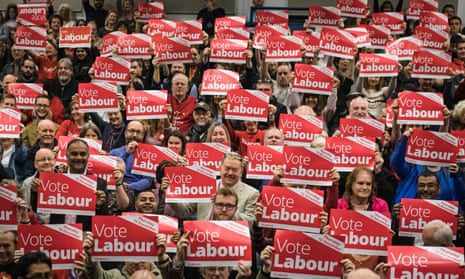
Meanwhile, Keir Starmer has faced intensifying pressure over his leadership as Labour’s poor performance in local elections triggered renewed internal criticism and fuelled speculation about the party’s future direction.
The disappointing results across England, Scotland and Wales have deepened concerns within Labour ranks after the party lost support in several key areas, including traditional strongholds that had historically backed Labour candidates.
In Hull, where Reform UK gained 10 council seats, Labour Councillor, Sharon Hoffman blamed the national government’s unpopularity for the party’s collapse at local level. “The national Labour government had done us a lot of damage,” Hoffman said.
She added that many voters had expressed support for local Labour representatives while distancing themselves from the prime minister.
“People on the door when we were knocking were saying: ‘We think you’re a great councillor, we really support you, but we cannot support Labour. People mentioned that they would not vote for Keir Starmer or for anybody that represented Keir Starmer.”
Sharon Hoffman
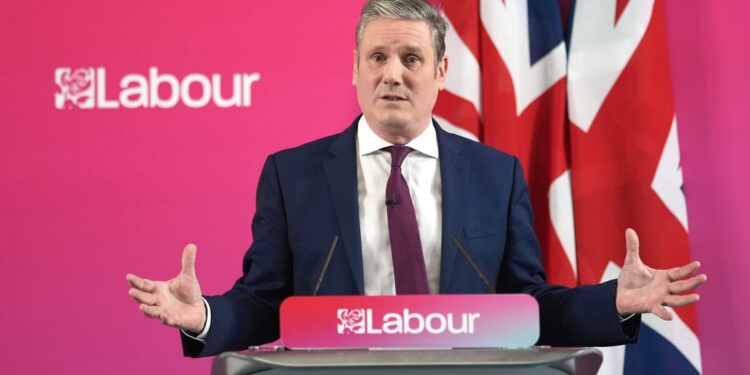
Starmer, on the other hand, acknowledged the scale of the setback and accepted responsibility for the election results.
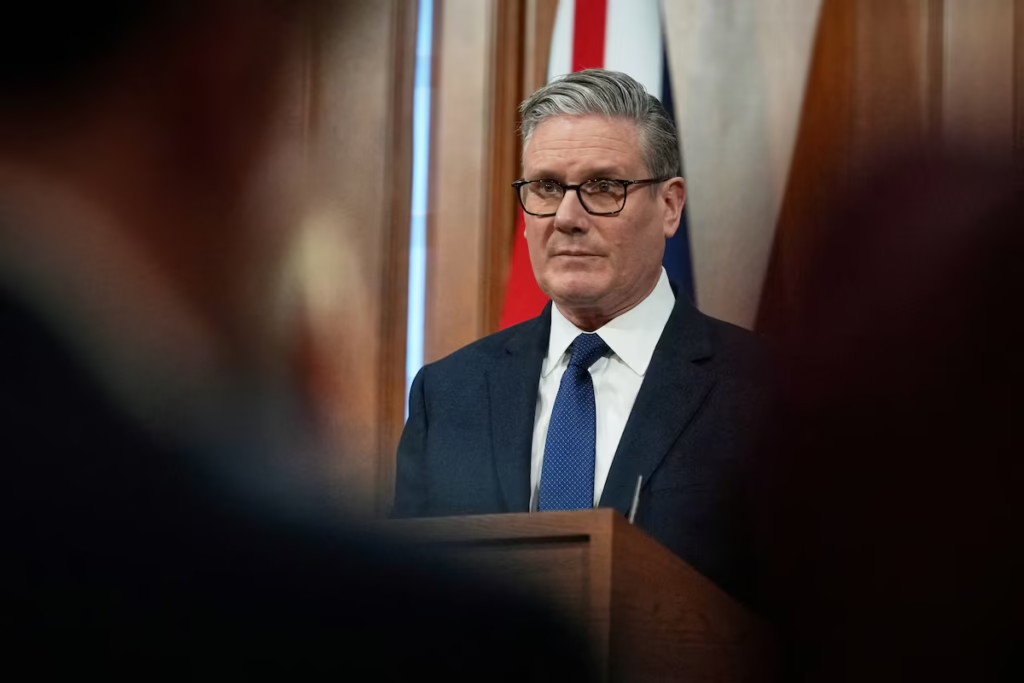
“The results are tough, they are very tough, and there’s no sugar-coating it. We have lost brilliant Labour representatives across the country, these are people who put so much into their communities, so much into our party. And that hurts, and it should hurt, and I take responsibility.”
Keir Starmer
He added, “I’m not going to walk away and plunge the country into chaos.”
Senior ministers have also rallied behind the Prime Minister in an effort to contain growing unrest within the party.
John Healey said he believed Starmer could “still turn this around” while Foreign Secretary Yvette Cooper warned against a “knee-jerk reaction” to the results.
Communities Secretary Steve Reed also cautioned against replacing the party leader, indicating that “Doomscrolling through prime minister’s doesn’t resolve the problem.”
Despite the public backing from senior ministers, reports of unease within Labour continued to grow. Some Labour MPs are said to be hoping that Andy Burnham could eventually return to Westminster and emerge as a potential challenger to Starmer’s leadership.
Although Burnham was blocked earlier this year from standing as a Labour MP, some of his supporters reportedly hope the party’s National Executive Committee could reconsider its position in the future.
The local election results also highlighted the continued rise of Reform UK under the leadership of Nigel Farage, who described the outcome as a “truly historic shift in British politics.”
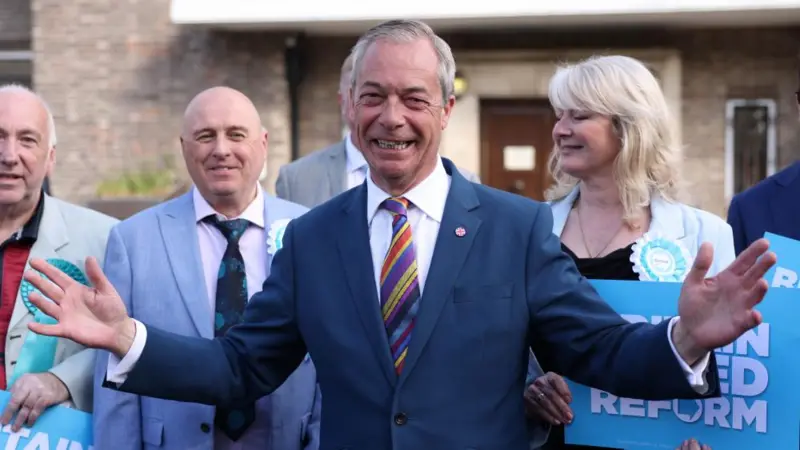
Speaking in Havering, Farage argued that Reform UK’s growing support could no longer be dismissed as temporary protest voting.
He said the party had managed to attract support in both traditionally Conservative and Labour areas, adding that Reform’s gains were no longer “a fluke or a protest vote.”
For the conservatives, Kemi Badenoch said the Conservatives remained “the only serious alternative to Labour,” adding, “People voted for change and they got change for the worse with Labour.”
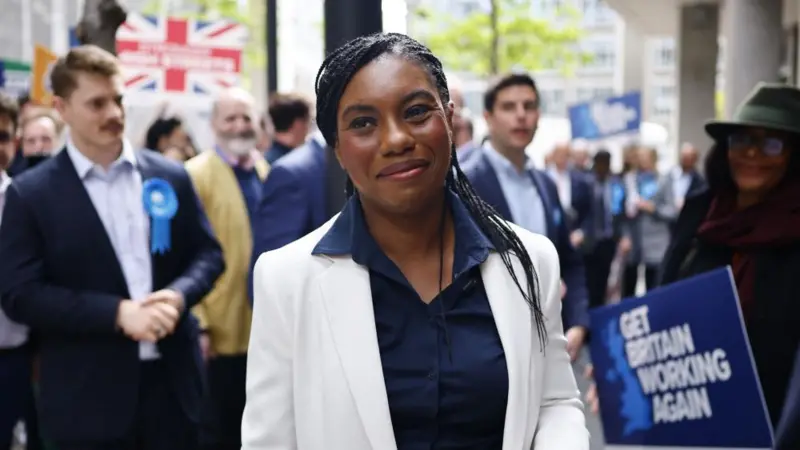
She also criticised Reform UK, arguing that the party “talk a good game” but “people who experience Reform don’t like it.””We are the only ones who do any work,” Badenoch added.
The Liberal Democrats also recorded gains, taking control of councils in Stockport and Portsmouth.
Liberal Democrat leader Ed Davey notes that voters had become disillusioned with both Labour and the Conservatives. He warned that frustration with mainstream politics was driving support toward what he described as “extreme” parties such as Reform UK and the Greens.
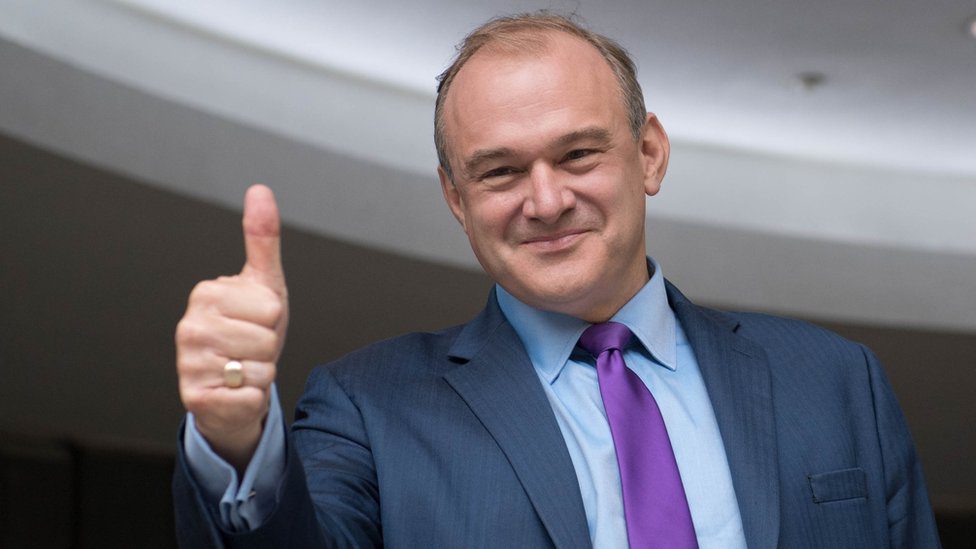
“Their message of change is quite destructive – it is ‘burn it all down’ change. The Liberal Democrats offer different change which is ‘build up’ change.”
Ed Davey
At the same time, the Green Party of England and Wales significantly increased its share of the vote compared with the 2022 elections, gaining dozens of councillors and securing the mayoralty in Hackney.
READ ALSO: Cocoa Crisis Pushes Ghana Into Bond Market to Raise $1 billion