United States and Iran have remained divided over several major issues despite growing signs of progress toward a possible agreement aimed at extending their fragile ceasefire and restarting negotiations over Tehran’s nuclear programme.
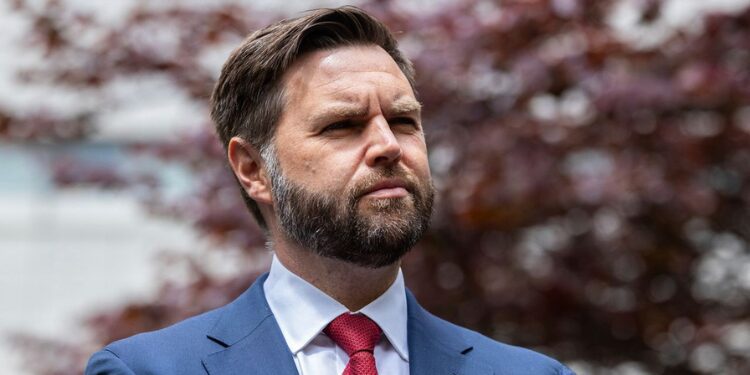
According to US Vice-President JD Vance, while discussions between the two sides were advancing, negotiators were still working through unresolved disputes before any formal agreement could be finalised.
Vance cautioned that it was too early to determine “when or if” an agreement would ultimately be reached. “We’re not there yet, but we’re very close, and we’re going to keep on working at it,” he added.
The latest comments came after US officials stated earlier that Washington and Tehran had reached a preliminary framework agreement that could extend the current ceasefire by 60 days and open broader negotiations on the future of Iran’s nuclear activities.
According to Vance, one of the major sticking points remains “the question of enrichment,” referring to Iran’s continued production of highly enriched uranium.
United States has long insisted that Iran halt enrichment activities capable of producing weapons-grade material and surrender or neutralise its existing uranium stockpile, which Western governments fear could potentially be used to develop nuclear weapons.
Despite the unresolved issues, Vance struck a cautiously optimistic tone, indicating that the US believed Iranian negotiators were acting in “good faith.”
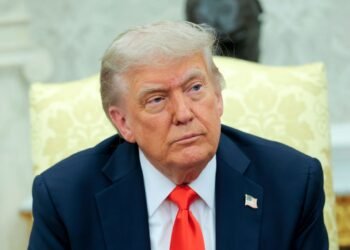
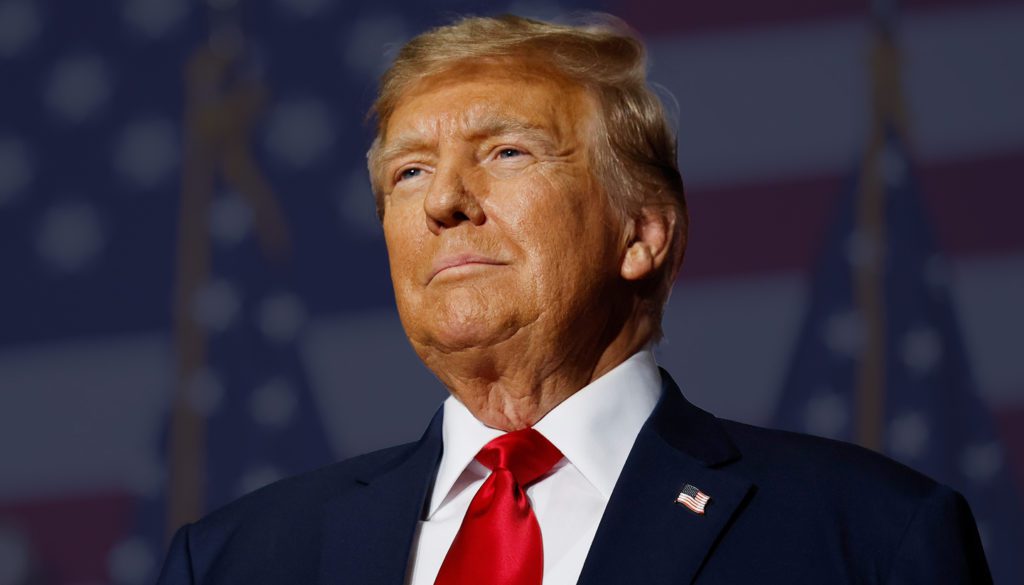
Since the ceasefire between the two countries came into effect on 8 April, President Trump has repeatedly suggested that negotiations were moving closer to a breakthrough. Yet despite the public optimism, substantive progress has remained limited, and both sides continue to issue conflicting accounts of the talks.
The negotiations are unfolding against a backdrop of mounting domestic and international pressure on Trump to end the conflict.
Gulf allies have pushed Washington to stabilise the region, while Democrats and some Republicans in Congress have raised concerns about the prolonged war and its impact on global energy markets.
The proposed ceasefire extension is seen as a mechanism to buy time for negotiators to address more complex technical disputes, particularly over Iran’s nuclear programme and the future of its highly enriched uranium reserves.
Trump has previously suggested that the uranium could either be removed by the United States or diluted under international supervision, either inside Iran or in a third country.
Fragile US-Iran Truce Tested as Hormuz Deal Emerges
Reports surrounding the tentative agreement suggest the deal could also include measures to restore unrestricted navigation through the Strait of Hormuz, one of the world’s most strategically important shipping lanes.
Under the reported framework, Iran would reportedly be given 30 days to remove naval mines from the narrow waterway, while the United States would lift its blockade and issue sanctions waivers allowing Tehran to resume oil exports.
The Strait of Hormuz is vital to global trade, carrying roughly one-fifth of the world’s liquefied natural gas and oil supplies. Disruptions to shipping through the route during the conflict have contributed to instability in global fuel markets.
Axios, which first reported details of the tentative framework, highlighted that President Trump had been briefed on the proposal but had not yet approved it, opting instead to review the terms over several days.
Meanwhile, Iranian state media earlier published what it described as elements of a draft 14-point memorandum of understanding between Tehran and Washington. The reported framework included the lifting of US naval restrictions, the withdrawal of American forces from areas surrounding Iran, and the restoration of civilian shipping through the Strait of Hormuz under joint Iranian and Omani management.
The White House swiftly rejected the report, calling the alleged memorandum a “complete fabrication.”
Moreover, Treasury Secretary Scott Bessent declined to confirm whether an agreement had been reached. “It’s always a mistake to get out ahead of the president,” adding that “it is all going to be the president’s decision.”
Despite ongoing diplomacy, tensions remain high on the ground. Both Washington and Tehran have accused each other of violating the ceasefire in recent days.
Iran’s Islamic Revolutionary Guard Corps (IRGC) claimed that it had targeted a US military base in the region in retaliation for overnight American strikes on southern Iran.
Iranian state media also claimed that Iranian forces had shot down a US aircraft, possibly a drone. However, US Central Command denied the reports, stating: “No US aircraft were shot down. All US air assets are accounted for.”
The conflicting claims and continued military incidents underline the fragility of the ceasefire and the uncertainty still surrounding efforts to secure a broader settlement between the two longtime adversaries.
READ ALSO: Messi Leads Star-Studded Argentina World Cup Squad