

Ghana has recorded a major milestone in its petroleum sector with the successful delivery of locally produced crude oil from the Jubilee Field to Sentuo Oil Refinery for processing within the country.
The development marks the first time crude from Ghana’s flagship Jubilee Field has been supplied to Sentuo Oil Refinery for commercial processing, reflecting growing efforts to deepen value addition and strengthen domestic participation across the petroleum value chain.
Speaking at the First-Ever Jubilee Crude Oil Berth Ceremony, Minister for Energy and Green Transition, Hon. John Abdulai Jinapor, described the occasion as a historic moment for Ghana’s petroleum industry and a significant step toward maximising value from the country’s natural resources.
For years, Ghana exported crude oil while relying heavily on imported refined petroleum products to meet domestic demand. While that model ensured fuel availability, it limited the country’s ability to capture the full economic value of its petroleum resources and retain a greater share of petroleum-related benefits within the local economy.
“True economic transformation requires that we process, refine, and add value to our resources locally. By so doing, we end up creating jobs, building technical capacity, strengthening domestic industries, and generating greater economic benefit for our people.”
Hon. John Abdulai Jinapor, Minister for Energy and Green Transition

Shift Towards Value Addition
According to the Minister, the delivery of Jubilee crude to Sentuo Oil Refinery represents more than a logistical achievement. He noted that it demonstrates Ghana’s commitment to processing and refining its resources locally rather than exporting raw materials and importing finished products.
Hon. Jinapor observed that although Ghana has produced crude oil for more than a decade, the country has historically captured only a fraction of the value generated from its petroleum resources due to limited domestic processing capacity.
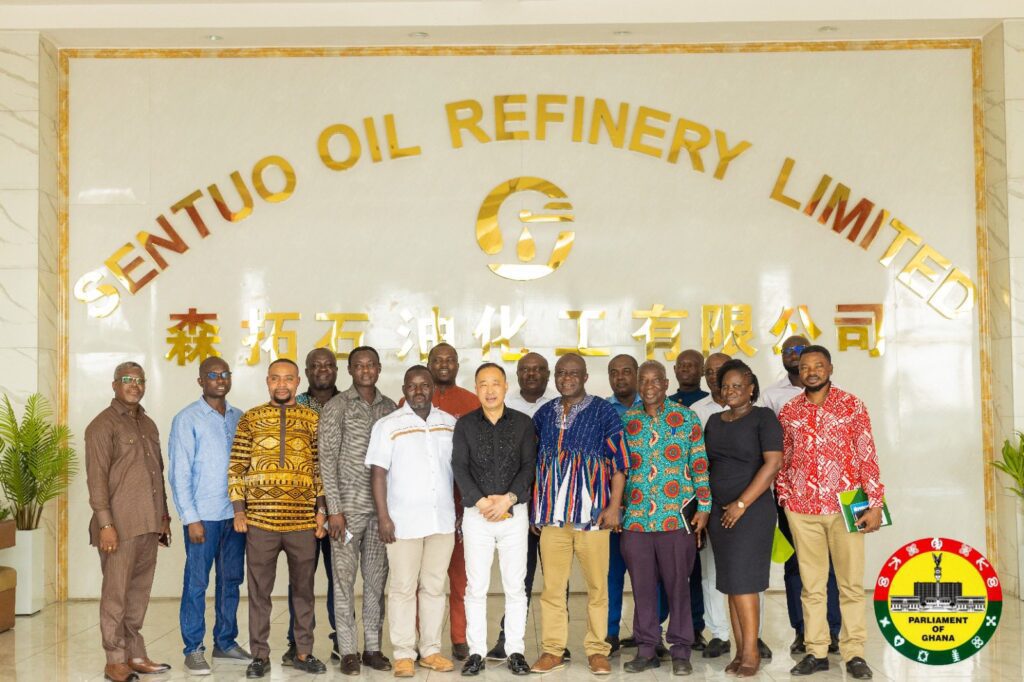
He further noted that local refining activities are essential to building stronger industrial linkages and ensuring that petroleum resources contribute meaningfully to broader economic development.
Jobs, Skills, Industrial Growth
The Minister stressed that local refining has implications beyond the energy sector, particularly in relation to employment creation and industrial development.
Addressing workers and stakeholders gathered at the ceremony, he noted that investments in refining infrastructure have created hundreds of jobs and contributed to the growth of technical expertise within the country.
He remarked that facilities such as Sentuo Oil Refinery provide opportunities for Ghanaians to acquire specialised skills while supporting the emergence of industries linked to petroleum processing, storage and distribution.
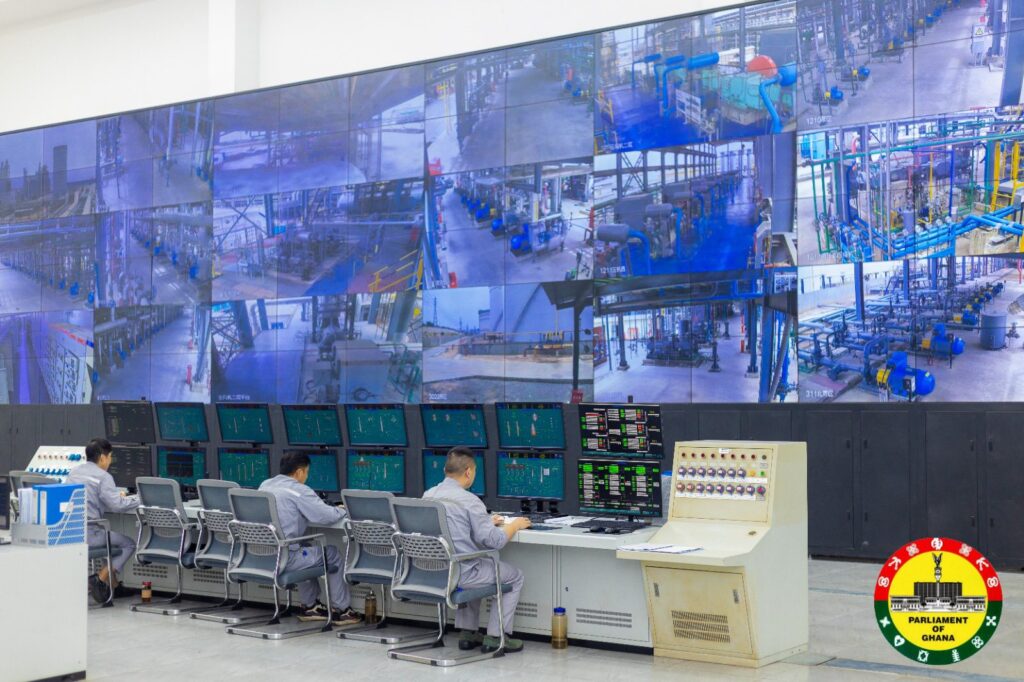
Hon. Jinapor further commended the leadership of the refinery for its contribution to Ghana’s industrialisation agenda, noting that local processing facilities play an important role in building a more resilient and diversified economy.
He indicated that without such investments, many of the employment opportunities currently available within the refinery and related industries would not exist, placing additional pressure on an already competitive labour market.
Strengthening Energy Security
Beyond economic gains, the Minister highlighted the strategic importance of domestic refining in enhancing Ghana’s energy security.
Industry experts have long argued that countries with refining capacity are better positioned to manage supply disruptions and reduce exposure to fluctuations in international petroleum product markets.

The ability to process crude locally is also expected to reduce foreign exchange pressures associated with importing large volumes of refined petroleum products while supporting greater stability within the domestic energy sector.
As global energy markets continue to experience uncertainty, investments in domestic refining infrastructure are increasingly being viewed as critical to strengthening national energy resilience and reducing vulnerabilities associated with external supply chains.
Supporting Government’s Industrial Vision
Hon. Jinapor noted that the achievement aligns with the vision of President John Dramani Mahama to promote greater local participation and value retention within Ghana’s natural resource sectors.
According to him, the government remains committed to ensuring that the country’s resource wealth contributes directly to industrial development, job creation and national prosperity.
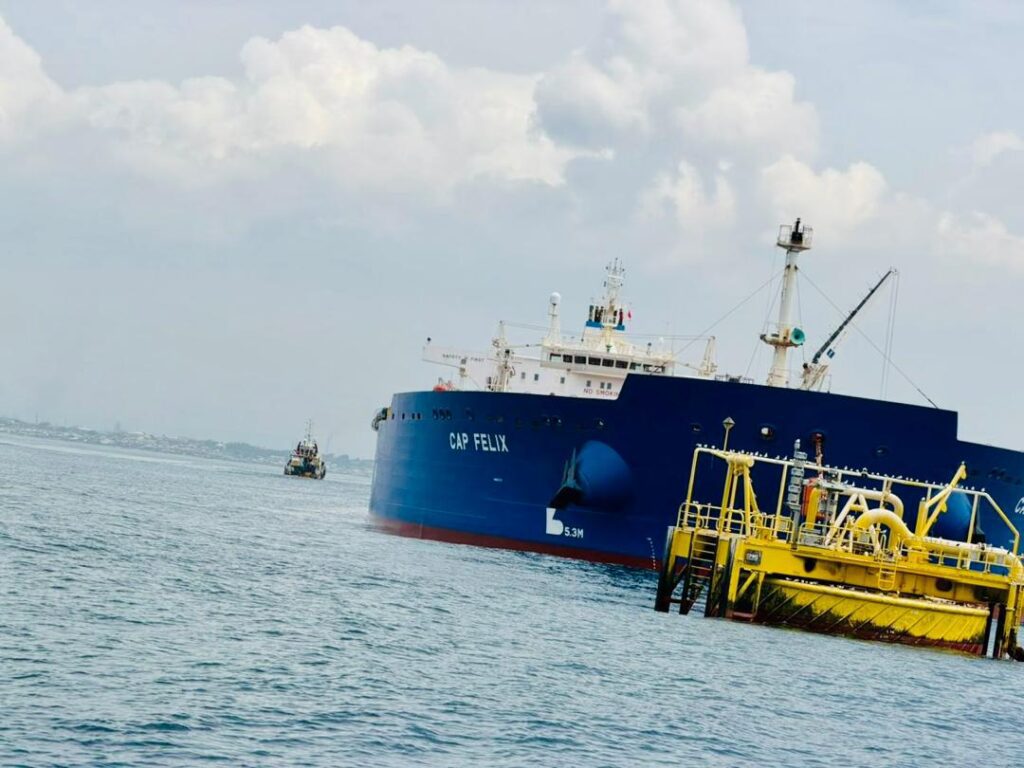
He emphasised that Ghana must move beyond simply extracting and exporting raw materials if it is to achieve sustainable economic transformation and maximise returns from its natural resources.
The Minister stated that strengthening local value addition remains a central pillar of government’s broader industrialisation agenda and efforts to build a more productive economy.
New Chapter for Petroleum Sector
The successful delivery of Jubilee crude to Sentuo Oil Refinery is expected to serve as a catalyst for broader discussions on local content, industrial policy and value addition within Ghana’s extractive industries.
Analysts believe the move could help unlock greater economic benefits from the country’s petroleum resources while supporting efforts to develop a more integrated downstream petroleum sector.

As Ghana continues to pursue industrialisation and economic diversification, the commencement of local processing of Jubilee crude represents a significant step towards retaining more value within the economy and creating opportunities across the petroleum value chain.
As Ghana seeks to maximise returns from its petroleum resources, the successful processing of Jubilee crude at Sentuo Oil Refinery could serve as an important test case for the country’s broader ambitions around local content, industrialisation and value addition.
READ ALSO: GFA Sets August 20 for 32nd Ordinary Congress in Prampram