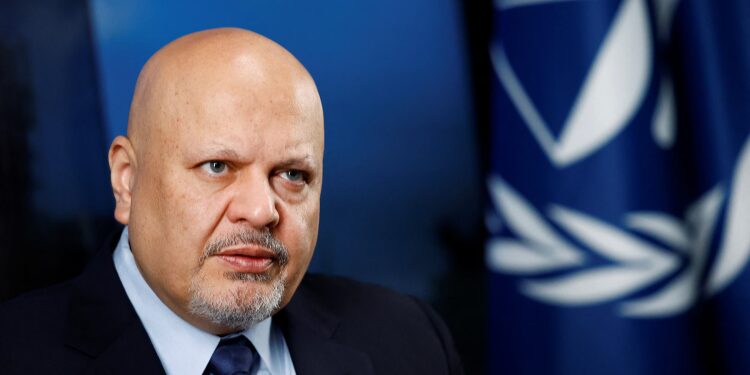
Chief Prosecutor of the International Criminal Court (ICC), Karim Khan, has been suspended from office with immediate effect after the court’s governing body referred disciplinary proceedings against him to a special session of member states, marking an unprecedented development in the history of the world’s permanent war crimes tribunal.
The decision announced by the Assembly of States Parties (ASP), the ICC’s oversight body, following a vote by its 21-member executive bureau. The bureau determined, by qualified majority, that Khan should be suspended pending a final decision by the court’s 125 member states regarding his future.
The move comes amid a long-running sexual misconduct scandal involving allegations made by a female aide who worked under Khan at the court’s headquarters in The Hague. The 56-year-old British lawyer has consistently denied all accusations and maintains that he has not engaged in any inappropriate behaviour.
In a statement, the ASP stated that, the suspension was based on findings from an investigation conducted by the United Nations Office of Internal Oversight Services (OIOS), supporting evidence, legal advice from an ad hoc panel of judicial experts, and written submissions from the parties involved.
However, the governing body stressed that the suspension should not be interpreted as a final determination of guilt. “The decision to suspend the Prosecutor from duty with immediate effect pending the final decision of the Assembly of States Parties is not an indication of the final outcome.”
A dispute that has plagued the ICC for almost two years and raised questions about the organization’s leadership, accountability, and governance has further escalated with the case’s referral to the entire assembly of member states.
The executive committee found that Khan had engaged in significant misconduct in relation to the claims, according to papers seen by foreign media sources. As a result, the case was referred to member states for additional consideration.
According to a female employee, Khan engaged in forced and non-consensual sexual behaviour between 2023 and 2024. The alleged instances are claimed to have occurred in a number of places, including Khan’s private home, his office at the ICC, and hotel rooms during official missions.
According to a UN investigation report evidence suggest Khan had engaged in “nonconsensual sexual contact” with the staff member in several settings.
The report stated that investigators identified evidence relating to encounters that allegedly occurred in his office, at his residence, and during international work trips.
Despite those findings, a three-judge panel established by the executive committee to assess the legal merits of the investigation reportedly concluded that the evidence was not sufficiently conclusive to establish misconduct beyond doubt.
Moreover, Khan’s legal representatives have repeatedly rejected the allegations. In previous statements, his lawyers said he “categorically denies” harassing, mistreating or coercing any individual.
They further maintained that he had never abused his position or authority and had not engaged in conduct that could reasonably be interpreted as exploitative, coercive or professionally inappropriate.
Karim Khan Suspension Deepens Crisis at International Criminal Court
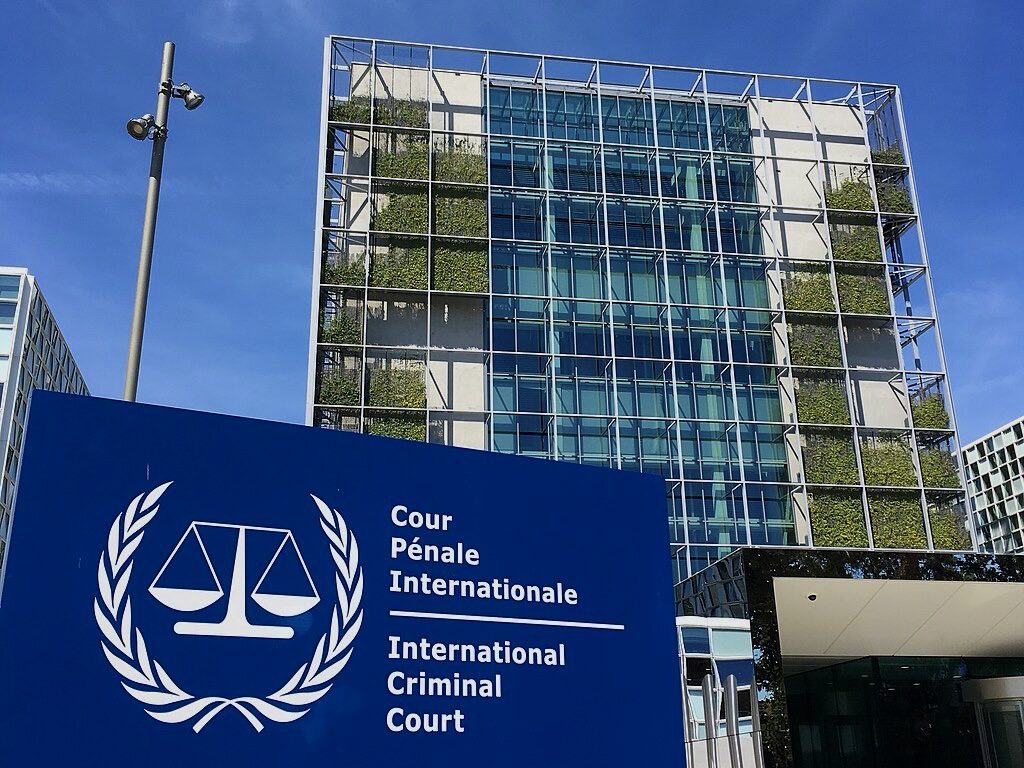
Meanwhile, Khan temporarily resigned from his post in May 2025 to preserve confidence in the organization and avoid giving the idea that he was interfering with the probe.
As a result, several senior prosecutors assumed responsibility for managing significant investigations and court proceedings.
Although Khan’s most recent suspension officially removes him from active duties, officials believe it will have little immediate impact on the court’s day-to-day operations because Khan had previously withdrew from most prosecutorial tasks.
However, ICC’s ongoing trial of former Philippine President Rodrigo Duterte, one of the court’s most well-known cases, is one of the most notable instances impacted by his absence.
The unusual nature of the case is highlighted by the fact that the disciplinary process itself has compelled the Assembly of States Parties to create new processes and instruments.
Although the ICC has dealt with accusations involving judges and employees in the past, its head prosecutor has never before been subjected to so extensive disciplinary actions while in office.
The court’s member states now have the final say over whether Khan should stay in office or be removed as a result of the referral.
In the upcoming months, the Assembly of States Parties is anticipated to hold a special session to discuss the results, go over suggestions, and determine whether to take any more disciplinary action.
The verdict might have a big impact on Khan personally as well as the ICC’s legitimacy and reputation. In recent years, the ICC has been under increased scrutiny for both its internal governance and how it handles politically sensitive international matters.
Khan is currently suspended as member states get ready to discuss a case that has grown to be one of the most significant institutional crises in the court’s history.
READ ALSO: GSE Sinks as Investors Wipe Out 66 Points