Judith Adjobah Blay, the Chief Executive Officer of the Ghana National Gas Company Limited (Ghana Gas), has showcased Ghana’s growing investment potential within the regional natural gas sector to international financiers and energy industry leaders at the ongoing Global Energy Show in Calgary, Canada.
Addressing delegates at one of the world’s premier energy conferences, the utility boss detailed how strategic midstream infrastructure expansions position the West African nation as an emerging regional energy aggregation hub.
The presentation outlined key operational breakthroughs and commercial frameworks designed to court foreign direct investments while advancing regional energy security and socio-economic integration.
“Ghana Gas is committed to creating value for investors while advancing Ghana’s energy security and strengthening regional energy integration across West Africa.”
Judith Adjobah Blay, the Chief Executive Officer of the Ghana National Gas Company Limited (Ghana Gas)
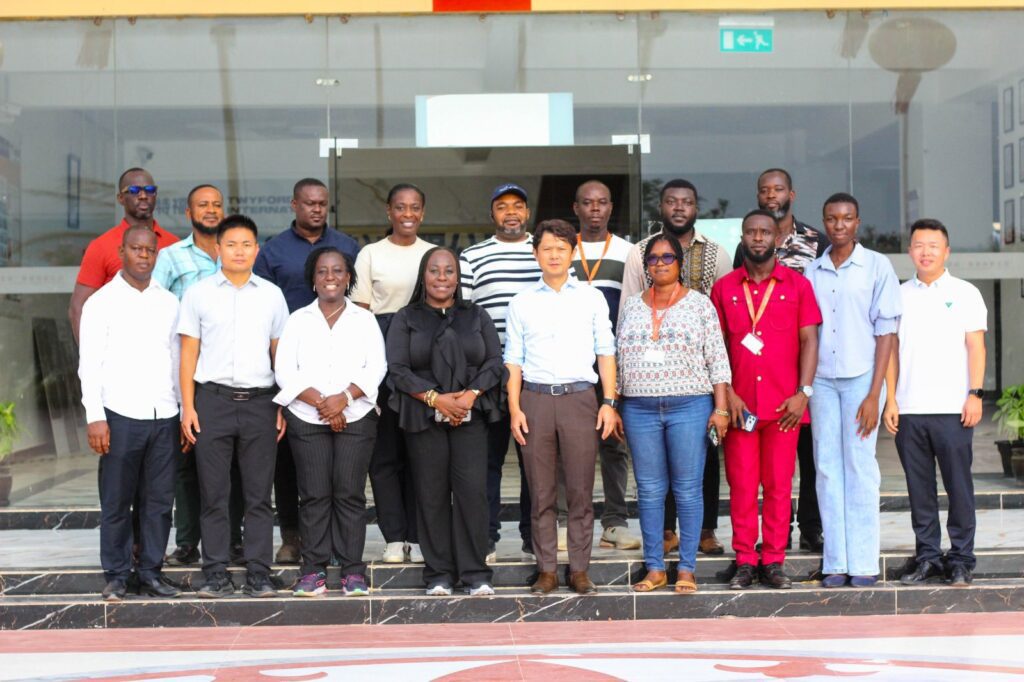
Expanding on the country’s midstream achievements, Blay explained that Ghana Gas now operates the primary infrastructure responsible for the gathering, processing, and transmission of natural gas to domestic industrial demand centres.
The state-backed utility accounts for approximately 84 percent of the fuel supplied to local thermal power plants, anchoring at least 60 percent of Ghana’s total electricity generation mix.
This domestic infrastructure has effectively displaced expensive fuel imports, yielding an estimated annual saving of US$1.3 billion in fuel costs, alongside an additional US$60 million saved through the localized supply of Liquefied Petroleum Gas (LPG).
Infrastructure Integration and Cross-Border Interconnections
The strategic integration of Ghana’s domestic gas infrastructure with regional networks has transformed the country from a terminal gas-importing destination into an active participant in the West African energy trade.
Blay highlighted the successful 2018 bidirectional interconnection with the West African Gas Pipeline Company (WAGP) network at Takoradi, which now facilitates critical reverse gas flow to the industrial hub of Tema. This localized transmission network serves as a blueprint for wider cross-border infrastructure partnerships across the sub-region.
Beyond the existing WAGP framework, Ghana Gas has emerged as a principal stakeholder in the proposed African Atlantic Gas Pipeline project.
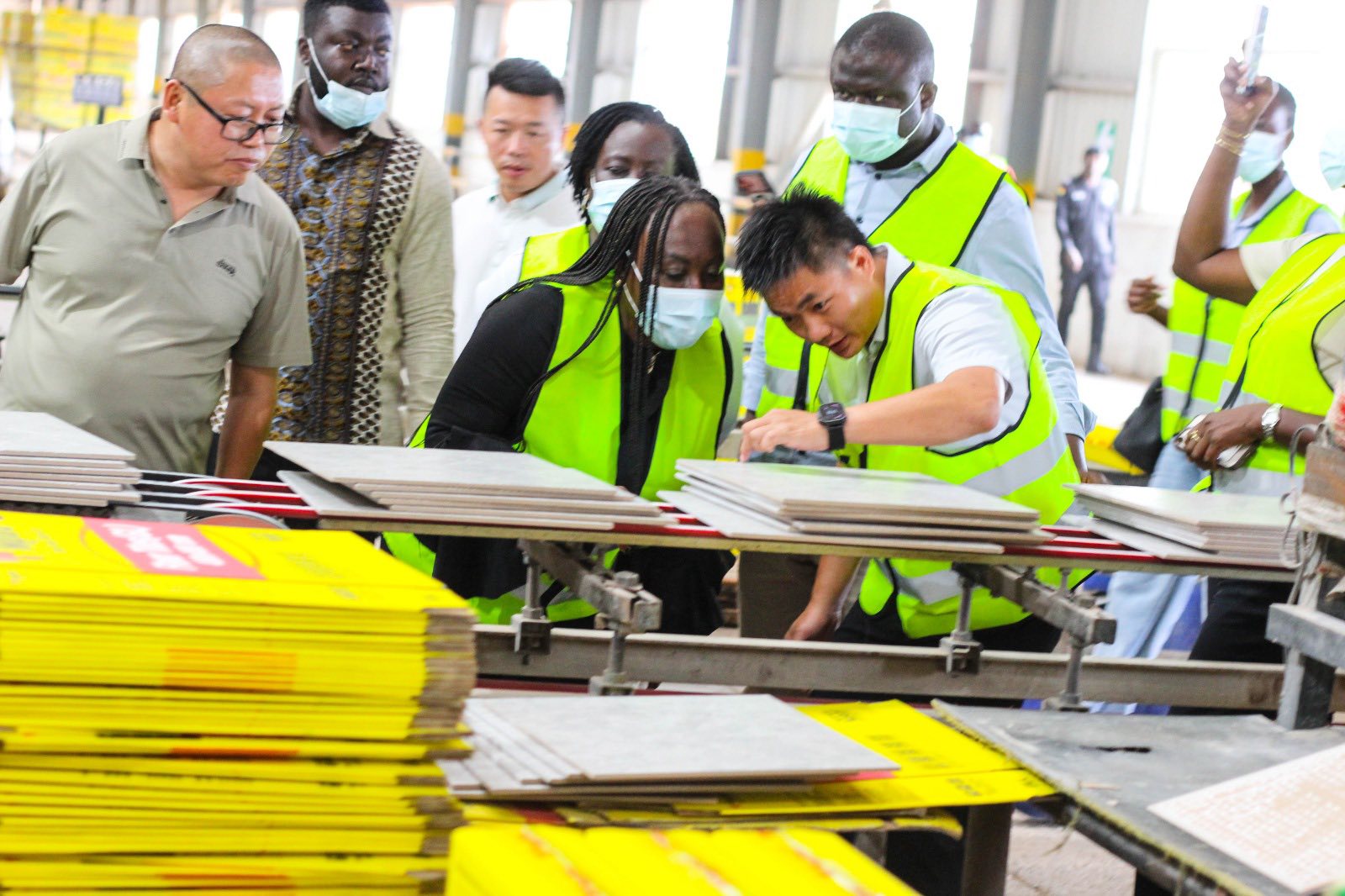
This mega-infrastructure initiative is designed to establish a pipeline corridor connecting Nigeria to Morocco, passing through several coastal African nations, including Ghana.
Within this framework, Ghana Gas is positioned to provide critical pipeline interconnections and compression stations, creating immediate entry points for global engineering and financial partners looking to back large-scale energy logistics between Africa and Europe.
Domestic Expansion Projects and Commercial Opportunities
To meet surging industrial and domestic power demands, the state utility is embarking on a major capital expansion phase and has invited international developers to participate in several commercially viable projects.
Chief among these planned investments is the construction of a Second Gas Processing Plant (GPP II) to expand upon the core infrastructure previously built by SINOPEC and Canada’s Thermo Design Engineering Ltd.
Additionally, the utility is opening up financing pathways for a new 300-kilometer onshore gas transmission pipeline designed to link major industrial zones and natural resource corridors.
Complementing these infrastructure networks is the Pentane Monetization Project, a specialized initiative targeting the recovery and processing of volatile hydrocarbons.
Unlike traditional gas processing facilities where byproduct fractions are flared, Ghana Gas is adopting stabilization and conditioning technology to process these hydrocarbons for safe market disposal.

This environmental, social, and governance (ESG) initiative aims to eliminate resource flaring, optimize plant revenue, and lower government subsidy expenditures on alternative fuels like premix, which has already seen cost reductions of over 60 percent.
The Strategic Investment Case for Ghana’s Gas Sector
Global investors looking to position capital in Africa’s energy transition are being offered an environment backed by institutional stability and robust commercial protections.
Ghana possesses a strong legal framework and an independent judiciary that guarantees a long-standing respect for property rights and eliminates expropriation risks for international assets.

Operating within a competitive, deregulated market environment, the country provides a secure and predictable climate for long-term project finance and infrastructure development.
Furthermore, the state’s forward-looking approach to Liquefied Natural Gas (LNG) provides a resilient mechanism for long-term supply security.
Existing investments in LNG regasification infrastructure and terminal facilities mean the country is commercially prepared to receive spot and term LNG imports as soon as international pricing and payment arrangements become favourable.
Combined with its strategic geographic location, Ghana provides international financiers with a transparent, low-risk gateway to aggregate, process, and distribute natural gas across the expanding West African economic zone.
READ ALSO: SAFA President Backs Bafana to Rise Above Azteca Pressure in WC Opener