German Development Cooperation (GIZ) has moved to support the Government of Ghana’s move toward a more sustainable energy future following the official launch of the Public Facilities Sustainable Energy Action Plan (PF-SEAP) by the Ministry of Energy and Green Transition and the Energy Commission of Ghana.
This national roadmap is strategically designed to help public facilities optimize energy efficiency, significantly reduce operational energy waste, and aggressively scale up capital investments in modern renewable energy solutions.
By establishing clear mechanisms for clean energy integration, the policy framework provides an actionable pathway to transform the public sector’s energy footprint while supporting international climate obligations.
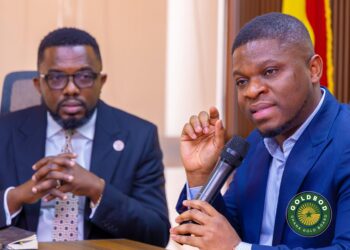
“The launch brought together key stakeholders, including the Deputy Minister for Energy and Green Transition, Honourable Richard Gyan‑Mensah; Board Chairman of the Energy Commission, John Gatsi; Head of Cooperation at the German Embassy Accra, Mrs. Johanna Klotz; representatives from public institutions; and potential investors.”
German Development Cooperation (GIZ)

Backed by the German government, this national initiative expands the structural reach of the first paragraph by deploying targeted institutional reforms and cutting-edge technical frameworks across state-controlled infrastructure.
The PF-SEAP specifically aims to reduce systemic energy waste through rigorous efficiency measures, accelerate the country’s domestic adoption of renewable technologies, and attract over EUR 156 million in sustainable energy investments.
Furthermore, the plan is projected to generate approximately EUR 188 million in long-term savings through cost-effective energy management, a financial turnaround bolstered by the newly inaugurated Institutional Technical Committee a dedicated team of energy experts tasked with providing technical guidance, supporting localized implementation, and ensuring strict alignment with wider national policies.
Economic Recovery and Financial Sustainability
The Deputy Minister for Energy and Green Transition, Honourable Richard Gyan-Mensah, emphasized that the implementation of the roadmap remains a vital component of broader domestic fiscal reforms.
“The PF-SEAP aligns with the government’s broader energy sector recovery programme and with reforms implemented across the energy value chain,” stated Honourable Richard Gyan-Mensah, Deputy Minister for Energy and Green Transition.
This alignment ensures that the action plan acts as an economic buffer, transforming public infrastructure from financial liabilities into self-sustaining nodes of energy efficiency.
From an investment perspective, the project injects critical capital into the local economy by creating an enabling environment for private developers and international financiers.
By targeting over EUR 156 million in sustainable energy investments, the framework addresses the historical funding gaps that have slowed down massive solar installations and smart grid integration across West Africa.
The anticipated EUR 188 million in long-term operational savings will directly ease the financial burden on state utilities, freeing up public funds that can be reallocated to critical sectors like health, education, and rural electrification.
The initiative is part of the Sustainable Energy for Climate Protection in Ghana II (SE4C II) project, commissioned by the Bundesministerium für wirtschaftliche Zusammenarbeit und Entwicklung (BMZ), and implemented by Deutsche Gesellschaft für Internationale Zusammenarbeit (GIZ) GmbH in cooperation with the Ministry of Energy and Green Transition.
This institutional backing ensures that the capital mobilized is guided by international best practices in climate finance.
By standardizing procurement processes for energy-efficient appliances and solar rooftop installations, Ghana establishes a predictable, low-risk marketplace that can reliably attract top-tier global and local green investors.
Institutional Strengthening and Technical Oversight
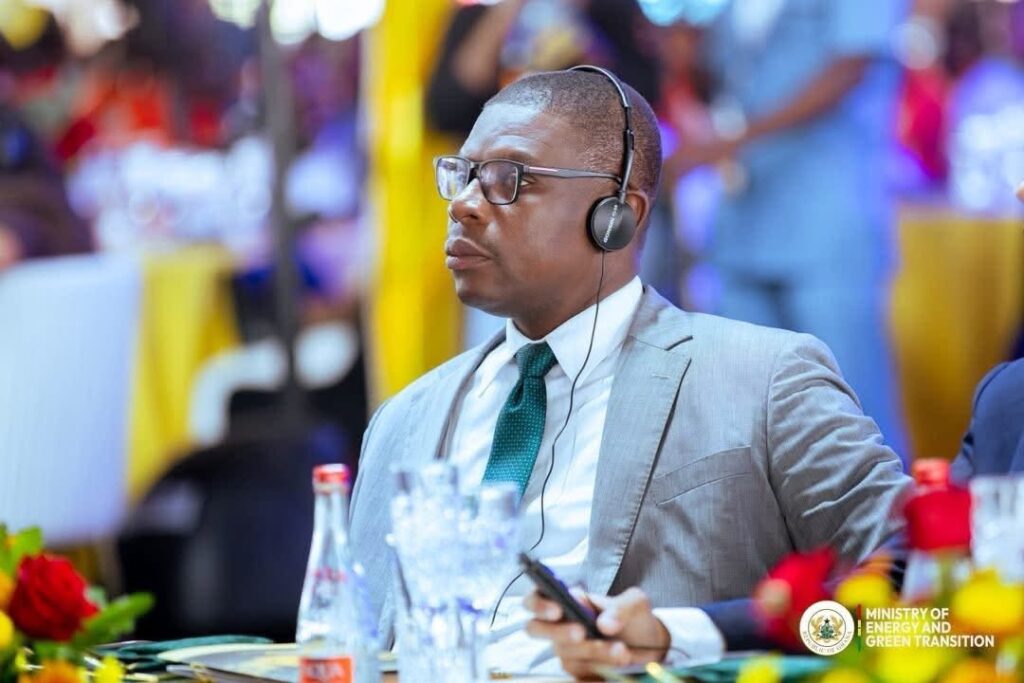
The launch brought together key stakeholders, including the Deputy Minister for Energy and Green Transition, Honourable Richard Gyan‑Mensah; Board Chairman of the Energy Commission, John Gatsi; Head of Cooperation at the German Embassy Accra, Mrs. Johanna Klotz; representatives from public institutions; and potential investors.
This diverse gathering underscores the multi-sectoral approach required to successfully overhaul state energy consumption patterns.

By bridging the gap between policy makers, regulatory bodies, and financiers, the initiative builds a cohesive ecosystem where technical innovations are met with immediate regulatory approval and capital deployment.
Central to this structural execution is the newly established Institutional Technical Committee, which guarantees that technical updates are not left dormant on paper.
This group of energy experts provides the specialized oversight necessary to conduct deep energy audits, certify structural modifications, and manage data tracking systems across hundreds of public buildings.

Their technical guidance prevents the misallocation of resources and ensures that every solar panel, smart meter, and LED lighting system installed delivers measurable returns on investment.
Environmental Impacts and Regional Climate Leadership
On the global stage, this comprehensive action plan positions Ghana as a proactive leader in the sub-Saharan climate movement.
By transforming massive public facilities such as ministries, public universities, and state-owned hospitals into models of low-carbon performance, the government sets a visible benchmark for the domestic private sector to replicate.

The substantial reduction in energy waste directly lowers the demand on the national grid during peak hours, reducing the country’s reliance on secondary fossil-fuel thermal plants and cutting overall greenhouse gas emissions.
The accelerated adoption of distributed renewable energy solutions, particularly rooftop solar photovoltaic systems, directly advances Ghana’s Nationally Determined Contributions (NDCs) under the Paris Climate Agreement.
It demonstrates an authentic transition from fossil-fuel dependency toward a diversified, resilient energy mix that can withstand the vulnerabilities of climate change.
This systematic decoupling of public sector growth from carbon emissions establishes a clean energy template that can be exported as a model to neighboring West African nations.
READ ALSO: Big Push Audit Clears Roads Ministry, Shows 90% Competitive Tenders