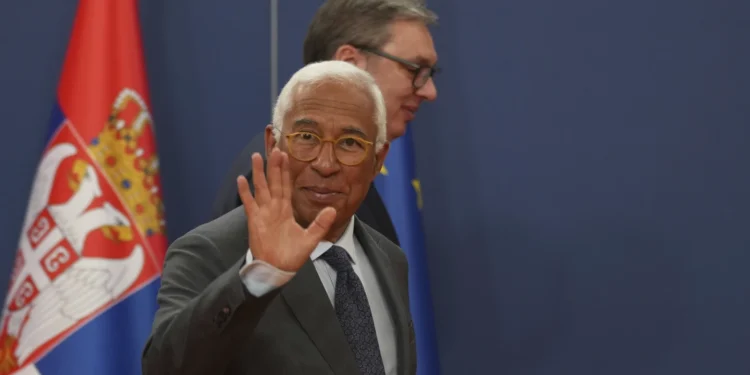
European Council’s President, António Costa has asserted that it’s “a historic week for Ukraine,” as the formal accession negotiations are now under way, and the G7 leaders agreed on “clear and strong support” for the wartorn country.
He noted that there is “a new momentum” in the pursuit of peace in Ukraine, stating, “The EU, the US, and our partners from Canada, Japan, the UK – all of us – are working together to continue to support Ukraine.”
Ukraine and Moldova took a decisive step towards joining the EU on Monday, as they embark on the first phase of membership negotiations. The start of substantive negotiations, launched by senior EU officials and ministers from both countries in Luxembourg was a highly symbolic moment for the two countries that were both part of the former Soviet Union.
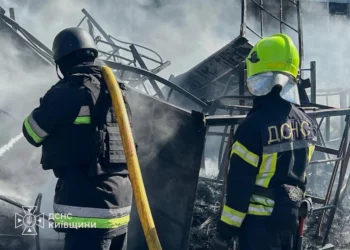
It comes after Russia has intensified its bombardment of Ukrainian towns and cities, while sustaining huge losses for little territorial gain. Ukraine and Moldova were quickly accepted as EU candidate countries in 2022, having filed applications days after Russia’s full-scale invasion.
However, despite a symbolic decision to open talks in June 2024, substantive negotiations were blocked by Hungary’s pro-Russian Prime Minister, Viktor Orbán. The election of a new Hungarian government in April paved the way for EU member states to agree unanimously last Friday to open “the first cluster”, the chapters of the EU rulebook covering rule of law and democracy. Launching this cluster opens the door to talks on other areas, such as the single market, the environment, economic and social policy.
To join the EU, a country must adopt thousands of European laws and decisions, then gain the unanimous approval of existing members. EU officials have praised Ukraine and Moldova’s reform efforts.
Costa’s remarks came as Ukraine’s President Volodymyr Zelenskyy arrived for the EU summit, flanked by him and the European Commission’s President Ursula von der Leyen.
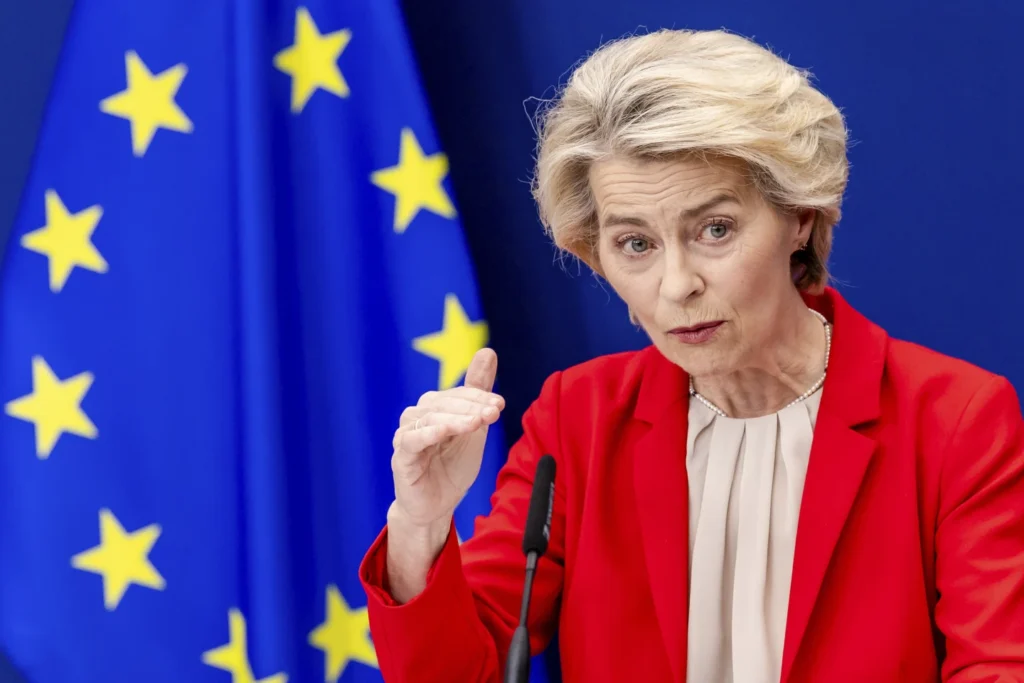
Von der Leyen hit a similar tone as Costa’s, saying that Ukraine “deserves it, because you have been working so hard to move forward with the necessary reforms.” She, too, said, “the tide is turning,” as “Ukraine is holding the line, even partially regaining its territory.” Von der Leyen said that Russia, in contrast, is struggling, with its economy “suffering” and growing digital censorship.
In his response, Zelensky said that it is “a really great moment for Ukraine.” He added that he hopes to discuss the next steps during the summit tonight, and talk about how they can further support Ukraine and pressure Russia’s President Vladimir Putin to the negotiating table.
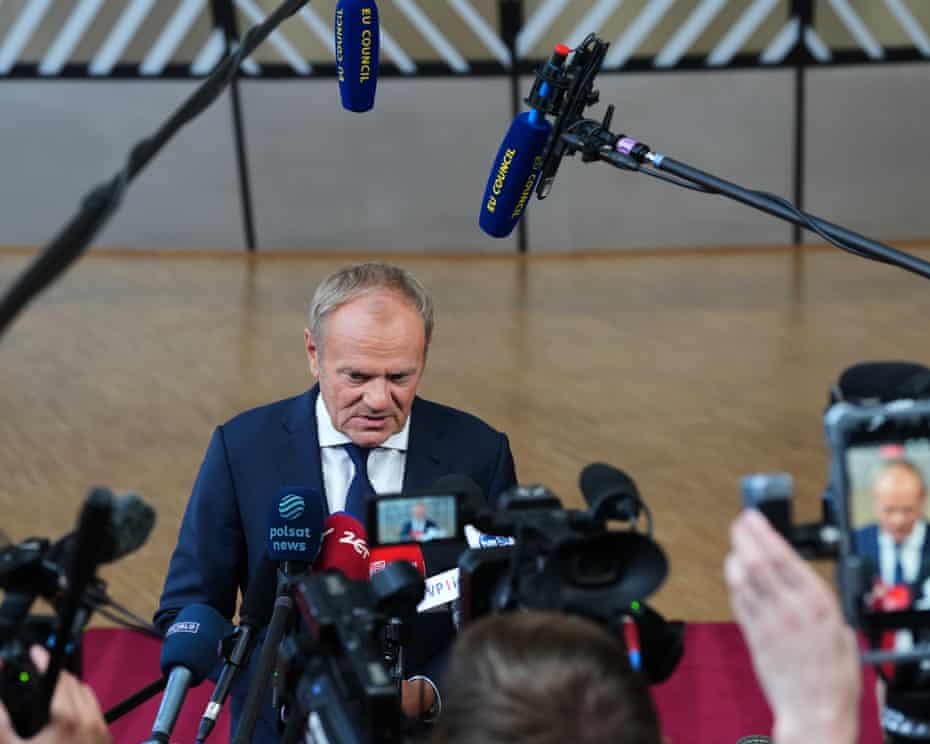
Leaders arrived for the European Council summit on Ukraine, competitiveness, and the next EU budget or “multiannual financial framework.” Poland’s Donald Tusk was among the first ones to arrive and speak to reporters.
The summit will also see some new faces as Bulgaria’s Rumen Radev and Hungary’s Péter Magyar make their formal debuts in Brussels. Magyar will also take part in informal talks in the Visegrad Four format, with his counterparts from the Czech Republic, Poland, and Slovakia, which are getting revived after the last few years of tricky relations with his predecessor, Viktor Orbán. Welcoming Magyar, Poland’s Tusk posted a picture of the four leader, saying, “Make V4 great again.”
Lots of attention during this summit will be on Ukraine and Moldova as they open the first cluster of negotiations in their talks on joining the EU.
Lithuania Supportive Of Ukraine, Moldova EU Accession Process
Lithuania’s President Gitanas Nausėda stated thT he is supportive of the the accession process for Ukraine and Moldova and hopes to see them open all clusters in July, and progress at pace toward a full membership.
On Ukraine, he also said that there is “more and more evidence that the war in Ukraine is coming closer to the Russian population,” which he calls “a gamechanger.” “The Russian population will start to realise that this is not about watching the war on the TV screens, but this is about the war on their own soil,” he said.
He stated that Russia is still not showing that it is “willing to start the peace negotiations, or at least they are willing to for the ceasefire.” He said that any meaningful discussions, including on who should represent the EU, could only take place if Russia changes its attitude first.
He added that the EU still has more instruments it can use to push Russia towards the negotiating table.
READ ALSO: Inadequate Electricity Supply Directly Restraints Long Term Economic Growth – ASEC