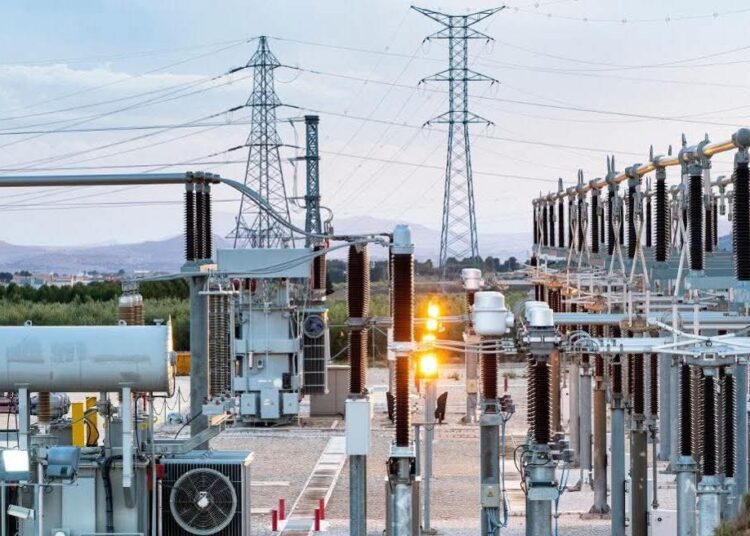
Africa Sustainable Energy Centre (ASEC) has explicitly cautioned that erratic power distribution serves as a major structural impediment to enduring financial stability and overall national progress.
According to the energy think tank, persistent shortfalls within the power sector cause severe ripple effects that fundamentally paralyze industrial expansion and cripple basic public services.
Ultimately, the organization maintains that no country can achieve or sustain meaningful industrial transformation when its primary energy infrastructure is constantly compromised by external disruptions.
“Electricity is the backbone of every economy, both developing and developed. Inadequate supply of power can harm our economy because it can disrupt many several interdependent services such as transportation and financial transactions, health care, public safety, as well as law and order.”
Africa Sustainable Energy Centre (ASEC)

Expanding on this warning, analysts from the center emphasize that electricity operates as the foundational architecture supporting both contemporary emerging and fully industrialized economies worldwide.
When structural deficiencies or environmental degradation interrupt this steady supply, the vital networks of domestic commerce begin to unravel rapidly.
ASEC points out that key domestic sectors face significant operational hurdles when the power grid becomes unreliable, threatening to undo decades of critical infrastructural investment and completely stalling crucial socioeconomic advancements across the nation.
Electricity is the backbone of every economy, both developing and developed. Inadequate supply of power can harm our economy because it can disrupt many several interdependent services such as transportation and financial transactions, health care, public safety, as well as law and order.
The Galamsey Threat to Hydropower and River Ecosystems
The ongoing crisis of illegal small-scale gold mining, locally known as galamsey, presents a direct threat to Ghana’s energy security by accelerating reservoir sedimentation in critical hydropower basins.
As heavy machinery tears through riverbanks, massive volumes of loose topsoil and toxic waste wash directly into primary rivers, severely choking downstream dams managed by the Volta River Authority (VRA).

This sudden influx of particulate matter rapidly reduces the water storage capacity of reservoirs, making turbid density currents increasingly difficult to manage.
Over time, the accumulated silt forces engineers to continuously adapt their extraction methods or suffer catastrophic drops in generation efficiency.
Furthermore, the ecological destruction of these riparian communities undermines the long-term viability of the Volta Lake system.
When river ecosystems are stripped of their natural functions, the delicate balance required to maintain steady water flows for continuous generation is disrupted, posing a severe threat to national grid reliability.
This environmental degradation ultimately triggers a chain reaction, directly stifling long-term macroeconomic stability and reducing industrial output.
Socioeconomic Realities and Alternative Livelihoods
Addressing the structural root causes of illegal mining requires a careful balance between strict regulatory enforcement and the provision of viable economic alternatives for local populations.
ASEC notes that heavy-handed tactical interventions, such as the direct destruction of heavy mining equipment or the abrupt closure of rural concessions, frequently trigger severe social unrest.
Because hundreds of families rely entirely on these informal operations to escape extreme poverty, blunt security crackdowns often leave entire communities completely destitute without resolving underlying land tenure disputes or chronic rural unemployment.
To successfully safeguard water bodies without inciting community resistance, the state must couple law enforcement with robust alternative livelihood programs.
Initiatives like the VRA Cashew for Land (Cashland) project, which successfully handed over a Cashew Demonstration Farm to a community-based organization in the Biakoye District, demonstrate how structured corporate social responsibility can restore degraded land while offering sustainable income streams that steer citizens away from destructive mining practices.
This demonstrates that socioeconomic drivers must be prioritized alongside law enforcement to achieve permanent environmental conservation and protect power systems.
Restoring Traditional Customary Governance and Technical Solutions
To mitigate the severe downstream impacts on the Ghanaian economy, authorities are urged to integrate historical indigenous conservation practices alongside modern technical engineering frameworks.
Prior to the colonial era, traditional chiefs and landowners utilized strictly enforced customary laws such as declaring specific taboos against disturbing water bodies on sacred days and banning livestock grazing near riverbanks to effectively minimize localized deforestation and soil erosion.

Re-establishing this customary water management system, paired with intensive community sensitization on environmental rehabilitation and proper small-scale mining licensing, can significantly accelerate positive behavioral changes.
Concurrently, technical interventions must be deployed to manage existing reservoir sedimentation through specialized engineering methods, including passing sediments around impoundments and venting turbid currents.
By combining traditional ecological knowledge with state-of-the-art reservoir management, Ghana can successfully rehabilitate its heavily polluted water bodies, ensure uninterrupted electricity generation, and protect the broader macroeconomy from the debilitating costs of chronic power shortages.
Ultimately, a holistic approach combining technology, policy, and custom is the only viable path forward for the nation’s energy future.
READ ALSO: Historic Struggles Won Before Reparatory Justice, Ablakwa Tells Leaders