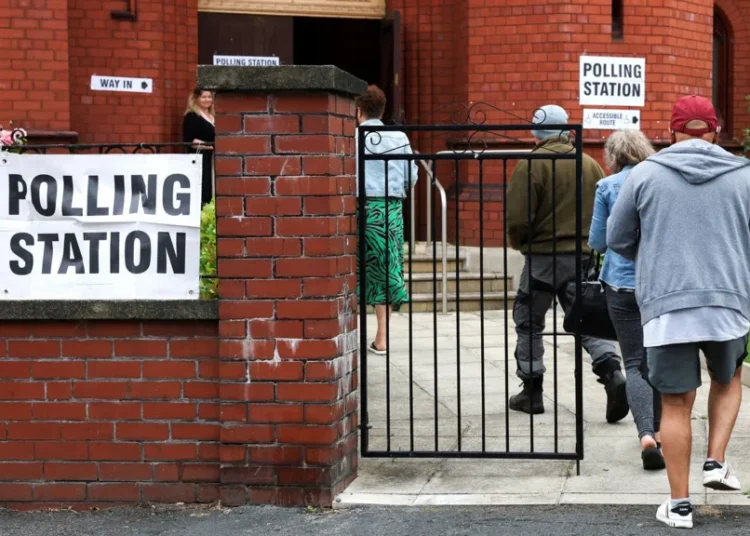
The Makerfield by-election has become one of the most closely watched political contests in Britain, with voters in the northern English constituency heading to the polls amid growing speculation that the result could reshape the future leadership of the governing Labour Party.
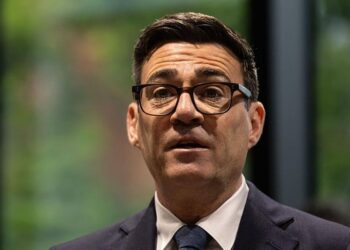
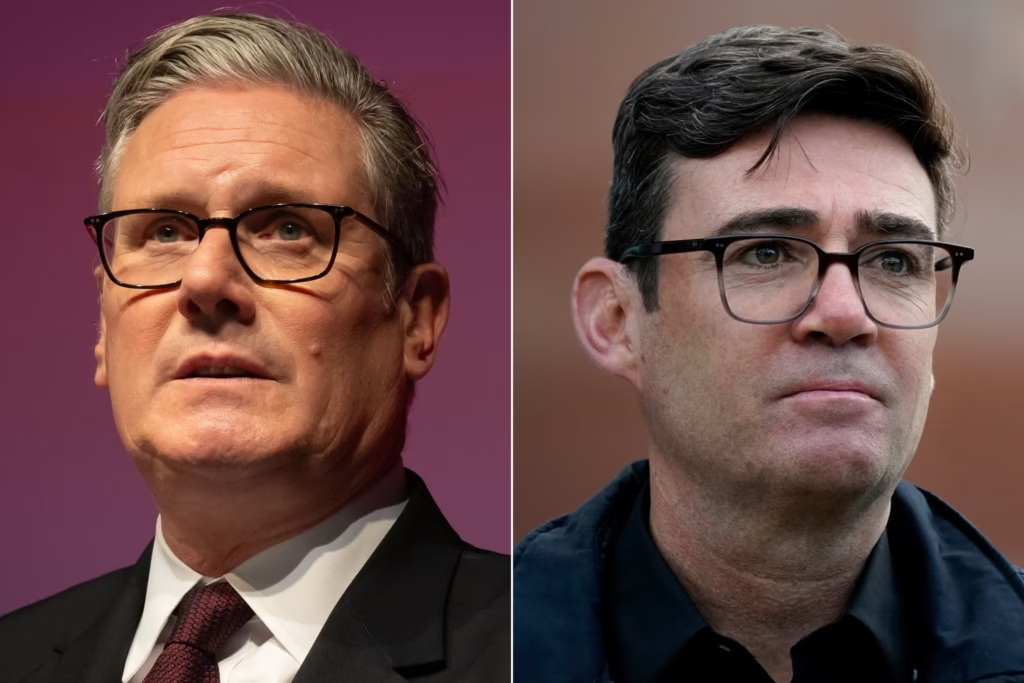
At the centre of the contest is Greater Manchester Mayor Andy Burnham, whose attempt to return to Westminster has transformed what would ordinarily be a routine parliamentary by-election into a major political event with national implications. A victory would not only return the veteran Labour politician to the House of Commons but could also position him as the most serious challenger yet to Prime Minister Keir Starmer’s leadership.
The election was triggered after a Labour Member of Parliament resigned the seat, creating an unexpected opening at a time when political tensions within the governing party are becoming increasingly visible.
While Labour remains in government following its landslide general election victory in 2024, Starmer’s administration has struggled with declining public approval ratings, policy disputes and growing concerns among some party members about its political direction.
In light of this, Burnham’s candidature has garnered significant media attention and generated a lot of conjecture over whether he is laying the groundwork for a potential future leadership campaign.
The 56-year-old politician has experience running for Labour leadership. He has previously run for party leadership in 2010 and 2015, but both times he was unsuccessful. However, Burnham has established himself as one of Labour’s most prominent regional leaders since taking office as Mayor of Greater Manchester, frequently portraying himself as an outspoken supporter of regional investment and local communities.
Throughout the campaign, Burnham has attempted to frame the by-election as a local contest focused on improving economic opportunities and living standards for residents.
Political analysts, Labour members and rival candidates have increasingly interpreted Burnham’s campaign as the opening stage of a broader effort to secure Labour’s top job. His recent speeches have done little to quiet those suspicions, particularly as he has begun outlining policy positions that extend well beyond local concerns.
Addressing supporters during the final stages of the campaign, Burnham signalled a desire for a different economic approach to the one pursued by successive British governments over recent decades.
“Change is coming, but the question tonight is ‘what kind of change? A vote for me is a vote to end 40 years of trickle-down economics that didn’t trickle down much at all to people here.”
Andy Burnham
Meanwhile, Labour party has thrown considerable resources behind the campaign, dispatching senior ministers and dozens of Members of Parliament to support Burnham’s bid. Party officials remain cautiously optimistic about retaining the seat, although the challenge posed by Reform UK has added uncertainty to the race.
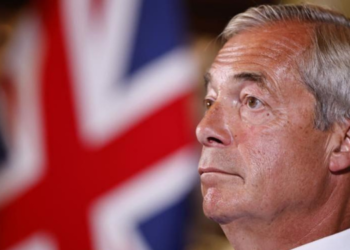
Reform’s candidate, Robert Kenyon, a self-employed plumber from the area, has benefited from growing support for Nigel Farage’s populist movement. Polling suggests Burnham remains ahead, but Reform has emerged as Labour’s principal challenger, reflecting broader political trends that have seen the party gain support in traditionally Labour-leaning communities.
The emergence of another right-wing political force, Restore Britain, has also complicated the electoral landscape, potentially splitting the anti-Labour vote.
With results expected in the early hours of Friday morning, attention is focused not only on who wins the constituency but on what the outcome may reveal about the future direction of British politics.
Leadership Speculation Intensifies as Burnham Rejects Cabinet Offer
Even before votes are counted, the Makerfield by-election has become deeply intertwined with speculation about Labour’s leadership and the future of Prime Minister Keir Starmer.
Although Burnham has stopped short of formally declaring leadership ambitions, he has made clear that he would participate in any future contest should the opportunity arise.
His return to Parliament would significantly strengthen his position, giving him a direct platform from which to challenge the government’s direction and build support among Labour lawmakers.
The prospect of such a challenge has become increasingly prominent as dissatisfaction with Starmer’s leadership grows within sections of the party.
Several senior Labour figures reportedly believe Burnham commands substantial support among parliamentary colleagues and could emerge as a unifying figure capable of preventing a prolonged and potentially damaging leadership battle.
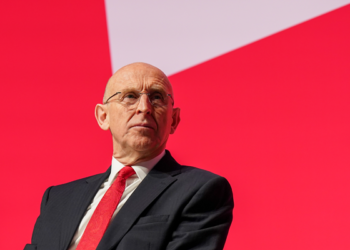
Former Health Secretary Wes Streeting has also been mentioned as a potential leadership contender. However, political observers note that a Burnham victory could reshape those calculations, particularly if he is seen as the strongest alternative to the current prime minister.
Starmer, however, has repeatedly insisted that he has no intention of stepping aside.
The Prime Minister has argued that his political career has been defined by overcoming adversity, pointing to his role in rebuilding Labour following its historic electoral defeat in 2019 and leading the party back to power five years later.
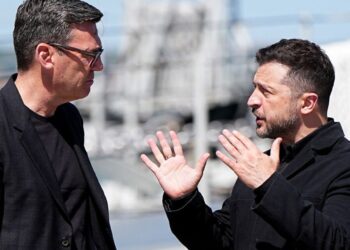
During the G7 summit in Évian-les-Bains, Starmer sought to downplay tensions by signalling that Burnham could play a significant role in government should he return to Westminster.
The Prime Minister also indicated that he would be willing to offer Burnham a cabinet position and said he wanted the Greater Manchester mayor to “play a big part in the Labour government.”
He also stressed that there were no circumstances under which he would voluntarily leave office.
Yet reports from individuals close to Burnham suggest that any cabinet offer would be rejected. Sources have indicated that the mayor has little interest in joining Starmer’s administration, fuelling further speculation that he sees himself as a future leader rather than a minister.
For Labour, the stakes extend beyond internal party politics.
READ ALSO: Yirenkyi’s Late Strike Gives Ghana Winning Start to 2026 FIFA World Cup