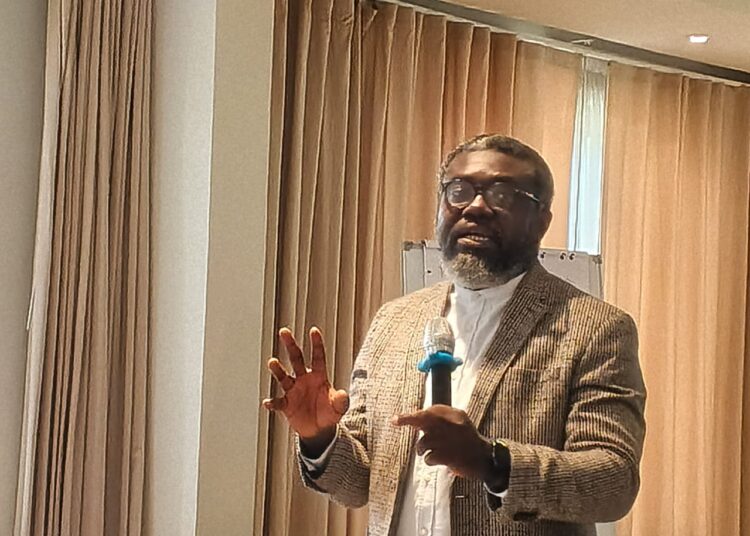
Private Legal Practitioner and Social Activist, Osagyefo Mawuse Oliver Barker-Vormawor, has argued that the Court of Appeal’s decision in the Sedina Tamakloe Attionu case exposes gaps in the evidence presented during the trial. He explained that while the judgement addresses specific legal issues, some aspects of the case record remain unclear and require further examination.
Discussing the outcome of the case, the Social Activist noted that the public would have to consider the complete judicial process before reaching conclusions on the matter. He indicated that the Supreme Court, if the case proceeds there, would have an opportunity to review the evidence and reasoning from the lower courts.

According to Mr Barker-Vormawor, one of the key issues is the inability of the prosecution to establish a direct link between certain missing funds and the former Chief Executive Officer of the Microfinance and Small Loans Centre (MASLOC). He explained that records available in the case did not conclusively demonstrate that the money in question went to Mrs Tamakloe Attionu.
“The Court of Appeal has said there has not been a true showing on the record conclusively for anybody to determine that the money went to her. That much I agree with.”
Osagyefo Mawuse Oliver Barker-Vormawor
The legal practitioner observed that appellate courts often assess evidence through the specific issues they consider relevant to their decisions. From his perspective, reviewing the complete record remains important because some evidence may receive different interpretations at another stage of the legal process.
Furthermore, Mr Barker Vormawor discussed the treatment of certain documents and testimonies during the trial. He pointed to the caution statement admitted as Exhibit AM and explained that its inclusion in the court record suggested it formed part of the evidence available for consideration.
Addressing testimony from regional directors, the lawyer explained that the Court of Appeal questioned whether statements made through investigators could replace direct testimony from the original individuals involved. He noted that the issue also addresses the need for clarity about the exact information provided by witnesses.
“The issue is not simply that information was provided. The question is who made the statements and what exactly was communicated.”
Osagyefo Mawuse Oliver Barker-Vormawor
Meanwhile, Mr Barker-Vormawor indicated that the legal process must allow every court to assess evidence independently based on the materials before it. He explained that a further review by the Supreme Court could provide another opportunity to examine aspects of the case that may have received limited attention during previous proceedings.
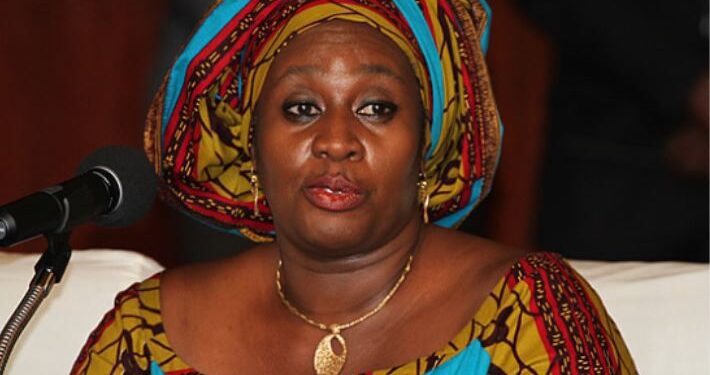
On this matter, the private legal practitioner acknowledged areas where he agreed with the appellate court’s reasoning while also identifying points that require closer analysis. He suggested that the strength of a judgment depends on how effectively the evidence supports the conclusions reached by the court.
Prosecution Methods Face Review Over Financial Loss Cases
Private Legal Practitioner and Social Activist Osagyefo Mawuse Oliver Barker-Vormawor also called for a review of how financial loss cases are investigated and prosecuted in Ghana. He argued that challenges within the prosecution process have contributed to difficulties in securing convictions in some high profile cases.
Addressing the wider legal system, Mr Barker Vormawor noted that cases involving alleged financial loss to the State have faced repeated challenges over the years. He referenced previous matters involving Tsatsu Tsikata, Dr Cassiel Ato Forson and Enosson Annan as examples where similar legal questions have emerged during prosecution.
According to him, the issue arises from how charges are prepared and presented before the courts. He explained that prosecutors must establish clear links between evidence, witnesses and specific charges, especially in complex cases involving several allegations.
“The content of the law itself is not problematic. The issue is how charges are framed and how the evidence connects to each allegation.”
Osagyefo Mawuse Oliver Barker-Vormawor
Furthermore, Mr Barker-Vormawor argued that prosecutors sometimes create multiple charges from related events, which can make cases appear extensive without necessarily strengthening the legal foundation. He explained that criminal charges must be carefully structured to show the specific conduct being challenged and the evidence supporting each allegation.
Turning to the MASLOC case, the legal practitioner referenced the charge of causing financial loss to the State and argued that such an offence requires proof that the action was deliberate. He explained that where steps have been taken to prevent a possible loss, the legal basis for such a charge requires careful examination.
Additionally, Mr Barker-Vormawor highlighted the relationship between investigators and prosecutors as an important part of the criminal justice process. He argued that investigative bodies such as the Economic and Organised Crime Office (EOCO) should gather evidence while independent prosecutors assess the materials before deciding on appropriate charges.
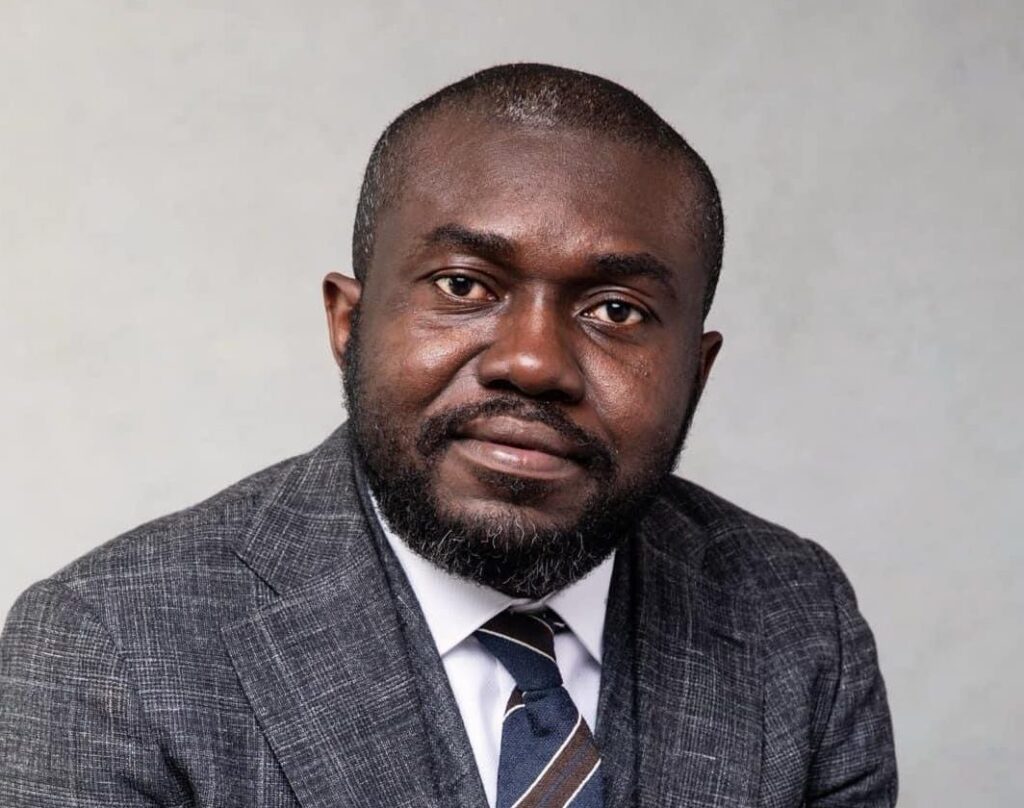
He emphsised that separating investigations from prosecutions would allow an independent review of evidence before cases reach court. He explained that prosecutors should have the opportunity to test the strength of a case and determine whether the available evidence supports the charges being considered.
“The prosecutor must be an independent person who receives the evidence, tests it and decides the offences that should be charged.”
Osagyefo Mawuse Oliver Barker-Vormawor
Moreover, the legal practitioner argued that public pressure surrounding corruption cases can influence how some prosecutions are handled. He suggested that cases involving individuals with public profiles often receive a more detailed examination compared with matters involving people who lack resources or legal representation.
Discussing the issue of equal treatment within the justice system, Mr Barker-Vormawor noted that unrepresented accused persons frequently face difficult circumstances during criminal proceedings. He argued that the standard applied in legal processes should remain consistent regardless of a person’s social position or public profile.
Meanwhile, he explained that public interest in corruption cases should not replace careful legal analysis. He maintained that successful prosecution depends on strong investigations, properly framed charges and evidence that meets the required legal standard.
In addition, Mr Barker-Vormawor urged institutions involved in criminal justice to strengthen cooperation between investigators and prosecutors. He believes improved coordination and independent assessment of evidence will enhance confidence in the prosecution of financial offences.
READ ALSO: Build A Constitution Beyond Politics — Constitutional Review Committee Chairman