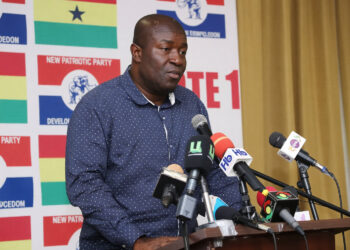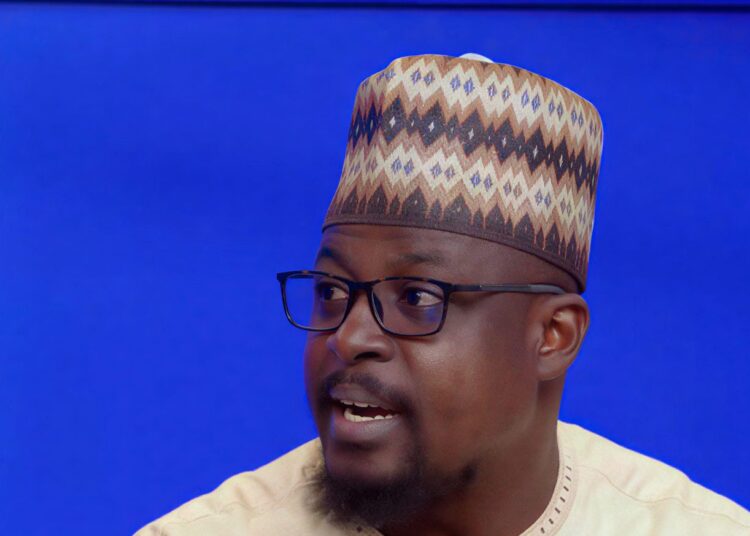
The Member of the NPP Communications Team, Awal Mohammed has argued that the New Patriotic Party never supported the privatisation of the Electricity Company of Ghana. He stated that public debate surrounding recent tariff increments must also consider the long running controversy over reforms within the power distribution sector.
Mr Mohammed explained that discussions around ECG’s inefficiencies intensified after proposals for private sector participation emerged during earlier energy sector reforms. The NPP Communications Team Member said the party inherited an already advanced concession process when it assumed office in 2017.
Mohammed stated that the original arrangement heavily favoured foreign participation before the NPP government pushed for revisions to protect national interest. He noted that the initial framework allocated 80 percent ownership to foreign interests and 20 percent to Ghana. In light of this, the Akufo Addo administration reviewed the structure to secure 51 percent Ghanaian participation and 49 percent foreign ownership.

“We came and met the process already in motion. We reviewed the terms because we could not hand over such a strategic national asset without protecting Ghana’s interest. That was the basis of our intervention.”
Awal Mohammed
Additionally, Mr Mohammed rejected suggestions that the NPP initiated the privatisation agenda. He stressed that the party only reviewed an arrangement that had been developed by transaction advisers under the Millennium Development Authority and international partners.
In explaining the reason for the PDS contract termination, Mohammed said the government acted after determining that the concession was failing to serve the country’s interests.
He recalled that the decision carried financial consequences for Ghana. The NPP Communications Team Member stated that the United States advised against terminating the contract, warning that Ghana would lose 180 million dollars in support.
Despite that warning, he said President Nana Addo Dankwa Akufo-Addo proceeded with the termination to protect ECG. Mr Mohammed argued that the decision demonstrated a commitment to safeguarding strategic national assets over external pressure.
Tariff Increases Rekindle Debate Over Energy Pricing
Awal Mohammed also criticized the recent electricity tariff increments by drawing comparisons with previous adjustments under the National Democratic Congress administration. He argued that the scale and justification of tariff increases remain central to public frustration.
The NPP Communications Team Member referenced historical data from the Public Utilities Regulatory Commission to support his position. He stated that cumulative tariff increments between 2009 and 2016 reached a high percent during the NDC era.
He cited major increases in 2010, 2013 and 2015 as examples of steep upward adjustments. Mohammed noted that the 2015 increment of more than 90 percent coincided with the peak of the nationwide dumsor crisis.
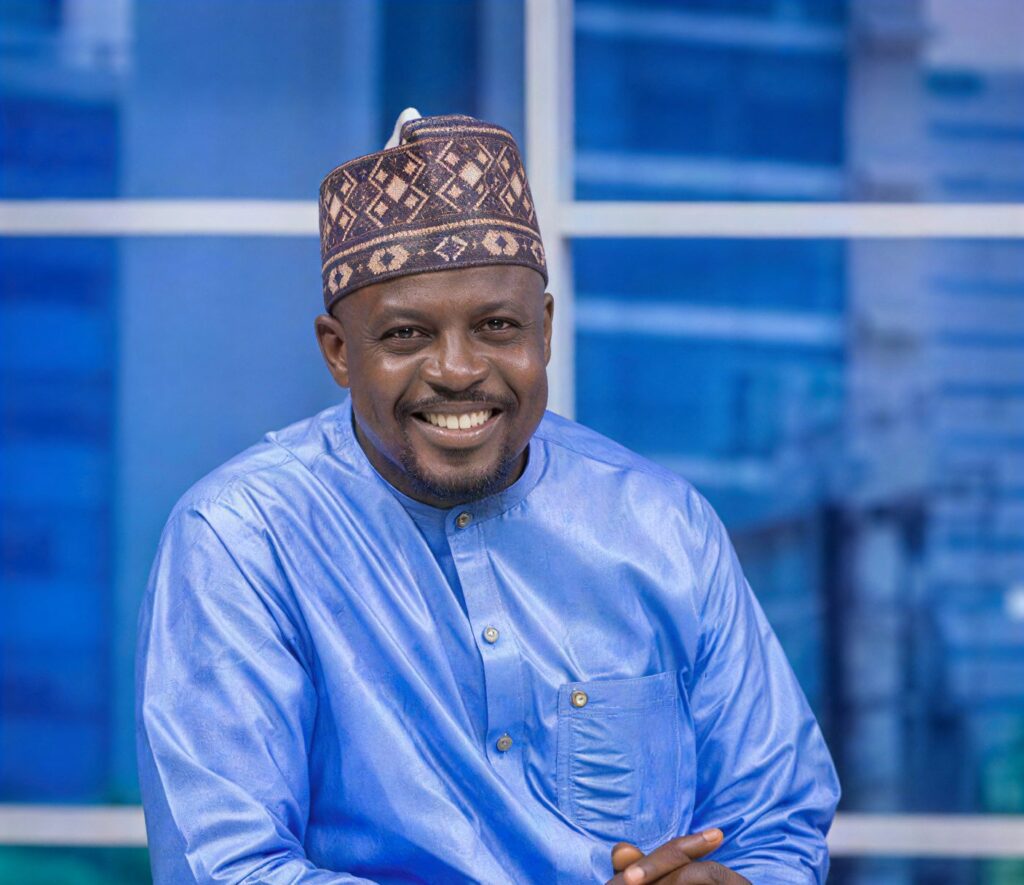
“There should be an increment so that they can function effectively. However, the rate at which these increases occur is the real problem. That is our concern. The rate of increase and the justifications given for it are what we are interrogating. We are not saying there should never be an increase when there is a genuine need for one. However, the level of increment remains troubling, especially because when the NDC comes into office, they often appear fixated on increasing electricity tariffs.”
Awal Mohammed
Turning to the NPP’s record, he argued that tariff management under the Akufo Addo administration followed a more measured path. He said the government recorded several years without increases and even introduced reductions in 2018.
According to Mr Mohammed, the highest adjustment under the NPP was 51 percent in 2023. He argued that this was significantly lower than the cumulative increases recorded during the previous administration.
Furthermore, he recalled statements made by John Dramani Mahama during the dumsor period. Mohammed said the President openly told Ghanaians that stable electricity requires higher payments, a remark he said was widely reported at the time.
Pointing to the campaign promises on electricity pricing, Mohammed argued that recent increases contradict earlier commitments to reduce energy costs for households and industries to support industrialisation.
He referenced promises tied to expanded industrial production and job creation. The NPP Communications Team Member stated that businesses, including manufacturers and artisans such as welders in places like Sunyani, expected relief through lower tariffs.
“Increments will come when necessary, yet the level matters. Even on this table, many agree the latest adjustment lacks convincing justification.”
Awal Mohammed
Mr Mohammed therefore argued that criticism of the latest tariff review is rooted in policy consistency and public accountability. He added that future energy pricing must balance utility sustainability with the economic realities facing households and businesses.
READ ALSO: Tariff Hikes Alone Won’t Fix Power Sector Inefficiencies, Experts Warn