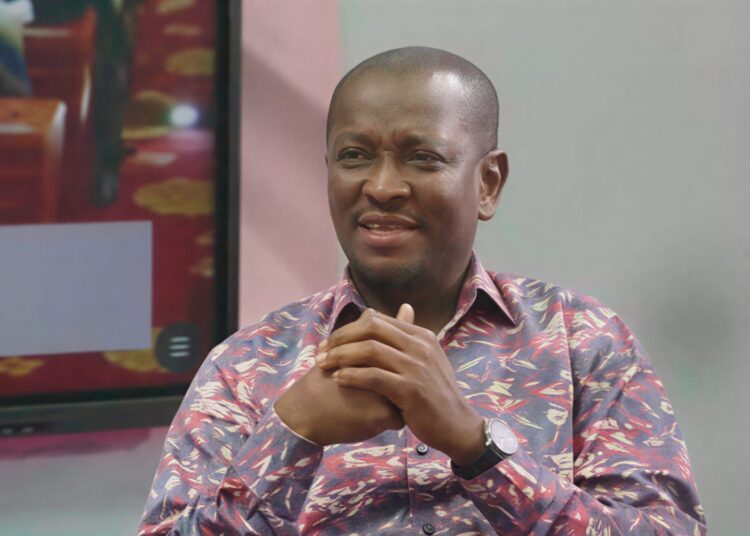
Former Deputy Attorney-General, Alfred Tuah-Yeboah, has argued that legal vacation should continue under established judicial practice while calling for clearer arrangements for urgent matters at the appellate level. Mr Tuah-Yeboah explained that the system has traditionally allowed vacation judges to handle urgent applications while substantive proceedings remain subject to specific safeguards.
The Former Deputy Attorney-General noted that the practice dates back to both the pre-independence and post-independence periods. He explained that vacation judges typically deal with applications and probate matters.
“Vacation judges are supposed to attend to urgent matters, especially matters relating to applications for bail, matters relating to injunctions, matters relating to the administration of estates.”
Alfred Tuah-Yeboah

According to Mr Tuah-Yeboah, the established arrangement does not ordinarily place substantive trials before vacation judges. He explained that such proceedings involve the taking of evidence and cross examination of witnesses, making the participation of counsel particularly important.
The former deputy Attorney-General, however, proposed an adjustment to the system at the higher levels of the judiciary. He suggested that the Court of Appeal and Supreme Court could also have designated vacation judges to deal with urgent applications during the period.
Mr Tuah-Yeboah also explained that substantive cases could still proceed during legal vacation under an established procedure. In such circumstances, he indicated that the lawyers involved would ordinarily be consulted before a warrant is obtained to continue proceedings.
The present dispute, he observed, centres on the reported absence of consultation with lawyers before certain substantive matters were scheduled during the vacation. He therefore linked the disagreement to a departure from a practice that has guided the courts over several years.
The Former Deputy Attorney-General acknowledged that judges possess authority to manage proceedings before them. At the same time, he argued that such authority should operate within recognised judicial procedures when cases are scheduled during legal vacation.
Referencing the positions taken by Samuel Atta Akyea and Godfred Yeboah Dame, Mr Tuah-Yeboah noted that both lawyers have challenged the continuation of their respective cases during the vacation period. He explained that their objections should be understood within the context of the established arrangements surrounding substantive proceedings.
Established Practice Puts Lawyer Consultation at Centre of Dispute
The question of consultation has emerged as a central issue in the debate over substantive cases during legal vacation. Mr Tuah-Yeboah argued that lawyers have a legitimate basis to raise objections when they believe established procedures affecting their clients have been disregarded.
Addressing the position of counsel, the former deputy Attorney-General explained that lawyers are entitled to protect both their professional rights and the interests of their clients. He therefore considered an objection to proceedings during vacation a legitimate step where counsel believes the circumstances require one.
The former Attorney-General illustrated his position with a hypothetical situation involving an unusually long sitting. He suggested that a lawyer confronted with a demand to conduct a trial for 12 hours in a day would be entitled to raise an objection if the arrangement affected the proper conduct of the case.
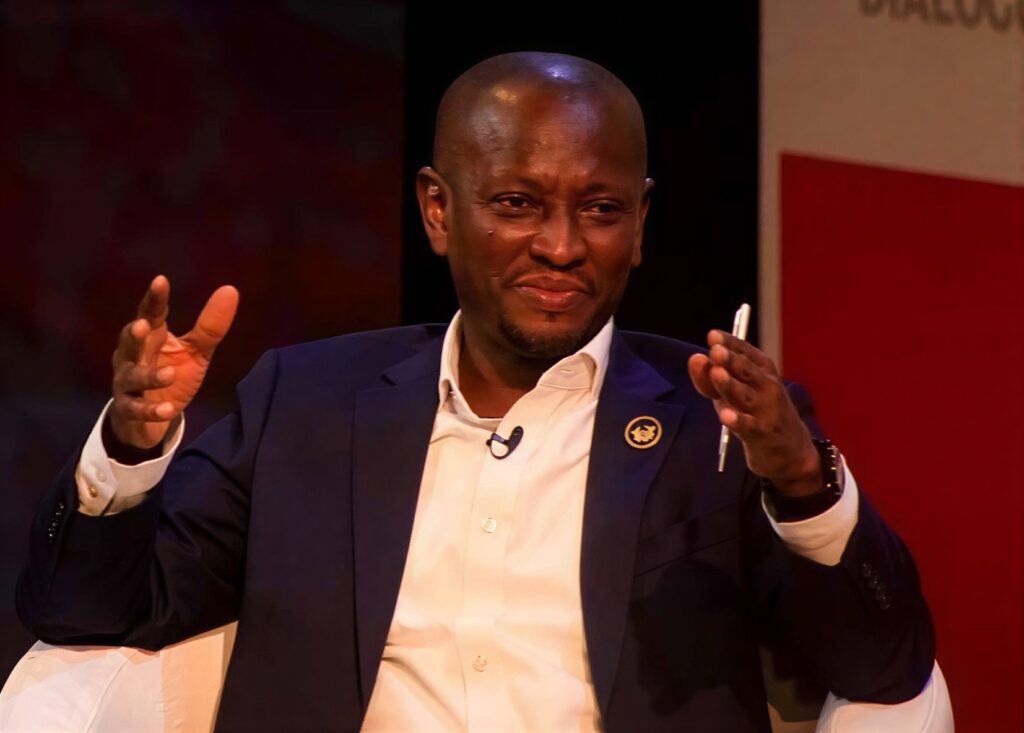
Mr Tuah-Yeboah further linked the issue to the importance of continuity within Ghana’s legal system. He argued that significant changes to longstanding judicial practices require a clear basis so that future generations can understand why the system evolved.
In addition, he referred to a previous case involving Nyhinaaku and Beige Capital as an example of the consultation process. He recalled that the judge in that matter identified a witness who remained under cross examination as the legal vacation approached.
The former deputy Attorney-General explained that the judge subsequently invited both sides to discuss whether proceedings could continue for two days during the vacation. After counsel agreed, the judge sought a warrant from the Chief Justice before substantive proceedings continued.
This example, he suggested, demonstrates how consultation could accommodate both judicial requirements and the availability of lawyers. The process also provided a clear administrative basis for the continuation of the trial during the vacation period.
Nevertheless, Mr Tuah-Yeboah acknowledged that the circumstances surrounding each case may differ. His central argument remained that any departure from longstanding practice should have a clear legal and procedural foundation.
READ ALSO: Putin Threatens Retaliation Over Russian Ship Seizures