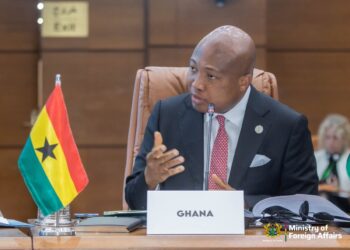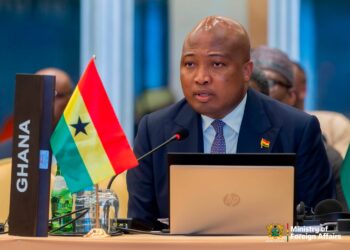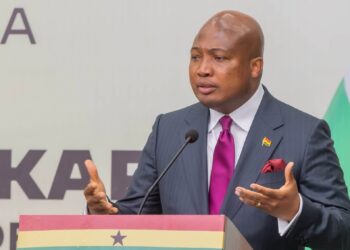
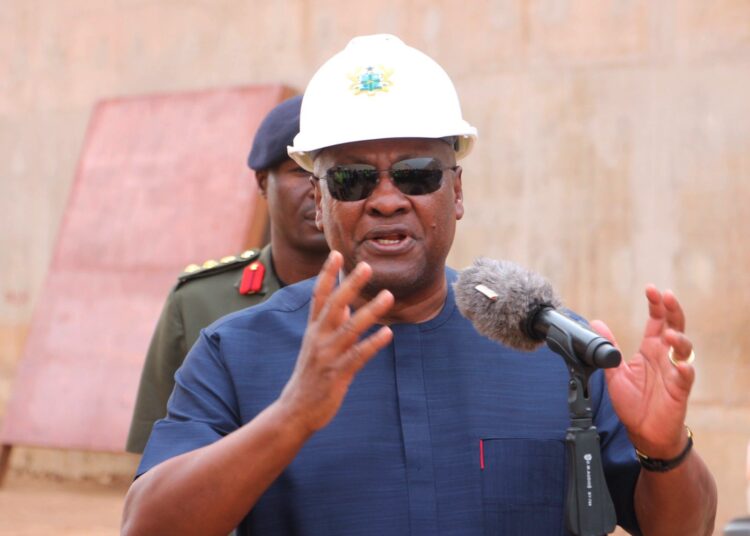
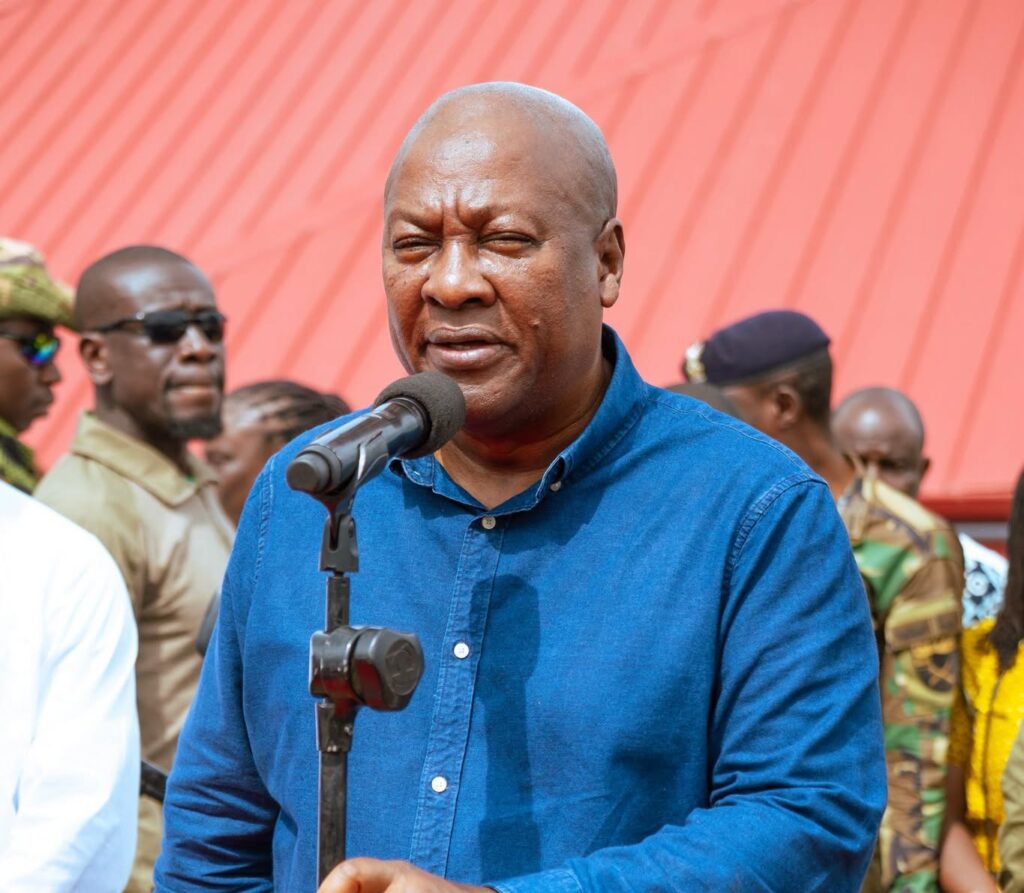
President John Dramani Mahama has unveiled plans to develop a new city as part of a long term strategy to decongest Accra, following widespread flooding that exposed the growing pressure of rapid urbanisation, poor drainage, and environmental degradation in the capital.
The President announced the initiative after conducting an aerial inspection of flood-affected communities across Accra, where he assessed the scale of destruction caused by heavy rainfall that began on Sunday night and continued into Monday.
Speaking after the tour, Mr. Mahama said the flooding reflected deeper structural problems that require both immediate intervention and long term planning.
Flooding Highlights Need for New Urban Growth
President Mahama attributed the recurring floods to a combination of climate change, engineering challenges, and human activities that continue to obstruct natural waterways.
“We just finished an aerial tour of Accra to inspect the flooded areas. Unfortunately, the flooding has been very extensive today for several reasons,” he said. According to the President, rainfall in Accra has increased steadily over the past three years.
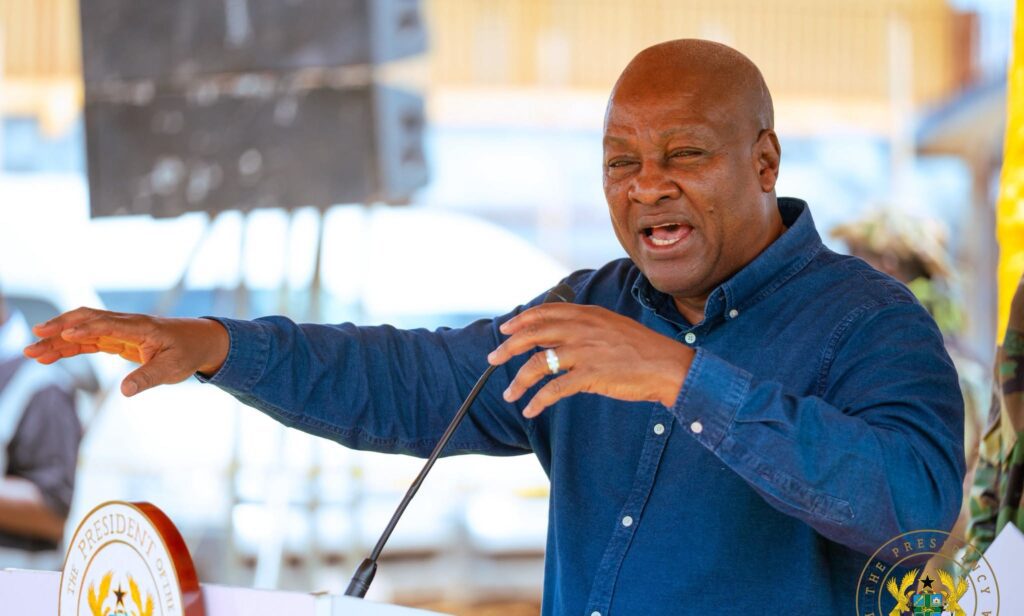
“If you look at the rainfall pattern from 2024, 2025, 2026, you see that increasingly every year we’re getting more rain in Accra than we used to get.”
President John Dramani Mahama
He explained that Accra’s geographical location between the Akwapem Mountain Range and the Atlantic Ocean was manageable when the city had a much smaller population.
“Accra is built between two natural bodies, the Akwapem Mountain Range and the Atlantic Ocean. As the population continues to increase and people continue to build, it restricts the path of the streams on their way to the Atlantic. So that’s an engineering problem.”
President John Dramani Mahama
New City Planned to Ease Pressure on Accra
President Mahama said one of the government’s long term solutions is to create a new centre of growth outside the capital to reduce population pressure and uncontrolled urban expansion.
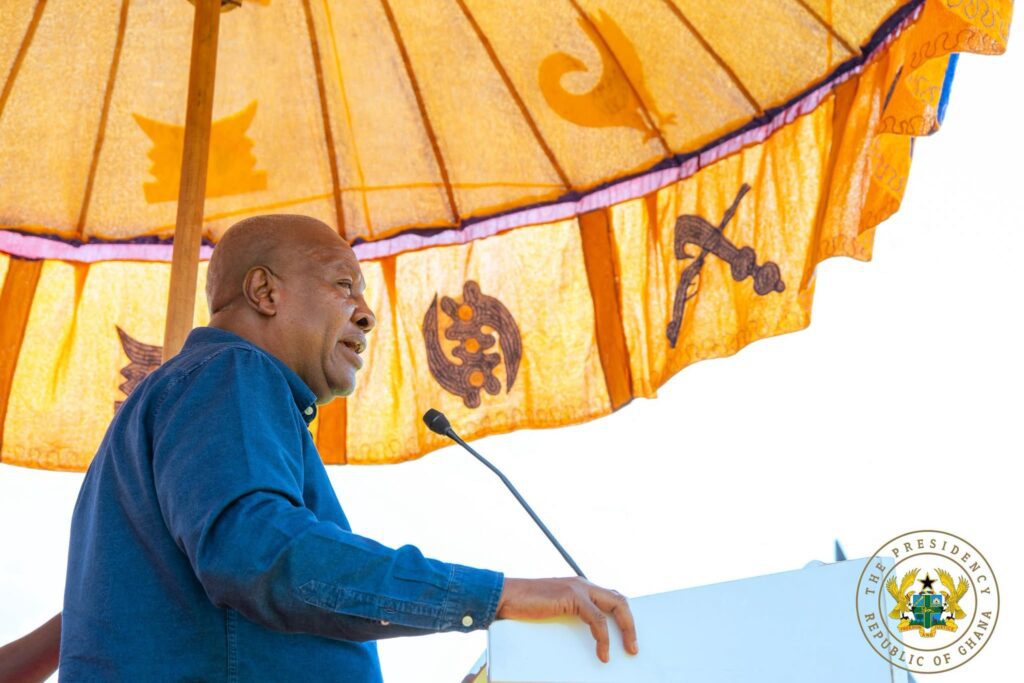
“Ultimately, the other solution will be to decongest Accra and that’s why we’re planning to move some of the city out, that is the major government departments, and then also create a new center of growth so that our people start building outside Accra in a new city instead of everybody looking for some space in Accra to build.”
President John Dramani Mahama
He acknowledged that the proposal would take years to implement but described it as essential to addressing the capital’s growing infrastructure challenges.
The proposed development aligns with the government’s 20-year Green Digital City Project, a modern smart-city initiative intended to serve as both an administrative and an economic hub.
The project will extend across the Greater Accra, Volta, and Eastern regions, stretching from the Dawa Industrial Zone through the Saglemi Housing Estate and the Bundase Military Range before reaching the Volta Lake.
Government plans indicate the city will feature modern infrastructure, organised commercial districts, regulated markets, sustainable transport systems, and environmentally friendly building standards.
Smart City to Drive Economic Growth
Beyond easing congestion, the Green Digital City is expected to support the government’s broader economic transformation agenda. The city is designed to operate as a 24-hour commercial and administrative centre, supporting continuous business, financial, and digital services.
Renewable energy will play a central role through the planned 200 megawatt peak Solar for Industries project at Dawa together with the Norbert Anku Solar Energy Project.
The initiative also seeks to promote green industrialisation, including electric vehicle mineral processing, while adopting ecological sanitation systems, modern drainage infrastructure, and sustainable urban planning principles. Implementation will take place in four phases over a twenty year period.
Government has already established an inter ministerial committee to oversee feasibility studies and design work, while a transaction adviser is expected to structure future public private partnerships supported by bilateral cooperation and existing Chinese infrastructure investments.
Engineering and Human Behaviour Must Change
While outlining the long-term vision, President Mahama stressed that immediate action is required to tackle the engineering failures and environmental practices contributing to flooding.
“Even in the air we discovered many illicit dumping sites. Where the wetlands are, people have gone to create a waste dumping ground, and when it has filled sufficiently they sell the land to people to come and build on it.”
President John Dramani Mahama
The President noted that government often faces criticism when removing structures obstructing waterways but insisted that such actions are necessary to protect lives and property.
He announced that the National Security Council will meet to coordinate nationwide efforts to identify blocked drainage channels. District assemblies will work with the Ministry of Works and Housing to locate and remove obstructions along waterways.
Government Announces Relief Measures
President Mahama expressed sympathy for residents who lost homes and property during the flooding.
He praised the military, the National Disaster Management Organisation, the Ghana Police Service, the Hydrological Authority, the Ministry of Works and Housing, emergency responders, and the 48 Engineers Regiment for their rescue operations.
The President also directed the Minister for Finance to release resources from the contingency fund to support post flood relief efforts. Following the aerial inspection, officials concluded that Ghana must address both engineering shortcomings and public attitudes to prevent future disasters.

The Ministry of Works and Housing has been tasked with implementing technical solutions while encouraging citizens to adopt responsible environmental practices. Calling for lasting action, President Mahama urged Ghanaians not to postpone difficult decisions.
“But let us change our attitude and let us find a permanent solution to this Accra flooding problem. We shouldn’t become like the vulture who anytime it is raining he says as soon as it stops raining, he’ll repair his roof.”
President John Dramani Mahama
Overall, the proposed Green Digital City has the potential to reshape Accra’s future by easing population pressure, relocating key government institutions, and creating a modern hub for business, innovation, and sustainable living.
If successfully implemented, it could reduce congestion, improve urban planning, strengthen climate resilience, and allow the capital to grow more efficiently while opening new economic opportunities beyond Accra.
READ ALSO: Paraguay End Germany’s Penalty Mastery to Reach World Cup Round of 16