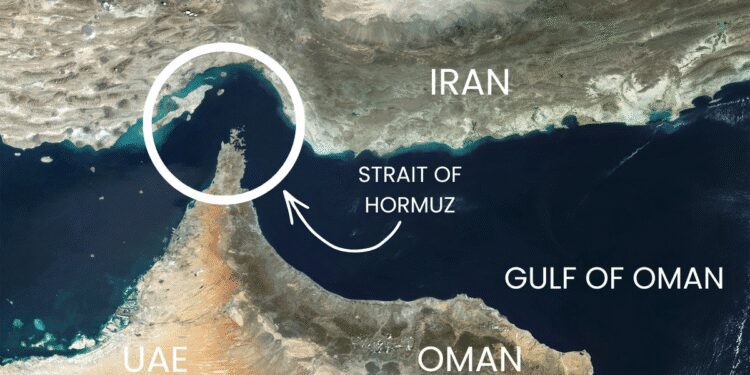
Iran’s military headquarters has warned that any US interference in the Strait of Hormuz will be met with a “decisive and swift response” as tensions continue to roil negotiations.
It stressed that the continued presence of US fighter jets over the strait “causes insecurity in this waterway and threatens regional security.” “Any attempt by the United States to interfere in security matters or any disruptive action in the Strait of Hormuz will be considered a threat to Iran’s national sovereignty and will be met with a rapid and decisive reaction,” the Iranian warning added.
Also, Iran’s joint military command warned that all oil tankers moving through the Strait of Hormuz must use its approved routes or face a “forceful response,” again ratcheting up tensions over a waterway crucial for international energy supplies.
The strait, the narrow mouth of the Persian Gulf, has emerged as one of the top issues in negotiations to reach a permanent end to the Iran war. The statement from the Khatam al-Anbiya military command, reported by Iranian state television, comes after both USand Iranian diplomats met with mediators yesterday in Qatar.
“Any failure to comply, deviation from the designated route, or disregard for the navigation protocols of the Islamic Republic of Iran in the Strait of Hormuz will be met with an immediate and forceful response from the armed forces, endangering the security of the violating vessels.”
Khatam al-Anbiya
Iran and the United States agreed as part of an interim deal to allow ships to pass without paying charges for 60 days. However, Tehran insisted that it must control the routes of the vessels and later charge fees for passage, upending decades of practice in the waterway.
The US and many Gulf Arab states say they won’t agree to the charges. An effort by Oman and a United Nations agency to launch a new route near Oman’s shore sparked attacks across the Mideast last weekend, highlighting the tensions.
Additionally, the Khatam al-Anbiya warned the United States and Israel against any “miscalculation,” saying it will be met with a “harsh” response.
“We warn the enemies of a strong Iran – especially the United States, the Zionist regime, and their regional accomplices – to avoid any miscalculation… They should think twice about any threat or aggression against our beloved country.
“We declare our full readiness to safeguard the independence, security, and territorial integrity of the Islamic Republic of Iran.”
Khatam al-Anbiya
The US military’s Central Command had put out a statement about having a meeting with officials from Mideast nations in Bahrain that said “leaders underscored their shared commitment to the free flow of commerce through the Strait of Hormuz.”
Iran criticised the US-led regional security meeting hosted by Bahrain, after senior military officials from 12 Middle Eastern countries met with US Central Command (CENTCOM) to discuss regional defense cooperation and maritime security.

Iran’s Foreign Ministry Spokesman, Esmail Baghaei in a post on X said that Washington had “constantly demonstrated its complete contempt for genuine peace and security in West Asia,” dismissing such meetings as “nothing more than performative posturing.”
Baghaei accused Washington of seeking to conceal the US’ “destabilising policies and lawless behavior in the region” and urged regional states to “remain vigilant and draw clear lessons from the most recent US and Israeli military aggressions.”

Meanwhile, Pakistan and Qatar confirmed that progress was made during the indirect talks between Iranian and US delegations in Doha.
Pakistani Foreign Ministry Spokesperson Tahir Andrabi said that despite the tensions, yesterday’s talks saw “positive progress.” He told journalists that Pakistan hoped the next round of talks would be scheduled as soon as possible after late Iranian Supreme Leader Ayatollah Ali Khamenei’s funeral.
Iran is preparing for the funeral that begins this weekend for the late Supreme Leader, who was killed in the war’s first moments in February. Iran’s Supreme Leader Mojtaba Khamenei will not attend the funeral ceremonies for his father, the former Supreme Leader Ali Khamenei, because of security concerns, the current leader’s representative in India has said.
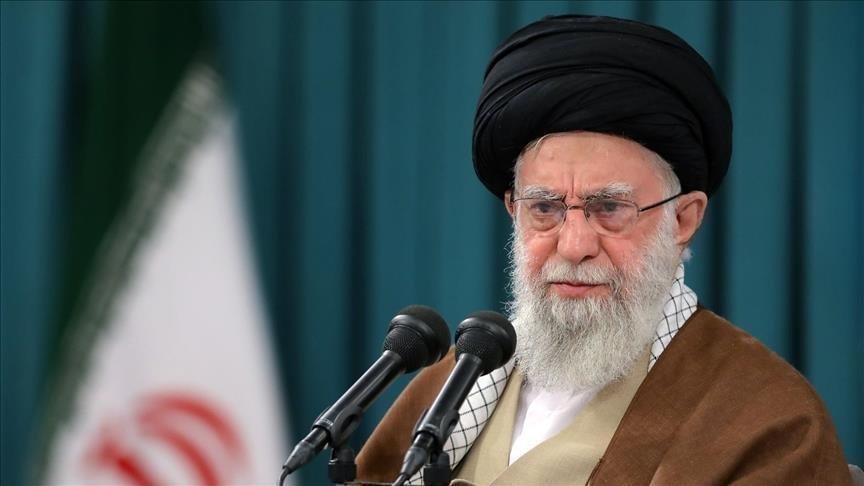
Ayatollah Hakim Elahi told a news channel that Israel’s continuing threats against Iran’s leaders was the reason Mojtaba Khamenei would not be able to attend.
Israel’s Defence Minister Israel Katz had recently threatened that Khamenei was “marked for death,” promoting a terse response from Iran, whose foreign minister warned that future threats would be met with a “powerful response.”
Qatar also reported “positive progress” as the US and Iran conclude indirect technical talks in Doha on issues related to the memorandum of understanding signed on June 17.
READ ALSO: School Block Contracts To Include Mandatory Teacher Accommodation — Education Minister