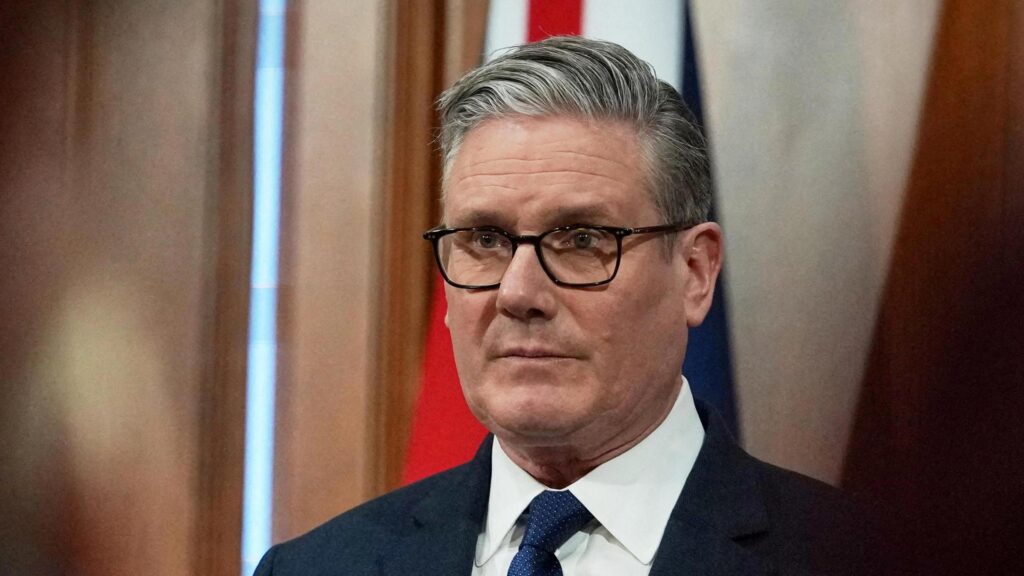
The British government is set to formally apologise for one of the darkest chapters in its modern social history, with Prime Minister Keir Starmer expected to acknowledge the state’s role in the historical forced adoption of thousands of babies in England and Wales during the mid-20th century.
The apology, to be delivered in the House of Commons, marks the first time UK government has officially accepted responsibility for policies and practices that saw an estimated 185,000 babies taken from unmarried mothers during the 1950s, 1960s and 1970s.
Many of the women involved have long maintained that they were subjected to intense pressure, coercion and social stigma, leaving them with little or no choice but to surrender their newborn children for adoption.
Before addressing Parliament, Keir Starmer will meet campaigners, mothers, adoptees and family members at Downing Street, recognising decades of advocacy by survivors who have fought to secure official acknowledgement of the lasting trauma caused by forced adoption practices.
The announcement follows years of growing public scrutiny, media investigations and parliamentary examination into the treatment of unmarried mothers during a period when social attitudes frequently viewed pregnancies outside marriage as shameful. Campaigners have consistently argued that countless women were deprived of informed consent and that state institutions, together with charities and religious organisations, created an environment in which vulnerable mothers were pressured into relinquishing their children.
Momentum for an official apology intensified after the Joint Committee on Human Rights (JCHR) published a landmark report in March, concluding that government policies had played a direct role in creating conditions that enabled widespread forced adoptions.
According to the committee, official decisions had “shaped the environment in which unmarried mothers were often shamed and coerced into having their children put up for adoption.”
The report recommended that the government urgently issue a formal apology while introducing measures to improve access to historical adoption records and strengthen support services for individuals attempting to trace biological relatives or reconnect with separated family members.
Although the committee stopped short of recommending financial compensation for victims, it urged the government to carefully examine how other jurisdictions including Australia, Northern Ireland and the Republic of Ireland have responded to historical forced adoption practices and whether additional forms of redress should be considered.
The forthcoming apology represents a significant milestone for thousands of families whose lives were permanently altered by policies that reflected the social values of the time. Many women have spent decades living with grief, guilt and unanswered questions after losing children shortly after birth, while adoptees have described lifelong struggles with identity, belonging and the emotional consequences of separation from their birth families.
The issue has steadily gained national attention in recent years, driven in part by investigative reporting and testimony from survivors willing to publicly recount deeply personal experiences.
Education Secretary Bridget Phillipson confirmed earlier this month that the government was preparing to issue a formal apology, describing the period as one that demanded national reflection.
“The Prime Minister will have more to say on this shameful period in our history, reflecting the gravity of what has happened.”
Bridget Phillipson
The apology is anticipated to become one of the present government’s defining symbolic acts, as it strives to acknowledge historical injustices caused by prior state policies.
Inquiry, Apology Fuel Calls for Long-Term Support
The government’s decision follows mounting institutional recognition that public authorities, alongside religious and charitable organisations, contributed to a system that frequently denied unmarried mothers meaningful choices over the futures of their children.
The Joint Committee on Human Rights concluded that the state did not act alone. Its report found that government policies were reinforced by charities and religious institutions responsible for operating mother and baby homes, where many women stayed during pregnancy before being separated from their infants.
According to the committee, these organisations played an important role in implementing policies that reflected widespread social attitudes towards unmarried motherhood during the period.
The findings have prompted several institutions to publicly acknowledge their historical responsibility.
In June, the Church of England issued its own formal apology for its involvement in forced adoption practices.
Delivering the apology, the Archbishop of Canterbury, Dame Sarah Mullally, expressed regret for the suffering experienced by mothers and families.
Victims, she said, endured “pain and trauma and suffering and fear when you should have received care and compassion,“ adding, “you have nothing to be ashamed of. The shame is ours.”
United Kingdom’s decision also follows similar acknowledgements elsewhere.
The devolved governments in Scotland and Wales issued formal apologies in 2022, recognising the harm caused to thousands of families by historical adoption practices.
It is also anticipated that Northern Ireland will issue an apology, but officials have stated that this will come when a public investigation into workhouses, Magdalene laundries, and mother and infant facilities.
READ ALSO: IMANI Boss: Mahama Administration Refocused GARID Funds to Deliver Flood Protection