United Nations has launched a landmark global dialogue on artificial intelligence governance, bringing together governments, technology companies, academics, civil society organisations and technical experts in a bid to shape the future rules of one of the fastest-evolving technologies in human history.
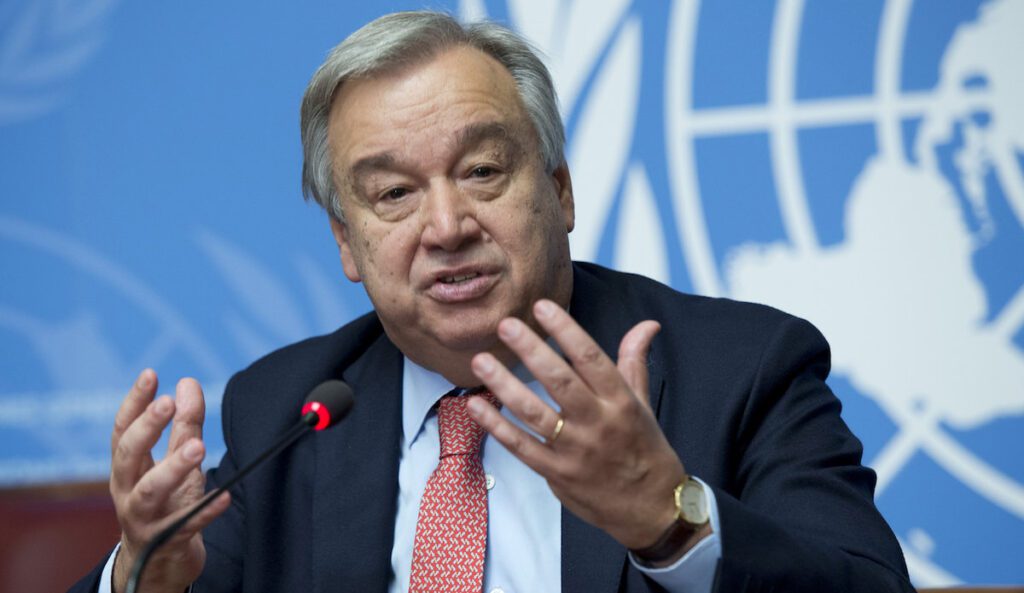
According to UN Secretary-General António Guterres, artificial intelligence is advancing at a pace that risks outstripping the ability of governments and institutions to regulate it effectively, unless urgent and coordinated action is taken.
“AI is advancing at runaway speed. The question is whether we will govern it together or let it govern us.
“For the first time, the AI Dialogue gives every country a seat at the table. We must now turn global participation into global action to make AI safer, fairer, more accessible and more ethical,”
António Guterres
The initiative, mandated by the UN General Assembly, is designed to correct growing imbalance in global AI rule-making, where regulatory frameworks have largely been shaped by technologically advanced nations while developing countries often most exposed to AI’s social and economic impacts have had limited influence in decision-making processes.
UN officials added that, the dialogue aims to ensure that global AI governance reflects the priorities of all nations, not just those at the forefront of technological innovation. Discussions will focus on key issues including the opportunities and risks associated with artificial intelligence, bridging the global AI divide, strengthening international cooperation, and establishing robust human oversight of AI systems in line with international law.
UN General Assembly President Annalena Baerbock further indicated that, “this Global Dialogue is not merely about regulating a technology. It is about defining a shared vision in which technological progress goes hand in hand with human dignity, equity, and sustainable development.”
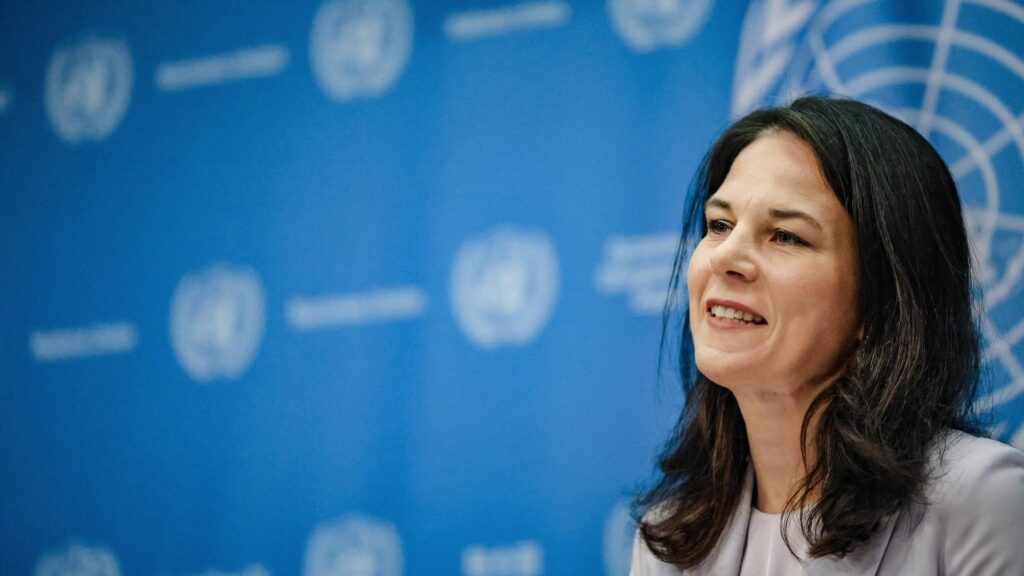
“If governed responsibly and collectively, AI has the potential to accelerate progress across nearly every Sustainable Development Goal, offering powerful new tools in healthcare, education, scientific research, disaster preparedness, and agriculture.”
Annalena Baerbock
Baerbock added that the initiative demonstrates the UN’s ability to respond to emerging global challenges with urgency and relevance, countering perceptions that multilateral institutions are slow to adapt to technological change.
The Global Dialogue comes at a time when artificial intelligence governance is already being shaped through a patchwork of national regulations, corporate standards, procurement rules and bilateral agreements.
However, UN officials warn that these efforts remain uneven and fragmented, raising concerns that global disparities in AI development could deepen existing inequalities between countries.
Calls Grow for Inclusive AI Governance
The UN-led process follows six months of global consultations involving governments, civil society organisations, private sector actors, academic institutions and technical experts.
More than 1,500 written submissions were received from across all regions, highlighting divergent priorities but also emerging areas of consensus on the need for continued international cooperation.
According to the consultation findings, governments were the only stakeholder group to prioritise capacity-building as their top concern, while most other participants ranked safety as the most urgent issue. Other key themes included transparency, accountability, human oversight, and the broader social, cultural, ethical and linguistic implications of AI development.
One notable consensus emerging from the process is the demand for continuity. More than 500 submissions called for the dialogue to extend beyond its initial timeframe, reflecting concerns that AI governance cannot be addressed through a single round of discussions.
The initiative also follows the release of a preliminary report by the Independent International Scientific Panel on Artificial Intelligence, which provides governments with a shared evidence base on the rapid evolution of AI systems and warns that existing safeguards are struggling to keep pace with technological advancement.

Amandeep Singh Gill, UN Under-Secretary-General and Special Envoy for Digital and Emerging Technologies, described the moment as a milestone in international cooperation.
“The Global Digital Compact gave the multilateral system two things it never had before: an independent scientific panel to assess AI’s impacts and opportunities, and a global dialogue where every government has a seat at the table.”
Amandeep Singh Gill,
Amandeep Singh Gill added, “today, for the first time, both come together. That is what makes 6 July a turning point not just for AI governance, but for how the international community responds to transformative technology.”
Moreover, International Telecommunication Union Secretary-General, Doreen Bogdan-Martin warned that billions of people remain outside the digital economy, raising concerns that AI could widen existing inequalities if not carefully managed.
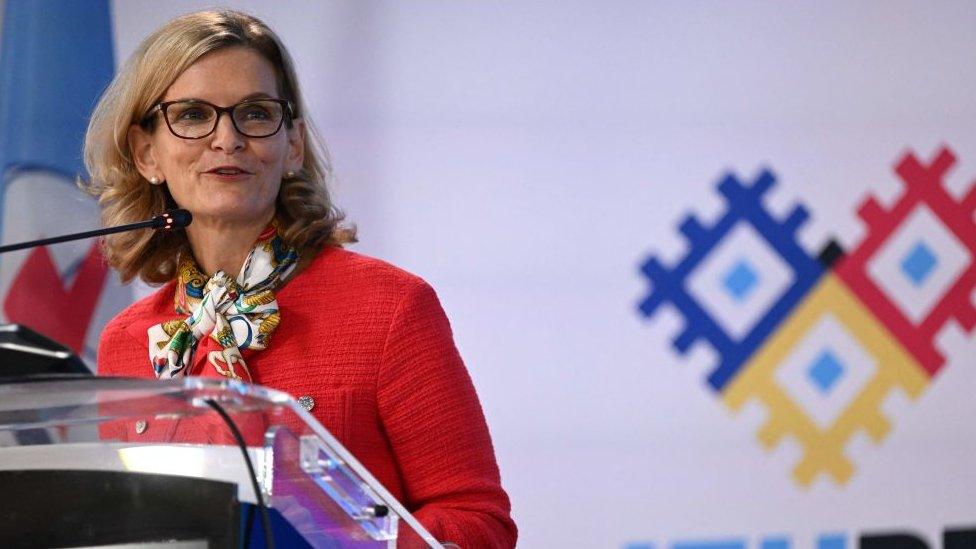
“For AI to benefit all people, technology and international cooperation must move forward together. The Global Dialogue on AI Governance has sharpened the world’s focus on building an AI future that includes everyone, especially the 2.2 billion people who have yet to join the digital world.”
Doreen Bogdan-Martin
UNESCO Director-General Khaled El-Enany also highlighted that rapid technological development must not come at the expense of linguistic and cultural diversity.

“Humanity’s rich and diverse cultural and linguistic heritage is our greatest source of creativity, identity and resilience, but we must ensure Artificial Intelligence strengthens, rather than erodes this diversity.”
Khaled El-Enany
With artificial intelligence becoming more integrated into economic systems, government structures, and daily life, UN officials assert that the decisions made during this debate will define not only technological advancement but also the future of global collaboration.
READ ALSO: Iran Begins Funeral Procession For Late Supreme Leader