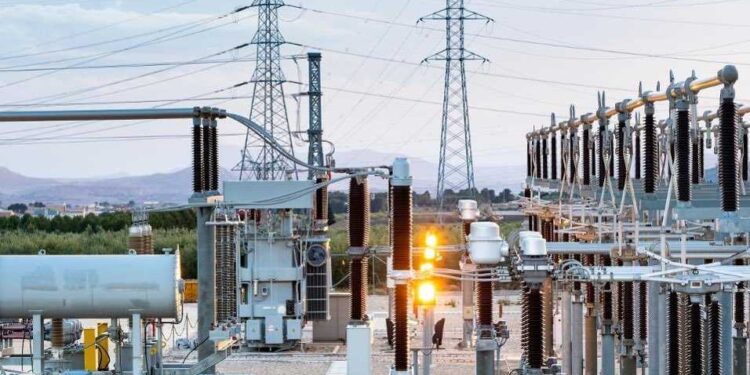
Ghana’s efforts to restore financial stability to its troubled energy sector have suffered a significant setback after the World Bank downgraded the implementation performance of the Ghana Energy Sector Recovery Programme from “Moderately Satisfactory” to “Unsatisfactory.”
The financial institution cited delays in executing key reforms, disruptions caused by the country’s political transition, and administrative bottlenecks that have slowed the delivery of critical interventions.
The downgrade, contained in the Bank’s latest Implementation Status and Results Report, signals growing concern over the pace of reforms intended to improve the financial viability of electricity distribution utilities and expand access to clean cooking solutions across the country.
The assessment comes at a critical time for Ghana’s energy sector, which remains under pressure from mounting utility debts, persistent distribution losses, rising operational costs and the need to mobilise investment to support industrialisation, energy transition and universal energy access.
The Energy Sector Recovery Programme, approved in 2024, was designed to tackle some of these long-standing structural weaknesses by improving the financial health of electricity distribution companies, particularly the Electricity Company of Ghana (ECG) and the Northern Electricity Distribution Company (NEDCo), while accelerating reforms in metering, revenue collection, clean cooking and sector governance.
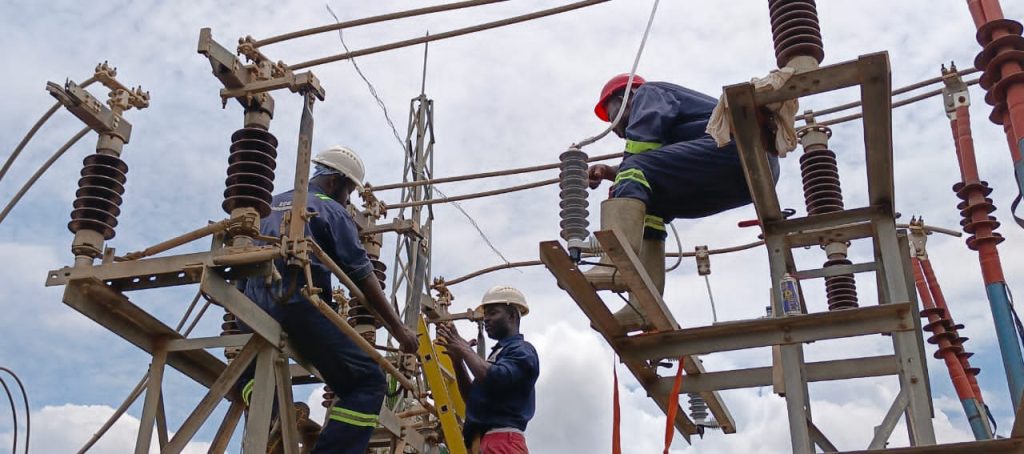
Rather than questioning the relevance of those objectives, however, the World Bank’s latest review points to implementation challenges that have slowed progress. According to the report, programme delivery has been affected by changes in government, procurement delays and restrictions on disbursements, resulting in several key performance targets falling behind schedule.
“Program implementation timelines were affected by national elections and the transition to the new administration. The achievement of key Program disbursement linked results was delayed due to the formulation of new procurement directives and disbursement caps.
“It is expected that with better coordination among implementing agencies and the Government on approvals processes, the Program’s delivery will be accelerated to achieve intended outcomes.”
World Bank, Implementation Status and Results Report: Ghana Energy Sector Recovery Programme
Major reforms slowed by implementation delays
The World Bank’s findings suggest that the programme’s biggest challenge is not a lack of policy direction but the slow pace of implementation. Several reforms intended to modernise Ghana’s electricity distribution system remain behind schedule because procurement processes and financing approvals have not progressed as anticipated.
Among them is the nationwide rollout of smart electricity meters, regarded as one of the programme’s flagship interventions for improving revenue mobilisation, reducing commercial losses and strengthening customer management.
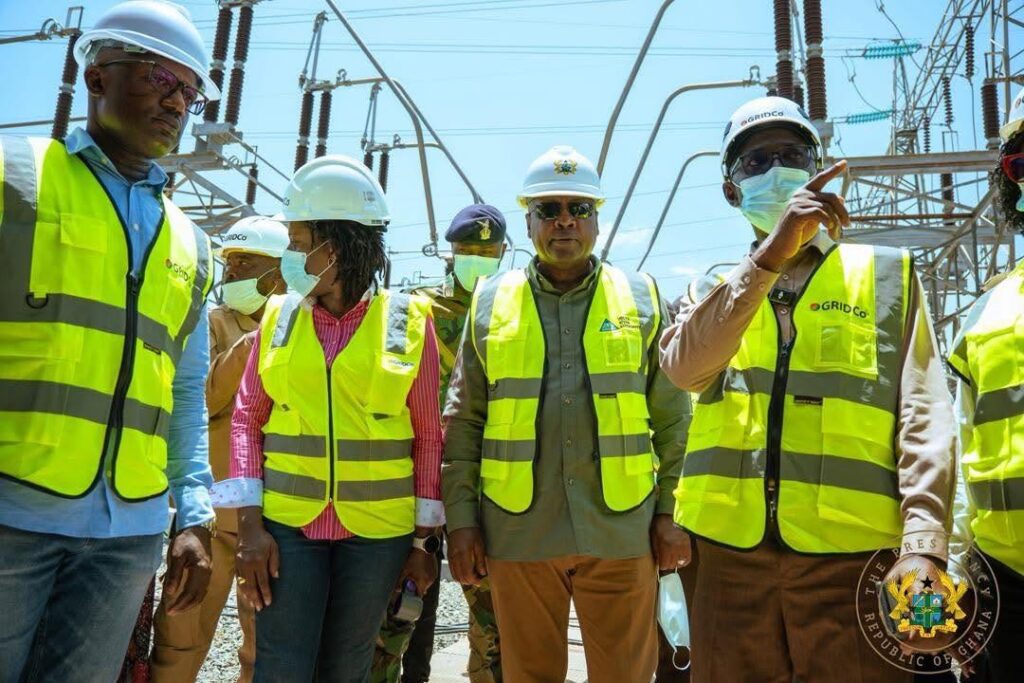
The programme aims to install 1.05 million smart consumer meters by 2027, but as of May 2026, none had been installed under the programme. The report indicates that competitive procurement processes remain ongoing while implementation has yet to commence.
The delay has wider implications for ECG’s financial recovery because improved metering is expected to reduce illegal connections, improve billing accuracy and strengthen electricity revenue collection, areas that have historically contributed to the utility’s financial difficulties.
The report also notes that implementation of customer information systems, district-level energy accounting reforms and several operational improvements intended to strengthen distribution efficiency remain incomplete.
Clean cooking programme falls behind
Another area where implementation has slowed is Ghana’s clean cooking agenda. Improving access to cleaner cooking technologies forms one of the programme’s two principal development objectives.
The initiative seeks to reduce dependence on traditional biomass fuels through the distribution of LPG cookstoves to households, schools and institutional users while supporting women-led businesses operating within the clean cooking value chain.
Although approximately 38,000 people had benefited from clean cooking interventions by May 2026, the programme remains well below its target of providing access to about 457,000 people by 2027.
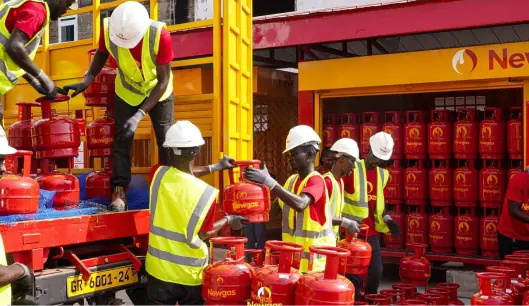
The report further shows that implementation has slowed because several procurement activities and disbursements required to expand distribution have not progressed as planned.
This has implications beyond household energy access, particularly as Ghana continues to promote clean cooking as part of its broader climate, health and gender inclusion objectives.
The programme also targets a reduction in greenhouse gas emissions while increasing participation by women-led enterprises in the clean cooking value chain.
Financial recovery remains a work in progress
The downgrade also reflects continuing challenges in improving the operational performance of electricity distribution companies. Although some indicators have shown progress, ECG remains some distance from achieving several of the programme’s financial recovery targets.
Electricity losses have declined compared to the programme baseline but remain significantly above the end-of-programme target, while collection efficiency continues to trail the level required to restore the utility’s financial sustainability.
These indicators are particularly important because reducing technical and commercial losses is expected to lower operational costs and improve the sector’s ability to meet its financial obligations without continued government support.
ECG successfully produced its audited financial statements for the 2025 financial year, meeting one of the programme’s transparency milestones. However, other reforms, including the integration of an invoicing system for Independent Power Producers (IPPs) into the utility’s financial management system, have yet to be completed.
Similarly, GRIDCo’s proposed Security Constrained Economic Dispatch framework, intended to optimise electricity generation by prioritising lower-cost plants and reducing overall generation costs, has not advanced as expected because consultant procurement remains pending.
Implications for Ghana’s energy sector
The World Bank’s assessment comes as Ghana continues to pursue broader reforms aimed at strengthening energy security, attracting private investment and improving the financial sustainability of the power sector.
In recent months, government has announced initiatives to expand renewable energy generation, increase natural gas utilisation, promote clean cooking technologies and improve electricity supply to support the proposed 24-Hour Economy programme.
The latest report suggests, however, that achieving these ambitions will require stronger implementation capacity alongside policy commitments. For investors and development partners, the downgrade serves as an indication that while Ghana’s energy reform agenda remains intact, execution risks continue to pose challenges.
Delays in procurement, financing approvals and inter-agency coordination can affect the pace at which reforms translate into measurable improvements across the sector. At the same time, the World Bank does not suggest that the programme has lost relevance.
Rather, it argues that implementation can recover if coordination improves and government approval processes become more efficient. For Ghana, the findings reinforce a broader lesson that has become increasingly evident across the energy sector.
Long-term financial sustainability will depend not only on introducing new policies or securing development financing but also on the timely execution of reforms that improve utility performance, strengthen governance and enhance operational efficiency.
As Ghana seeks to build a more resilient energy sector capable of supporting industrial growth, expanding electricity access and delivering its energy transition objectives, the pace of implementation may ultimately prove as important as the policies themselves.
READ ALSO: Mahama Government’s Logistics Support to Security Agencies Unprecedented, Muntaka