
The Ghana School Feeding Programme Coordinator, Hajia Fati Forgor has stated that the introduction of the School Connect digital platform is transforming monitoring and data collection across beneficiary schools. She indicated that the system has simplified field operations and strengthened collaboration with development partners supporting the programme.
Addressing a special monitoring exercise in Accra, Madam Forgor explained that the digital initiative has already demonstrated its value in improving programme implementation. According to the GSFP Coordinator, the visit offered practical evidence that technology can enhance accountability and support informed decision making.
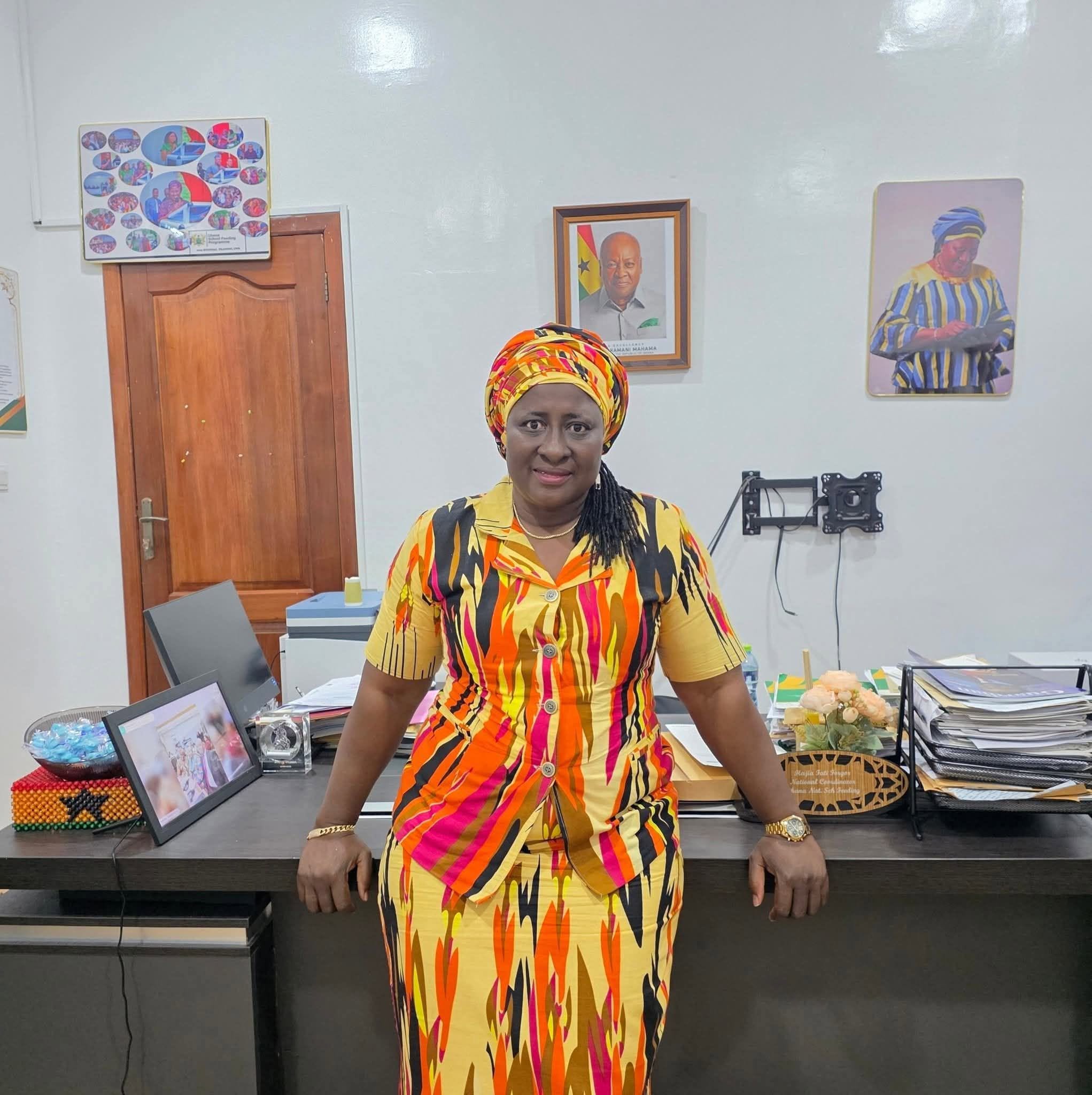
She recounted that the School Connect platform was launched several months ago with a commitment to ensure its full implementation. In her view, the monitoring exercise confirmed that the programme is achieving its intended purpose across participating schools.
“Our visit to this school today has proven that it is actually the way to go. It has made the data collection much easier. It is our hope that our development partners will support us to extend it to more schools.”
Hajia Fati Forgor
Furthermore, Madam Forgor observed that the digital system has reduced the burden associated with collecting programme data in the field. She explained that the technology enables officers to capture information efficiently while improving the quality of monitoring reports.
The GSFP Coordinator also acknowledged the partnership of development organisations that have invested in strengthening the programme. She suggested that the results witnessed during the exercise would encourage additional support to expand the digital initiative beyond the current beneficiary schools.
Against this backdrop, she remarked that extending the School Connect platform would improve supervision across the country and provide timely information for programme management. The official added that wider deployment would strengthen transparency while enhancing service delivery to schools.
Additionally, Madam Forgor emphasised that technology has become an essential tool for improving public service delivery. She argued that reliable information gathered through digital platforms supports effective planning and helps authorities respond promptly to operational needs.
The monitoring exercise also enabled officials and development partners to observe the practical application of the system in a school environment. The GSFP Coordinator remarked that the experience reinforced confidence in the programme’s direction and demonstrated that sustained investment in innovation can strengthen school feeding interventions across Ghana.
Nutritious Meals Remain Priority As School Feeding Expands
The Ghana School Feeding Programme Coordinator also praised the caterers for maintaining the quality of meals served to pupils while outlining new measures to improve food service standards across beneficiary schools. She indicated that the programme would continue working with stakeholders to improve hygiene, food presentation and the overall dining experience for children.
Discussing the outcome of the monitoring exercise in Accra, Madam Forgor said officials were satisfied with the quality of meals served during the visit. The GSFP Coordinator explained that while meal portions remain a challenge, the nutritional value of the food continues to meet expectations.

“You all tasted the meal and saw how yummy the food was. In terms of quality of the food, I think everybody can attest to that. So I would say kudos to the caterers.”
Hajia Fati Forgor
Moreover, she disclosed that the programme would intensify education for caterers on proper hygiene and food handling practices. According to Madam Forgor, caterers would also be encouraged to wear appropriate attire, serve meals in food warmers and maintain clean serving environments.
The GSFP Coordinator added that improving food presentation remains an important aspect of delivering quality services to schoolchildren. She explained that these measures would complement efforts already being made to provide pupils with nutritious hot meals every school day.
In addition, Madam Forgor highlighted another challenge affecting several schools, namely the shortage of bowls for children receiving meals. She revealed that while some pupils have bowls, many still depend on shared containers or arrive without suitable utensils.
According to her, the situation demonstrates that deprivation still exists within parts of the capital despite widespread assumptions about living conditions in Accra. She noted that some communities continue to face economic hardship and therefore benefit significantly from the School Feeding Programme.
“It is not everybody in Accra that is well to do. There are actually people who are deprived and they are benefiting from this particular programme.”
Hajia Fati Forgor
Furthermore, Madam Forgor observed that communities once considered distant from the city centre have gradually become part of metropolitan Accra. Even so, she explained that many families in such areas still require social intervention to support children’s education and nutrition.
The GSFP Coordinator also acknowledged the contributions of development partners including the World Food Programme and the World Bank. She said their continuous support has strengthened programme delivery and improved monitoring systems across participating schools.
“The children are always served with a nutritious hot meal a day with the kind support of the Ghana Government and our development partners.”
Hajia Fati Forgor
Similarly, Madam Forgor commended the leadership of the Minister for Gender, Children and Social Protection, Dr Agnes Naa Momo Lartey, as well as the Chief Director, Dr Mariam Yakubu, for supporting the programme’s implementation. She added that the combined efforts of ministry officials, development partners, caterers and the media have contributed to improving service delivery and ensuring pupils continue to receive nutritious meals in a safe environment.
READ ALSO: Ato Forson to Reveal Ghana’s Next Fiscal Strategy in Crucial July 23 Mid-Year Budget