Lil Baby has officially dropped the music video for his latest single “Dead Fresh,” a Pharrell Williams-produced track that’s generating significant buzz across hip-hop circles and music charts just days after its full release.
The Atlanta rapper, known for his melodic trap style and street-rooted authenticity, appears to be evolving his sound while maintaining the confident energy that has defined his career.
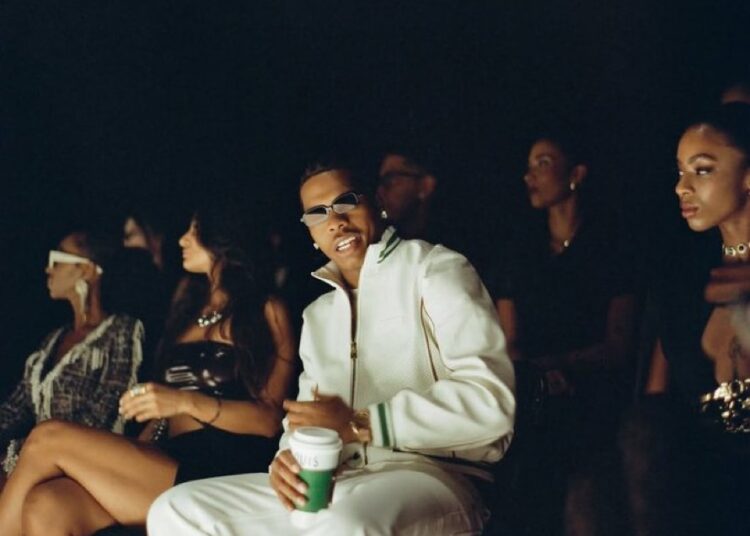
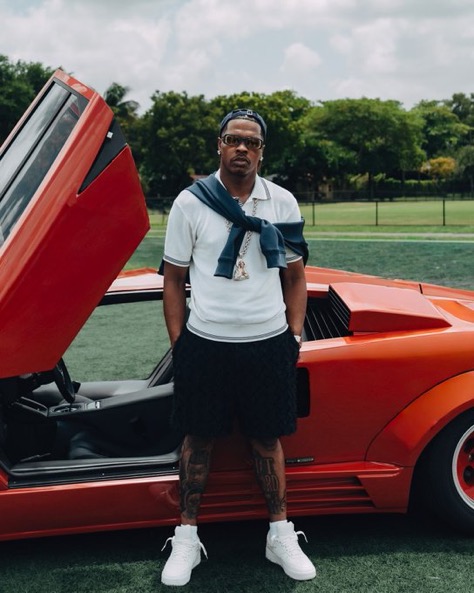
The video, shared widely on platforms like X by major hip-hop accounts including Kurrco, showcases a stylish, high-energy visual experience. Clips reveal Lil Baby in sleek white athletic wear and sunglasses rapping intensely in dim lighting, transitioning to bright outdoor scenes under blue skies where he sports a backward cap, yellow-tinted shades, and layered chains.
Dynamic shots include models in striking red outfits on green turf, an older woman posing confidently beside a yellow sports car with its hood open, and artistic elements like tennis balls arranged on a court. The production blends high-fashion aesthetics with playful, cinematic flair, reflecting the song’s upbeat and “fresh” vibe.
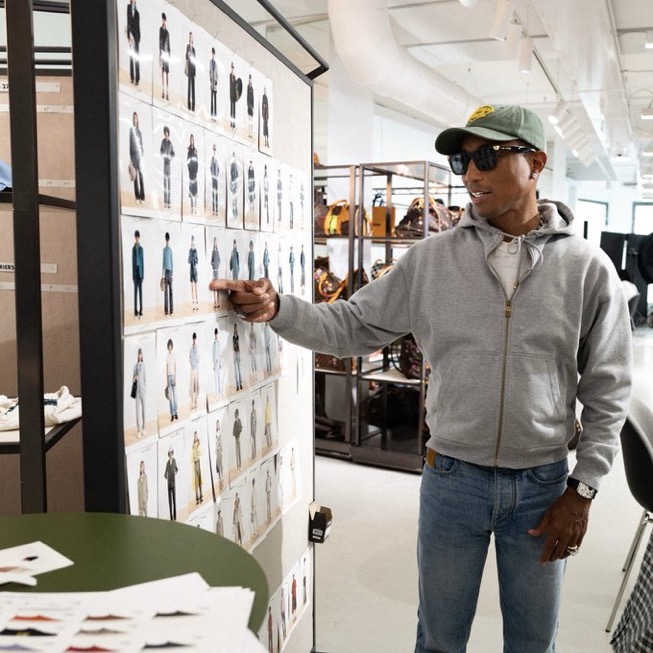
“Dead Fresh” first gained attention when Pharrell previewed it during the Louis Vuitton Men’s Spring/Summer 2027 show in Paris. The runway event, soundtracked by new music from artists including Quavo and NBA YoungBoy, turned the track into a cultural moment.
Pharrell’s production brings a textured, bouncy beat that stands out in today’s rap landscape-cinematic yet danceable, encouraging movement as the artist himself has suggested in related commentary. Lil Baby delivers sharp, focused bars over the instrumental, sounding reinvigorated and locked in.
Public Reaction
Fans and critics have responded positively to the collaboration. Many describe it as one of Lil Baby’s strongest releases in recent years, praising how Pharrell’s signature style complements the rapper’s flow without overshadowing it. Comments on social media highlight the “fresh sound” for Baby, noting evolution while appreciating his core appeal.
One reaction called it “actually really good,” while others defended the artistic growth against calls for a return to earlier, grittier material. The track quickly climbed charts, reaching No. 4 on global Apple Music and landing in the U.S. top 20 alongside Baby’s previous hits like “Freestyle” and “In A Minute.”
This release arrives at an interesting point in Lil Baby’s trajectory. Since breaking through with projects like My Turn and delivering hits that dominated streaming platforms, the Quality Control artist has balanced commercial success with artistic experimentation.
Collaborations with elite producers like Pharrell signal ambitions beyond standard trap fare.
The visual’s polished, fashion-forward direction echoing luxury brand ties further positions Baby in high-end cultural conversations.
Industry observers point to the video’s rapid circulation as evidence of sustained fan engagement. With nearly 6000 likes and hundreds of thousands of views on the announcement post alone within hours, “Dead Fresh” is poised for summer rotation.
The 2:38 track mixes boastful lyrics about staying “dead fresh” with clever wordplay, set against production that feels both nostalgic for Neptunes-era innovation and forward-looking.
Lil Baby’s team has not yet announced details on a full album project, but this single builds anticipation. Earlier previews and social teases suggested the song was in the works, with official visuals arriving swiftly after the audio drop.
The move mirrors successful strategies by peers who leverage short-form visuals and platform algorithms for maximum impact.
For longtime supporters, the release offers reassurance of Baby’s staying power. While some purists yearn for the raw hunger of his mixtape days, others celebrate this chapter as a natural maturation.
The visual elements-luxury cars, vibrant fashion, and confident performances reinforce themes of success and style that resonate with his audience.
As hip-hop continues shifting toward genre-blending and visual storytelling, “Dead Fresh” exemplifies the modern rollout. Pharrell’s involvement adds prestige, while Lil Baby’s execution keeps it grounded in Atlanta trap traditions.
Early metrics suggest strong streaming numbers and playlist placements, potentially extending the single’s chart run through the warmer months.
The broader music community watches closely. With peers like Future, Drake, and emerging voices constantly dropping material, Baby’s ability to cut through noise with a Pharrell-backed banger underscores his relevance.
In the video’s closing frames and across fan discussions, one message rings clear: Lil Baby remains a force, delivering freshness in both name and execution. As views climb and debates continue about artistic evolution versus nostalgia, “Dead Fresh” cements itself as a notable drop in 2026’s hip-hop calendar.
READ ALSO: AMA Commissions Two New Refuse Compactor Trucks for Accra