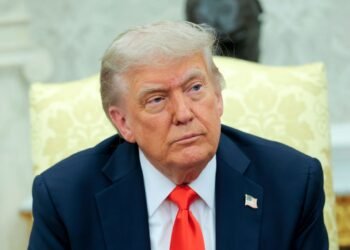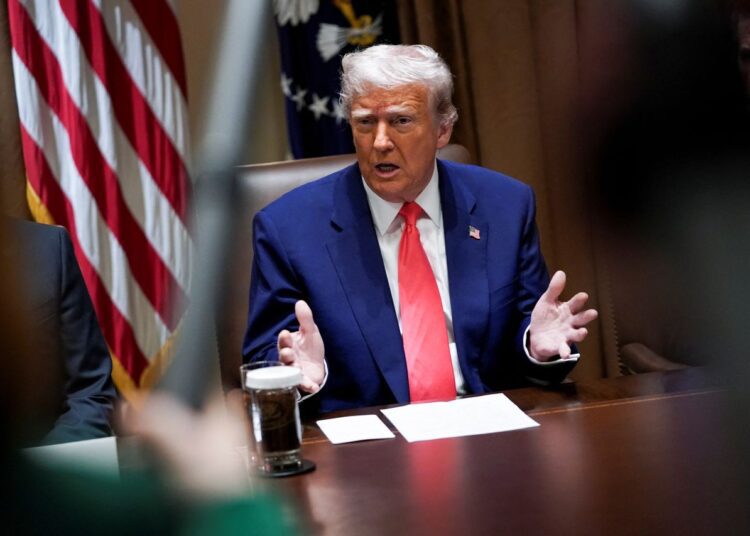
President Donald Trump has imposed 50% tariffs on most Canadian goods, a move said to be in response to “Canada’s discriminatory treatment of American products” such as autos, alcohol and dairy products.
The tariffs were imposed under Section 338 of the Tariff Act of 1930, an obscure Great Depression-era law that allows Presidents to impose tariffs up to 50% on countries deemed to be discriminating against U.S. goods.
The new 50% tariffs would exclude energy products, potash, fish and critical minerals, but they would include goods that had previously been protected from import taxes by the United States-Mexico-Canada Agreement, or USMCA. That 2020 trade pact was not renewed by the U.S., triggering a new set of negotiations that could run until 2036.
The White House said in a fact sheet that the tariffs would go into effect in 30 days, meaning there is time for negotiations as Trump has not always followed through on his announced tax hikes on imports.
It noted that by imposing the latest tariffs, Trump is “offsetting the burden and disadvantage on U.S. commerce from Canada’s discriminatory treatment of U.S. commerce and is leveling the playing field for crucial American exports—cars, alcohol, and dairy.”
“Over the past year and a half, only two countries have chosen to retaliate against President Trump’s tariffs rather than negotiate a deal with the United States: the People’s Republic of China and Canada.”
White House fact sheet
In a statement after the tariffs were announced, U.S. Trade Representative Jamieson Greer attacked the Canadian government.
“Canada, unlike other partners and allies, continues to retaliate against the United States for its efforts to rebalance trade and protect U.S. industry in national-security sensitive sectors…Specifically, Canada has taken U.S. alcohol products off Canadian shelves, given better market access to dairy products from the European Union, and has put a cap on U.S. vehicle exports to Canada from companies reshoring to the United States.”
Jamieson Greer
The new tariffs carry serious political and economic risks for Trump ahead of the November midterm elections for control of Congress. His “Liberation Day” tariffs last year in April provoked a financial market meltdown over concerns about inflation and a recession, prompting him to walk back the rates for a period of negotiation.

The Supreme Court ruled this February that Trump had lacked the legal authority to impose the tariffs by declaring an economic emergency, causing the administration to find alternative ways to raise import taxes based on a series of legal authorities.
The latest import taxes could worsen Trump’s weak ratings on the economy. He promised voters when running for the presidency that he would bring prices down, but the annual inflation rate has risen since he became president because the tariffs and the war in Iran are pushing up oil prices.
Canada Shows Willingness To Engage Over Tariffs Imposition
Meanwhile, Canada’s Prime Minister expressed readiness to negotiate on the tariffs.
Mark Carney’s statement noted that this was the latest in a series of unilateral actions taken by the U.S. which violated the United States–Mexico–Canada Agreement—which Trump helped negotiate during his first term.
In response to the White House’s comments about discrimination, the Canadian leader said his country has “merely matched” Trump’s earlier tariff on Canada’s auto sector.
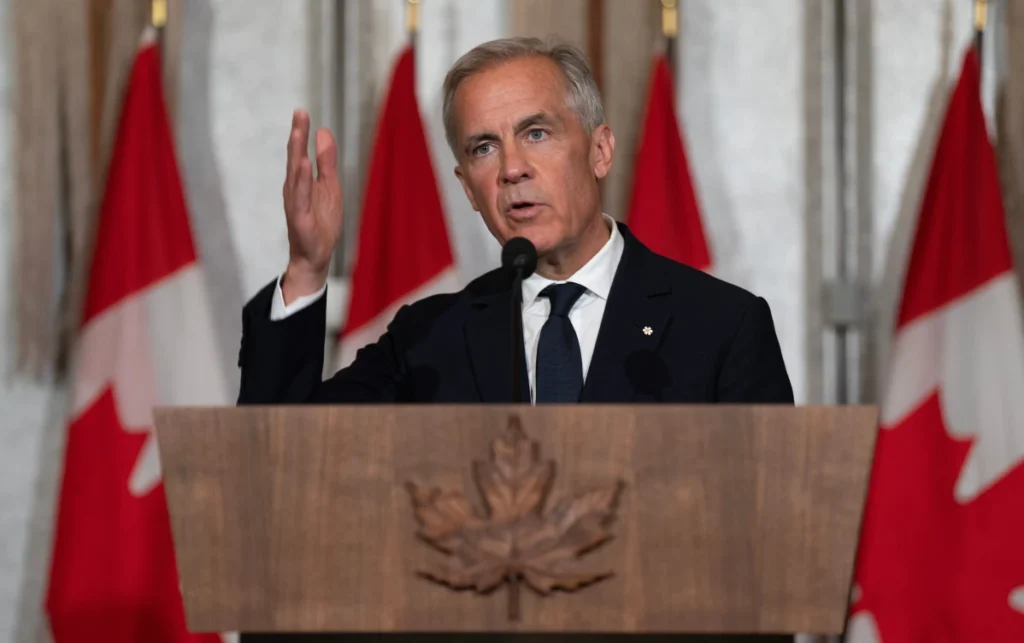
Carney stated that his government believes in the “benefits of free and fair trade,” having signed “more than 20 new economic and security partnerships.”
“Canada has made a series of detailed and comprehensive proposals to resolve this dispute and to modernize CUSMA. We stand ready to intensify those discussions in the coming weeks…This trade dispute has raised costs for families, particularly in the U.S.”
Mark Carney
Carney stopped short of threatening retaliatory tariffs and instead said his country is ready to “engage intensively to address outstanding issues with the U.S to the mutual benefit of our citizens.”
Candace Laing, CEO of the Canadian Chamber of Commerce, said the Trump administration’s moves were “regrettable” but the two countries need to use the 30-day window before the tariffs start “to make meaningful progress in advancing formal talks.”
Ontario Premier Doug Ford, who has called out Trump’s tariffs in the past, posted, “I’ll never stop fighting to protect Ontario.” He signaled a possible showdown ahead, saying, “If these tariffs proceed, Canada should respond tariff for tariff, dollar for dollar.”
READ ALSO: Original Koffee Announces Sophomore Album Release Scheduled for November 2026