
Fresh concerns over the proposed US$27 billion African Atlantic Gas Pipeline (AAGP) have added a new dimension to West Africa’s evolving gas conversation, with industry observers saying the debate reinforces why Ghana must continue prioritising domestic gas infrastructure, supply security and investment in its own energy sector, even as the region pursues ambitious cross-border energy projects.
The renewed discussion follows a caution from a Nigerian energy expert who has urged President Bola Ahmed Tinubu’s administration to reconsider the pace of the Nigeria-Morocco pipeline project, arguing that unresolved domestic gas infrastructure challenges and questions around commercial viability must be addressed before committing resources to one of Africa’s largest planned energy infrastructure developments.
Although Ghana is not currently identified as part of the AAGP route, developments surrounding the project remain relevant to the country’s energy outlook because they shape broader discussions around regional gas markets, infrastructure financing and West Africa’s ability to convert its significant natural gas resources into reliable energy supplies.
For Ghana, the debate presents an opportunity to reassess the balance between regional cooperation and domestic energy resilience.
Regional Gas Ambition Meets Financing Reality
The AAGP has been promoted as a transformational infrastructure project designed to transport natural gas from Nigeria through several West African coastal countries towards Morocco, with the potential to eventually connect African gas resources to international markets.
The project is viewed by supporters as a major step towards strengthening regional energy cooperation, improving gas accessibility and supporting industrial development across participating countries.
However, the latest concerns highlight the difficult realities associated with mega energy infrastructure.
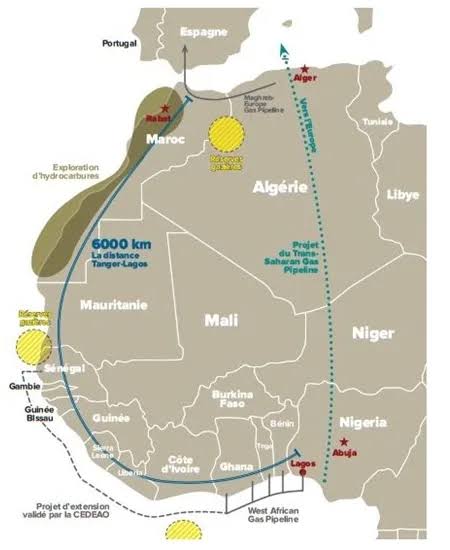
Large-scale pipelines require billions of dollars in investment, long-term commercial agreements, regulatory coordination among multiple countries and guaranteed demand to ensure financial sustainability.
A project of this scale must therefore move beyond political commitments and demonstrate a strong economic foundation.
The warning surrounding the AAGP reflects a broader challenge facing African energy infrastructure: ambitious projects must be supported by realistic financing models, strong institutions and clear commercial pathways to deliver lasting value.
The caution does not necessarily challenge the importance of regional gas integration.
Rather, it raises questions about whether countries are adequately prepared to support projects of such magnitude while managing competing energy priorities.
Why Ghana’s Domestic Gas Strategy Matters
For Ghana, the conversation comes at a time when natural gas remains central to the country’s electricity generation strategy.
Ghana has relied heavily on gas-fired thermal plants to complement hydroelectric power and improve grid stability.
The country’s gas infrastructure, including the Atuabo Gas Processing Plant and the West African Gas Pipeline connection, has played a critical role in supporting electricity generation and reducing dependence on more expensive liquid fuels.
However, Ghana’s experience with gas security has also exposed vulnerabilities.

Supply interruptions, infrastructure constraints and challenges within the wider energy sector have at various points affected the reliability of fuel availability for power generation.
As electricity demand continues to rise due to industrialisation, urbanisation and economic expansion, securing dependable gas supply remains a strategic priority.
This is why developments around regional gas projects such as the AAGP are important, even where Ghana is not a direct participant.
They influence the future structure of West Africa’s energy market and could determine how easily countries access additional gas resources in the coming decades.
Domestic Investment Cannot Be Replaced by Regional Projects
While regional cooperation offers opportunities, Ghana’s energy security cannot depend entirely on external infrastructure.
The country’s long-term resilience will depend largely on strengthening domestic production, expanding gas processing capacity and improving the efficiency of existing energy systems.
Recent efforts to increase offshore gas production and expand gas-to-power utilisation demonstrate Ghana’s continued reliance on domestic resources as the foundation of its energy strategy.
A regional pipeline could complement these efforts, but it cannot substitute for effective national planning.
The lesson from the AAGP debate is that countries must first ensure their own energy systems are financially and operationally sustainable before relying heavily on regional solutions.
Gas Remains Central to Africa’s Development Debate
Across Africa, natural gas continues to occupy a complicated position within the energy transition debate.
While global efforts are accelerating towards cleaner energy systems, many African countries argue that gas remains necessary to expand electricity access, support industries and provide reliable baseload power.

For Ghana, this argument has particular relevance.
The country is simultaneously pursuing renewable energy expansion while relying on natural gas to maintain grid reliability.
The challenge is therefore not choosing between gas and renewables, but developing a balanced energy mix that supports economic growth while preparing for a lower-carbon future.
Energy analysts have consistently noted that Africa’s challenge is not only the availability of resources but the infrastructure required to transform those resources into affordable and reliable energy.
A Strategic Moment for Ghana
The AAGP debate offers Ghana an important policy opportunity.
Rather than viewing regional pipeline developments only through the lens of potential benefits, the country can also draw lessons from the challenges associated with financing and implementing large energy projects.
Strong governance, transparent investment frameworks and commercially viable infrastructure will determine which countries benefit most from Africa’s emerging gas economy.
For Ghana, maintaining momentum in domestic gas development while remaining engaged in regional energy cooperation could provide the most balanced approach.
The country’s future energy security will depend on a combination of reliable domestic supply, strategic partnerships and investments that strengthen the overall resilience of the power sector.
Beyond the Pipeline Debate
The African Atlantic Gas Pipeline remains a significant symbol of West Africa’s ambition to build a more interconnected energy market.
However, the latest concerns surrounding the project serve as a reminder that energy transformation requires more than infrastructure announcements.
Projects must be financially sustainable, technically feasible and aligned with long-term national priorities.

For Ghana, the message is clear: regional integration remains valuable, but the foundation of energy security must continue to be built at home.
As West Africa navigates rising energy demand and the transition towards cleaner systems, Ghana’s ability to strengthen its domestic gas sector while participating strategically in regional initiatives will be critical to securing a reliable and affordable energy future.
READ MORE: Ghana Loses GH₵56,000 Per Laboratory to Reagent Stockouts