More than nine out of every ten Ghanaians living with hepatitis B are unaware of their infection, according to Dr. David Nortey, Head of Clinical Governance and Audit at Korle-Bu Teaching Hospital and Founder and CEO of Optimum Medical Centre, who is warning that the silent nature of the disease is fuelling its continued spread across the country.
Speaking in an interview with Vaultz News, Dr. Nortey described viral hepatitis as a major public health concern in Ghana, one of several countries in the West African sub-region considered highly endemic for the disease, and called for stronger national efforts around awareness, screening and treatment access to curb its long-term toll on the population.
Dr. Nortey painted a sobering picture of just how widespread undiagnosed hepatitis B infection is in Ghana, citing figures that suggest millions of citizens may be unknowingly living with the virus.
“The prevalence of hepatitis B is around 8 to 12%, meaning that for every 100 people, you have about eight who have hepatitis B, and out of this number, only about 10% may know they have it, this translates to about 2.7 to 4 million Ghanaians.”
Dr. David Nortey
He explained that hepatitis B typically progresses as a chronic, largely symptomless condition, meaning most carriers go years, sometimes a lifetime, without realising they are infected, a gap he said allows the virus to continue circulating quietly within families and communities.
Mother-to-Child Transmission a Leading Cause
According to Dr. Nortey, a significant share of hepatitis B cases in Ghana can be traced back to transmission from mother to child during childbirth, a pattern he said often reveals itself when entire families test positive for the virus.
He noted that this mode of transmission explains why hepatitis B frequently clusters within households, with children inheriting the infection from mothers who themselves may have been unaware of their own status.
He said the risk of mother-to-child transmission can be dramatically reduced through proper antenatal protocols, including timely testing and medication for pregnant women found to be hepatitis B positive, provided they deliver at facilities equipped to manage such cases appropriately.
Beyond mother-to-child transmission, Dr. Nortey identified unprotected sexual intercourse as another major route through which the virus spreads, comparing its transmission dynamics to those of HIV. He said individuals without immunity who engage in unprotected sex with an infected partner carrying a high viral load face significant risk of contracting the disease.
He noted that transmission through blood transfusion has become increasingly rare in Ghana due to rigorous screening protocols now applied to donated blood, shifting attention instead to less regulated risk factors such as the sharing of sharp objects and certain traditional practices involving skin-cutting rituals performed with poorly sterilised instruments.
Awareness as the First Line of Defence
Dr. Nortey was emphatic that public education remains the most powerful tool available in the fight against hepatitis B, arguing that widespread ignorance of infection status is precisely what allows the virus to continue spreading undetected across the population.
“There is always a need for us to do a lot of education. Some even believe that there should be a policy that will make it mandatory for anybody who comes into contact with a health facility to be tested for hepatitis B.”
Dr. David Nortey
He said routine testing at points of healthcare contact could help close the diagnostic gap significantly, catching infections early enough to allow for proper monitoring and intervention before complications set in.

While hepatitis B cannot currently be cured, Dr. Nortey stressed that it is manageable, with modern antiviral medications capable of suppressing the virus and significantly reducing the risk of progression to more severe liver disease.
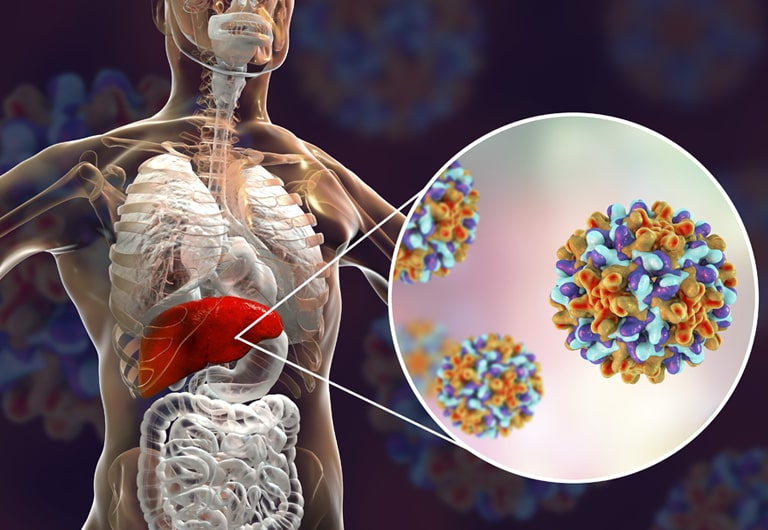
He explained that untreated or poorly managed infections can lead to cirrhosis, a hardening of the liver that impairs its ability to detoxify the body, regulate blood sugar and produce essential proteins, and in the worst cases, progress to liver cancer, which he described as carrying a grim prognosis once diagnosed.
He proposed that Ghana adopt a national slogan encouraging citizens to “know your hepatitis status,” framing widespread screening as a way to empower people either to seek early treatment or to confirm their negative status and take informed precautions going forward.
Dr. Nortey was candid about the financial burden associated with managing hepatitis B, explaining that beyond the cost of medication, patients require periodic liver scans, liver function tests and viral load assessments to determine their eligibility for treatment and monitor disease progression. He said these diagnostic tests, rather than the medication alone, often represent the more significant financial barrier for patients.
Lifestyle Precautions for Those Diagnosed
For individuals already living with hepatitis B, Dr. Nortey advised strict lifestyle discipline to protect liver function, cautioning against excessive alcohol consumption, the use of unregulated herbal preparations, and self-medication without a doctor’s guidance.
He explained that the liver, already under strain from an active hepatitis B infection, becomes especially vulnerable to further damage from substances that require hepatic processing.
He extended this caution beyond hepatitis B patients alone, urging all Ghanaians to exercise greater discipline in what they consume, noting that the ease with which people obtain unprescribed medications from pharmacies poses a broader public health risk independent of hepatitis status.
Dr. Nortey’s remarks point to a disease that, despite decades of vaccination efforts including its inclusion in Ghana’s childhood immunisation schedule, continues to affect a substantial share of the population largely undetected.
His call for expanded screening, sustained public education and more affordable access to treatment and monitoring reflects a broader appeal for Ghana to intensify its response to a disease he believes remains dangerously underestimated, given both its silent progression and its potentially fatal long-term complications.
READ MORE: Poll Projects Ato Forson, Asiedu Nketia Defeating Bawumia in 2028