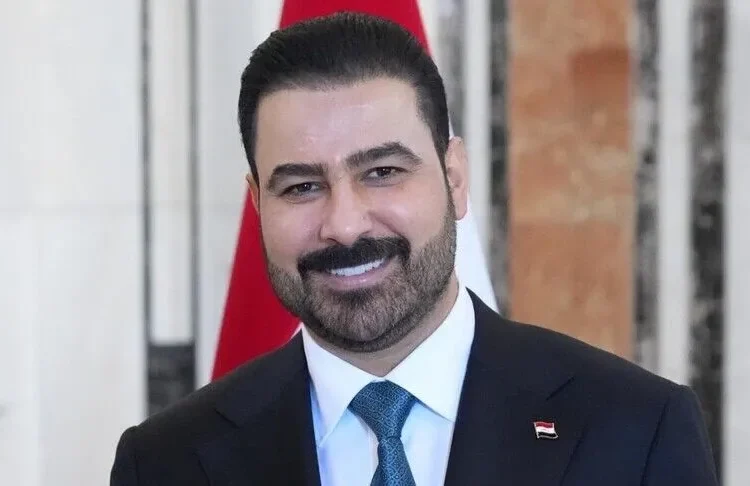
Iraqi Prime Minister Ali al-Zaidi arrived in Ankara today for high-level talks with Turkish President Recep Tayyip Erdogan and other senior officials, as the two neighboring countries seek to strengthen cooperation on various issues amid shifting regional dynamics.
The visit marks one of al-Zaidi’s first major diplomatic engagements since taking office and comes shortly after his trips to Washington and Tehran, underscoring Iraq’s efforts to maintain balanced relations with key regional and international partners.
Officials said that the discussions are expected to focus on a broad range of strategic issues, including plans to develop a new oil pipeline linking Iraq to Turkey. The proposed project is intended to reduce Iraq’s reliance on export routes exposed to instability and security risks in the Gulf region while enhancing the country’s energy export capacity. The talks will also focus on security, trade, energy, transportation.
Al-Zaidi disclosed on social media that he will discuss bilateral cooperation in investment, water resources, regional security and major infrastructure projects during his first official visit to Türkiye since taking office in May.
Al-Zaidi said that the visit comes upon an invitation from Turkish President Recep Tayyip Erdogan and is intended “to further develop the political and economic relations between the two countries.” “History, geography, culture, shared interests, and everything bring us together with Türkiye,” the Iraqi Prime Minister said.
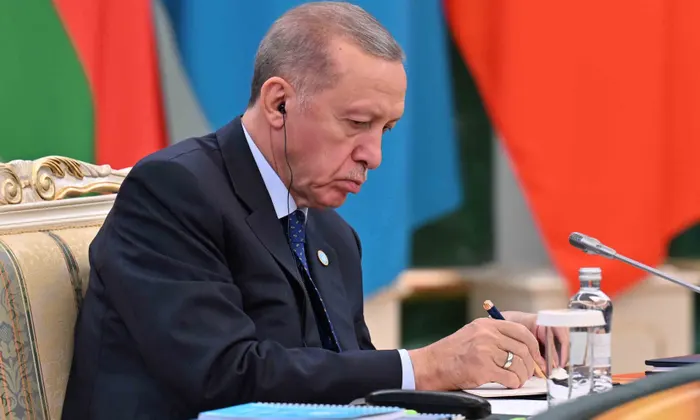
He said that the talks will focus on investment, water and transportation development routes and efforts to strengthen stability in the region. Al-Zaidi added that the two sides will also discuss launching “a number of economic and security dossiers, in a way that contributes to achieving mutual benefits for both friendly peoples.”
Following al-Zaidi’s talks with U.S. President Donald Trump earlier this month, U.S. companies signed roughly $60 billion in agreements and partnerships with the Iraqi government, including deals intended to create alternative routes for shipping oil out of the Persian Gulf. One project under consideration is a pipeline that would connect southern Iraq’s Basra to western Iraq’s Haditha and from there to the Ceyhan port in Turkey and the port of Baniyas on Syria’s coast.
Security cooperation remains another key priority as the visit comes as Turkey is engaged in talks to end a decades-long conflict with the militant Kurdistan Workers’ Party, or PKK, whose fighters are largely based in northern Iraq.
Last year, the PKK announced that it was laying down arms and disbanding as part of the efforts.Turkey is scheduled to enact legislation to help advance the peace effort, which is expected to include a limited amnesty that could allow some militants’ return to Turkey.The PKK has waged an armed insurgency since 1984, which has claimed tens of thousands of lives. It’s designated a terrorist organization by Turkey, the United States and the European Union.
The visit also highlights Iraq’s broader diplomatic strategy under Prime Minister al-Zaidi. By visiting Washington, Tehran and now Ankara within a relatively short period, the Iraqi leader appears to be signaling Baghdad’s intention to engage constructively with multiple partners while pursuing policies aimed at advancing national interests and regional cooperation.
Regional analysts say Iraq occupies a strategically important position in the Middle East, maintaining relations with neighboring countries while also working closely with the United States and other international partners. As a result, Baghdad often seeks to balance competing regional interests through diplomacy and economic engagement. Although no major agreements had been announced before the meetings began, officials from both countries expressed optimism that the discussions would deepen cooperation across several sectors.
Iraqi Premier To Visit Saudi Arabia
Al-Zaidi is expected to travel to Saudi Arabia on Thursday, at a time of heightened tensions after the kingdom alleged that Iran-backed Iraqi militias launched drone attacks against it.
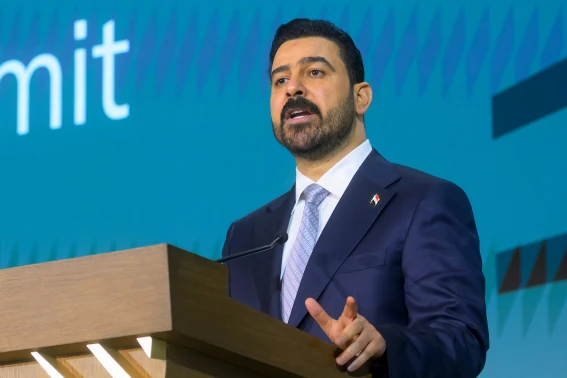
On Monday, al-Zaidi ordered security agencies to investigate the alleged drone attacks on Saudi Arabia, the Iraqi military said in a statement, adding that Iraq is committed to “preventing Iraqi territory from being used as a route or launching point for any attack targeting brotherly or friendly countries.”
The militias have denied any role in the attack. The Islamic Resistance in Iraq, an umbrella group of Iran-backed armed groups, in a statement called the Saudi accusations “fabrications” and an “attempt to justify their inability to respond to the painful Yemeni strikes that have targeted the heart of their infrastructure,” implying that the attacks were carried out by Yemen’s Iran-backed Houthi rebels.
The militias added that “any foolish Saudi action will be met with a harsh response that will leave them biting their fingers in regret.”
Al-Zaidi has pledged to disarm non-state armed groups in Iraq by the end of September, a deadline that is likely challenging to meet, particularly since some of the most powerful militias have said they will not lay down their weapons.
READ ALSO: Wildfire Forces New Evacuations Along France’s Atlantic Coast